Laser Rust Removal for Shipyards &heavy industry rust cleaning
Discover how laser rust removal enhances efficiency and safety in shipyards and heavy industrial applications. Explore advanced techniques for steel structure rust removal and heavy industry rust cleaning.
4/5/20265 min read
Understanding the Need for Rust Removal in Heavy Industries
Rust removal in heavy industries such as shipbuilding, steel construction, and infrastructure maintenance is a constant challenge. Large metal surfaces are exposed to harsh environments, leading to corrosion that must be addressed regularly to ensure safety and performance.
In addition to safety risks, rust has substantial financial implications. The presence of rust on steel structures increases maintenance costs significantly, as continual repairs and conservation efforts are required to mitigate corrosion and maintain operational functionality. As rust spreads, it weakens steel components, potentially necessitating replacements or extensive repairs that can result in unexpected capital expenditures. Therefore, a proactive approach to rust removal can reduce long-term costs by prolonging the life of steel assets.
Traditionally, rust removal in these industries relies on sandblasting, grinding, or chemical treatments. While effective, these methods are labor-intensive, messy, and often difficult to control, especially on large structures.
Laser rust removal offers a different approach. Instead of physically impacting the surface, it uses a high-energy beam to break down and remove rust layers. This non-contact method provides greater control and reduces the risk of damaging the underlying metal.
Operational efficiency is severely impacted by rust as well. Corroded equipment can malfunction, leading to decreased productivity and increased downtime. In heavy industries where efficiency directly correlates with profitability, minimizing equipment failure is paramount. The existence of rust not only hampers the performance of machinery but can also disrupt the entire workflow of a shipyard, causing delays and lost revenue. Thus, addressing rust through effective removal solutions is essential for maintaining smooth operations.
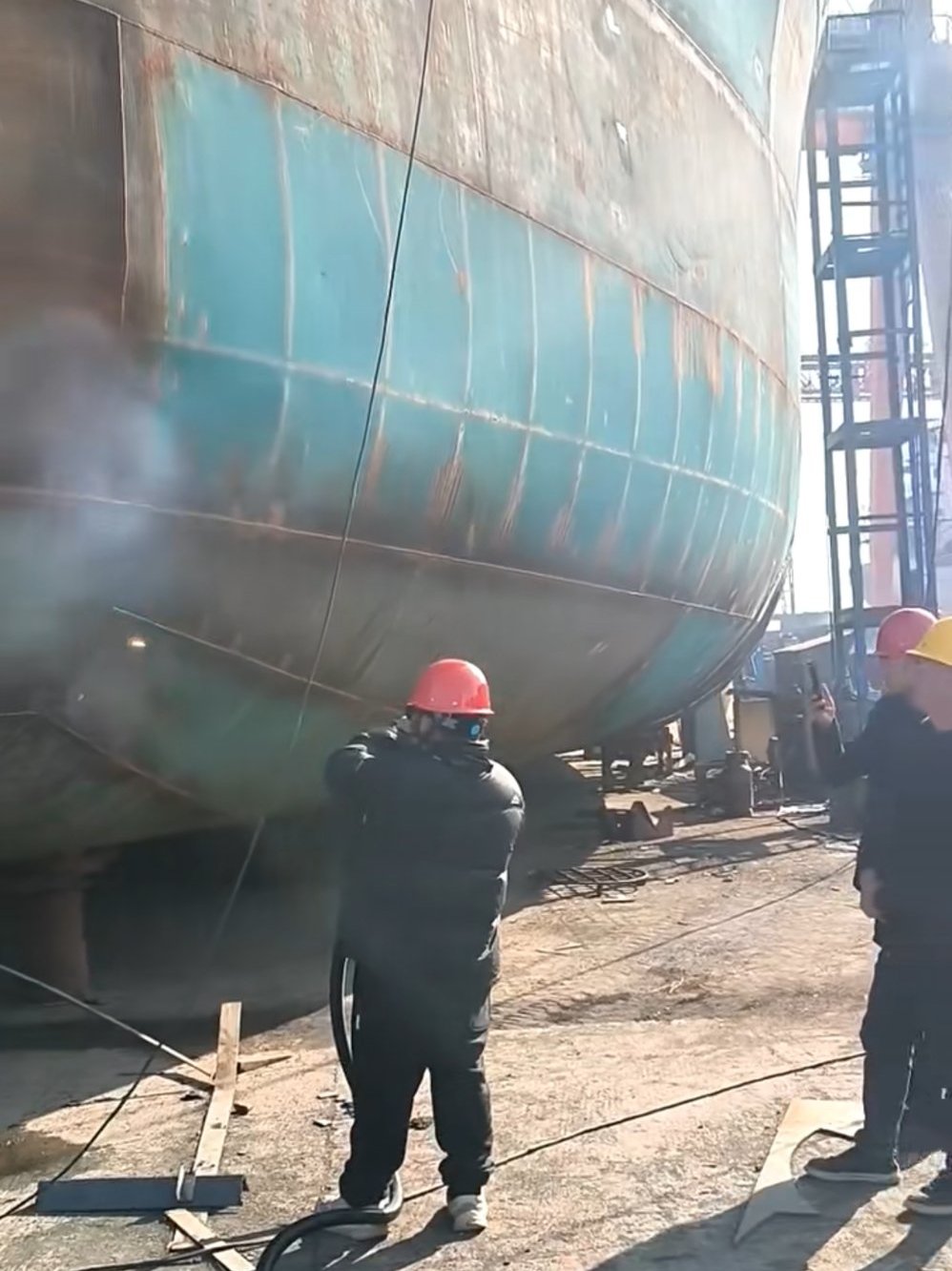
In shipyards, for example, maintenance work often needs to be carried out on-site. Large vessels cannot always be moved into controlled environments. Portable laser systems allow operators to work directly on the structure, reducing the need for disassembly or transportation.
Safety is another important factor. Sandblasting generates dust and requires protective measures to prevent inhalation and environmental contamination. Laser rust removal significantly reduces airborne particles, creating a safer working environment.
Moreover, the longevity of equipment is adversely affected by rust accumulation. Regular maintenance regimes that include effective rust removal can enhance the durability of machinery and equipment, reducing replacement frequency and associated costs. Therefore, it is evident that integrating a robust rust management plan, including laser rust removal technologies, is crucial for heavy industries to safeguard against the multifaceted impacts of rust.
Overview of Laser Rust Removal Technology
Laser rust removal technology represents a revolutionary advancement in the field of surface cleaning and maintenance, particularly within shipyards and heavy industry. This method utilizes the principle of laser ablation, where concentrated laser beams are employed to remove rust and contaminants from various surfaces without causing damage to the underlying material. The laser works by delivering focused energy that vaporizes the rust or debris, effectively breaking down the bonds that hold these unwanted materials to the surface.
There are several types of lasers used in this technology, including fiber lasers and CO2 lasers, each with distinct advantages tailored to specific applications. Fiber lasers, for example, are known for their efficiency and ability to precisely target materials, making them suitable for intricate and detailed cleaning tasks. On the other hand, CO2 lasers are better suited for broader applications, providing effective cleaning on larger surface areas with minimal risk of damage.
One of the significant advantages of laser rust removal over traditional methods, such as sandblasting or chemical stripping, is its precision and control. Laser technology can clean surfaces without the need for abrasive materials, which often lead to wear and tear or unwanted alterations of the substrate. This precision also enhances safety, as it minimizes the risk of inhaling harmful dust or exposing the environment to toxic residues. Moreover, from an environmental perspective, laser rust removal drastically reduces waste generation and eliminates the necessity for harsh chemicals, making it a sustainable alternative for heavy industries.
Overall, the adoption of laser rust removal technology not only optimizes the cleaning process but also aligns with contemporary standards for environmental responsibility and occupational safety, making it a practical approach for industrial applications.
Implementation of Laser Rust Removal in Shipyards
Implementing laser rust removal technology in shipyards requires a systematic approach to ensure both efficiency and safety. The first step involves selecting the appropriate laser equipment, which is essential for effective rust removal. Typically, fiber lasers or solid-state lasers are preferred due to their precision and the ability to remove rust without damaging the underlying material.
Next, training operators is crucial. Those responsible for handling the laser equipment must undergo comprehensive training. This includes understanding the operational mechanics of the lasers, safety protocols, and the specific techniques for effective rust removal. Operators should also be familiar with maintaining the equipment, as regular upkeep is vital for optimal performance.
Integration with existing maintenance protocols is another critical aspect. Shipyards often have established procedures for maintenance and repair, and adding laser rust removal to these protocols should be seamless. This may involve modifying existing schedules to accommodate the speed of laser applications, which can significantly reduce downtime during maintenance. For instance, incorporating laser services into dry dock processes can enhance productivity while simultaneously maintaining high safety standards.
Case studies illustrate the successful implementation of this technology. In a noted shipyard, the introduction of laser rust removal resulted in a 40% increase in operational efficiency. Rust removal previously required extensive labor hours, using traditional methods that often left behind residue. With lasers, the process became quicker and cleaner, leading to considerable labor cost savings and minimizing the need for rework. Additionally, adopting this technology contributed to extended asset life cycle by effectively protecting surfaces from further corrosion.
In summary, the effective implementation of laser rust removal involves selecting the right equipment, training personnel, and integrating the method into established maintenance protocols. The benefits are evident not only in efficiency and cost savings but also in the overall enhancement of the shipyard's operational capability.
Comparative Analysis: Laser Rust Removal vs. Traditional Methods
Efficiency is also improved. Since there is no need for abrasive materials, setup and cleanup time are reduced. Operators can focus on the task without constantly managing consumables.
Rust removal is a crucial process in shipyards and heavy industries aimed at maintaining the integrity and appearance of metal surfaces. Two prominent approaches exist for rust removal: laser rust removal and traditional methods such as sandblasting and chemical treatments. Each technique possesses distinct advantages and disadvantages based on various operational parameters.
Laser rust removal, a modern approach, employs focused laser beams to effectively vaporize rust without damaging the underlying metal. One of its primary advantages is precision, allowing for targeted treatment in intricate areas without the risk of contamination. Additionally, laser systems require less physical labor, as they often require fewer personnel compared to traditional methods. The operational costs, while initially higher due to equipment investment, may be offset by the reduction of cleanup time and disposal costs associated with residual abrasive materials.
In contrast, traditional rust removal methods have long been utilized and include techniques such as sandblasting and chemical treatments. Sandblasting is known for its effectiveness in treating large surfaces quickly; however, it generates substantial dust and debris, requiring extensive protective measures and cleanup efforts. On the other hand, chemical rust removers can be effective but may pose environmental risks and necessitate careful handling due to their toxicity.
When evaluating the safety aspects, laser rust removal presents fewer risks of inhalation or exposure to harmful substances, which are prevalent in traditional methods. However, the skill level required to operate laser systems may be higher, necessitating appropriate training for personnel. Therefore, when deciding on the appropriate rust removal technique, it is essential to consider the specific operational requirements, budget constraints, and safety regulations to select the most effective method for its intended use.
However, it is important to recognize the limitations. For very large surfaces with heavy rust, traditional methods may still be faster in certain cases. Laser systems are often used for targeted cleaning, maintenance, and finishing work.
In conclusion, laser rust removal is not a universal replacement, but a valuable addition to existing processes. For heavy industries looking to improve safety, precision, and environmental compliance, it offers a practical solution.