Compare 1500W, 2000W, & 3000W Handheld Laser Welders
Discover how to choose the right handheld laser welder for your business. Compare the features of handheld laser welders and benefits of 1500W, 2000W, and 3000W models to make an informed decision.
3/29/20265 min read
Understanding Handheld Laser Welders
Selecting the right power level is one of the most important decisions when purchasing a handheld laser welding machine.
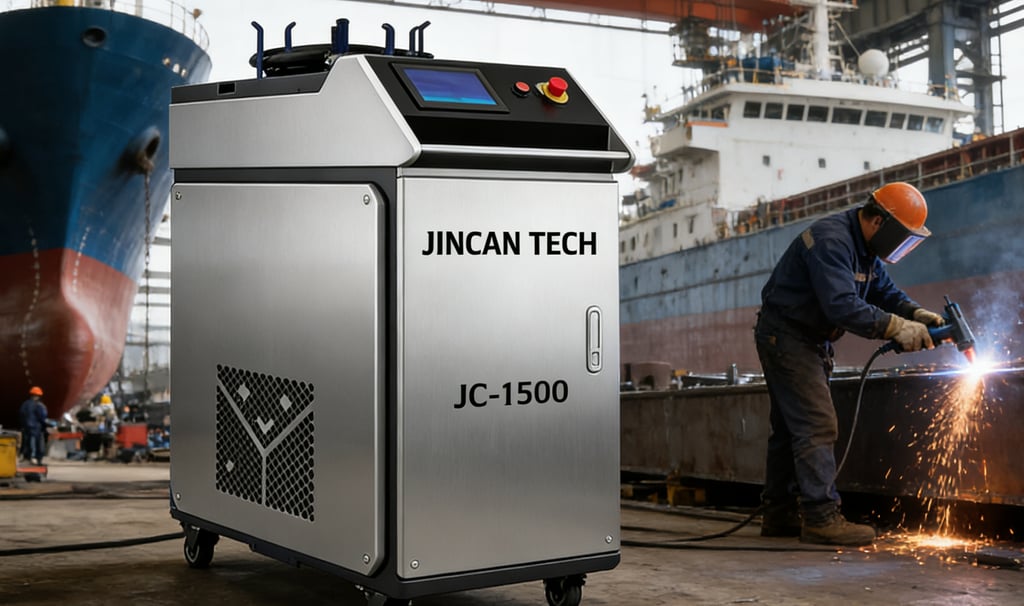
Handheld laser welders are innovative devices that utilize focused laser beams to join materials, primarily metals, with exceptional precision and speed. These welders are distinguished by their portability which allows operators to work on-site, increasing efficiency across various applications. They function by emitting a concentrated beam of light that generates a high-temperature point, melting the materials and allowing them to fuse upon cooling. This method is characterized by its cleanliness and minimal distortion, making it an ideal choice for several industries.
In essence, a handheld laser welder is comprised of several key components including a laser source, a focusing lens, and a control system. The power supply generates energy that fuels the laser source, typically a fiber laser, which produces a concentrated beam. The focusing lens directs this beam to the desired point on the workpiece, ensuring that the energy is precisely concentrated where it is needed most. Additionally, modern handheld laser welders often feature integrated cooling systems that maintain optimal performance and longevity of the device.
The versatility of handheld laser welders allows them to be employed in various industries, including automotive, manufacturing, and construction. They are particularly effective for applications such as repair work, joining thin-walled materials, and even intricate detailing. The adaptability of these tools means they can be used on multiple material types, including stainless steel, aluminum, and brass, broadening their appeal in market sectors focused on efficiency and quality.
As industries increasingly shift towards automation and faster production cycles, understanding the technology and functionality of handheld laser welders becomes crucial. Their ability to produce high-quality welds while minimizing heat-affected zones and maintaining the integrity of adjoining materials showcases their importance in contemporary fabrication practices.
Comparative Analysis of 1500W, 2000W, and 3000W Laser Welders
When selecting a handheld laser welder, understanding the differences between 1500W, 2000W, and 3000W models is crucial. Each wattage level comes with unique advantages and is better suited to specific applications.
The 1500W laser welder is primarily ideal for light-duty jobs. It is well-suited for smaller projects, particularly involving thin sheets of metal, such as stainless steel or aluminum, where precision welding is essential. Its power is adequate for tacking and simple joinery, making it an economical choice for hobbyists or small-scale applications. However, its limitations include slower welding speed and the inability to penetrate thicker materials effectively.
On the other hand, the 2000W laser welder offers a substantial upgrade in versatility and efficiency. This wattage can handle a wider range of materials and thicknesses, including medium-gauge metals. It strikes a balance between speed and control, allowing users to achieve cleaner, deeper welds without excessive heat distortion. The 2000W option is often preferred by small manufacturers or workshops that handle a variety of projects, as it offers a blend of performance and affordability.
Lastly, the 3000W laser welder is designed for heavy-duty applications. This powerful tool is capable of welding thicker materials and delivering faster processing speeds, making it suitable for industrial uses and larger fabrication tasks. It excels in offering strong penetration and can tackle demanding projects such as automotive repair or structural fabrications. Nevertheless, the higher wattage also comes with increased operational costs and may be excessive for users with lighter welding requirements.
In conclusion, choosing between 1500W, 2000W, and 3000W laser welders primarily depends on the specific needs of the task at hand, including materials, thickness, and required weld quality. Each option has distinct characteristics that influence performance, making it essential to assess these factors before making a purchase decision.
Factors to Consider When Choosing a Handheld Laser Welder
Laser power determines:
Welding thickness
Speed
Stability
When selecting a handheld laser welder, several critical factors must be considered to ensure that the tool meets your specific needs. Material compatibility is one of the foremost considerations. Different handheld laser welders perform best with certain materials, such as steel, aluminum, or plastics. Understanding the types of materials you will work with can help guide your choice.
Power requirements are also essential in this decision. Handheld laser welders are commonly available in various power outputs, including 1500W, 2000W, and 3000W. Higher power levels often provide faster welding speeds and deeper penetration, which can be advantageous, especially for thicker materials. However, it is crucial to align the power rating with the project requirements to avoid excessive heat generation, which could potentially damage the materials being welded.
The duty cycle is another significant factor. This metric indicates the length of time the welder can operate in a given period before requiring a cooldown. Choosing a device with an appropriate duty cycle is vital, particularly for high-volume tasks. If you anticipate frequent, prolonged use, a welder with a higher duty cycle would be more beneficial.
Your budget plays a practical role in the selection process. Handheld laser welders vary considerably in pricing depending on features and specifications. Establishing a budget range helps narrow the options while ensuring that you invest in a quality product that offers the right balance between capabilities and cost.
Additional features in handheld laser welders can further enhance the welding experience. Consider aspects like portability, which may be essential for mobile applications, and ease of use, especially if the operator is less experienced. Accessories, such as safety gear and additional lenses, can improve functionality and safety.
Conclusion: Making the Right Choice for Your Welding Needs
Power Comparison
1500W
Thin materials (0.5–3mm)
Lower cost
Ideal for beginners
2000W
Most popular
1–5mm materials
Balanced performance
3000W
Heavy-duty
6–8mm materials
Industrial use
Choosing the appropriate handheld laser welder is a critical decision that can significantly impact the outcomes of your projects. Throughout this discussion, we have explored various factors, including the distinct capabilities of 1500W, 2000W, and 3000W systems, to help guide your decision-making process. Each of these power levels offers unique advantages that cater to different welding requirements.
The 1500W handheld laser welder is ideal for light to moderate welding tasks and is preferable for projects requiring precision without extensive power consumption. In contrast, a 2000W model provides a balanced option suitable for a wider variety of applications, offering enhanced speed and efficiency for heavier materials or thicker metals. Lastly, the 3000W variant serves specialized needs where maximum power is paramount, allowing for deep penetration and faster processing times.
When considering your choice, it is essential to evaluate the materials you will be working with, the thickness of those materials, and the specific welding tasks you plan to undertake. Additionally, assessing factors such as portability, user-friendliness, and cost-effectiveness is vital as well. A comprehensive understanding of these aspects will ensure that you align your needs with the right handheld laser welding machine.
In summary, making an informed decision about the suitable handheld laser welder requires careful consideration of your specific welding needs and project demands. By weighing the features of each wattage level, you can select the machine that not only fits your current requirements but also accommodates future projects. Investing in the right welder will enhance both the quality and efficiency of your work.
Application Matching
Small workshops → 1500W
Fabrication factories → 2000W
Heavy industry → 3000W
Cost Strategy
Start small, upgrade later
Avoid over-investment
Common Mistakes
Underestimating future demand
Ignoring material thickness
Best Recommendation
2000W is the best-selling model globally due to versatility.
Conclusion
Choose based on your production needs—not just price.