Laser Cleaning vs Sandblasting: Cost & Efficiency
Explore the differences between laser cleaning and sandblasting in terms of cost, efficiency, and environmental impact for industrial surface treatment. Discover which method is best for your needs.
PROGRESS
3/30/20265 min read
Introduction to Surface Cleaning Technologies
Surface preparation plays a critical role in manufacturing, maintenance, and refurbishment processes. Traditionally, sandblasting has been the dominant method for removing rust, paint, and contaminants. However, laser cleaning machines are now gaining attention as a cleaner and more precise alternative.
Surface cleaning technologies have become an essential component in various industrial applications, ensuring the maintenance of equipment and products. Effective cleaning methods not only enhance the functionality of machinery but also significantly extend their lifespan. Among the numerous techniques available, laser cleaning machines and sandblasting are two prominent methods utilized for surface preparation.
Historically, sandblasting emerged in the late 19th century as a method of surface cleaning that employs abrasive materials propelled at high velocities to remove unwanted contaminants. This technique gained popularity due to its ability to efficiently clean surfaces, strip paint, and prepare metals for welding or coating. However, the environmental and safety concerns related to dust emissions and the potential exposure to hazardous materials have prompted the search for safer and more efficient alternatives.
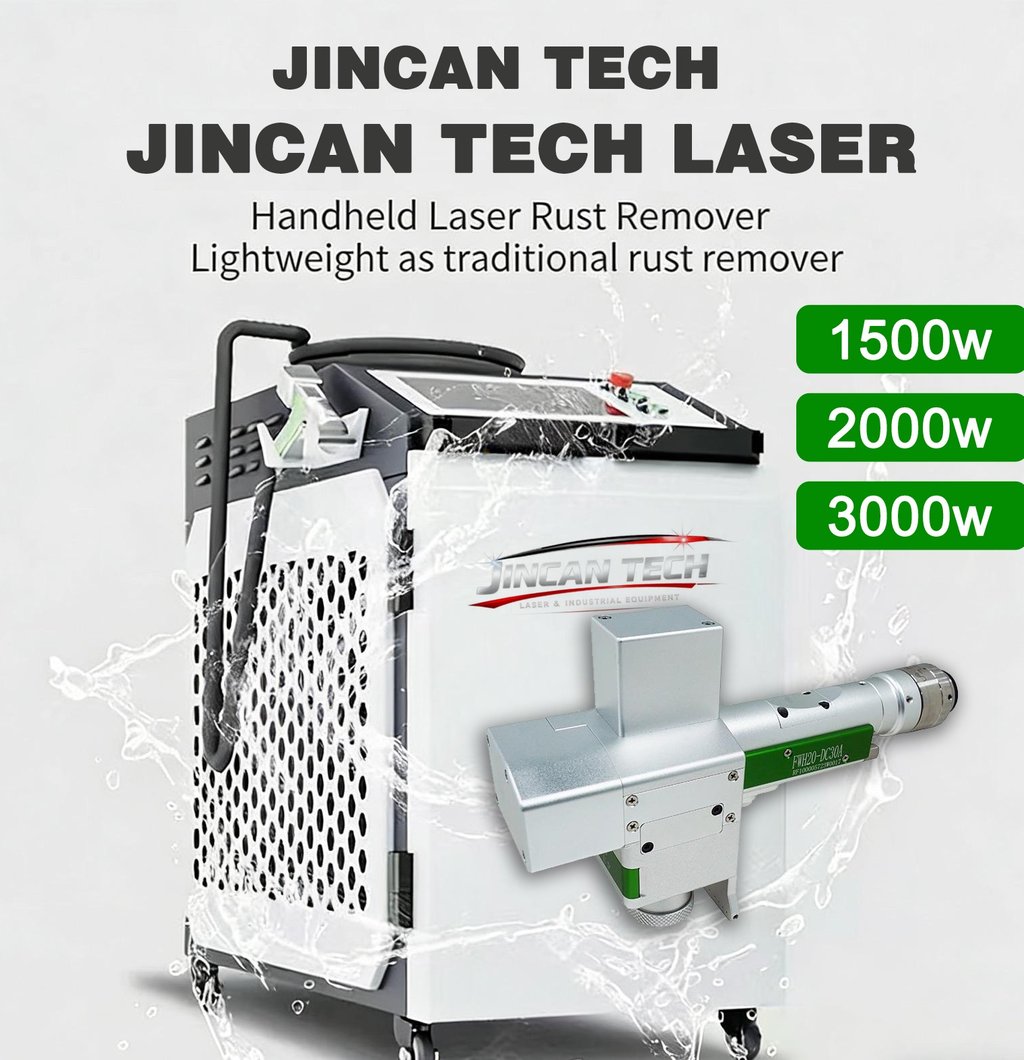
Laser cleaning technology, comparatively newer, has gained traction in recent decades. Utilizing focused laser beams to remove contaminants such as rust, paint, or residue, this method offers several advantages over traditional techniques. Laser cleaning machines operate with a low environmental impact, as they produce minimal waste and do not require chemical solvents. Additionally, this technology allows for precise control over the cleaning process, making it suitable for delicate surfaces or intricate components.
As industrial needs evolve, so does the demand for advanced surface cleaning solutions. The comparison between laser cleaning machines and sandblasting highlights the strengths and weaknesses of each method, influencing the choice of technology based on specific cleaning requirements, operational efficiency, and environmental considerations. In navigating these options, businesses are better equipped to maintain high standards of cleanliness in their applications.
Overview of Laser Cleaning Machines
Sandblasting works by propelling abrasive materials at high speed to remove surface impurities. While effective, it generates dust, requires consumables, and may damage the substrate if not carefully controlled. In contrast, laser cleaning uses a focused beam to vaporize contaminants without physical contact.
Laser cleaning machines utilize advanced technology to effectively remove contaminants such as rust, paint, and other unwanted residues from various surfaces. This process is achieved through the emission of high-intensity laser beams that target specific materials. The energy from the lasers is absorbed by the contaminants, leading to their rapid vaporization or disintegration. As a result, surfaces can be restored without causing damage, making laser cleaning an appealing option for industrial use.
One of the significant advantages of laser cleaning is its precision. The focused nature of the laser allows for selective cleaning, enabling operators to remove only the unwanted materials while preserving the integrity of the underlying substrate. This precision is particularly beneficial in environments where surface condition is critical, such as in the restoration of historical artifacts or in settings requiring high-quality finishes.
In addition to precision, laser cleaning machines offer efficiency. The process is generally faster than traditional methods, such as sandblasting, reducing operational downtime. Furthermore, it minimizes the need for additional cleaning agents or chemicals, making it an environmentally friendly option. As laser cleaning technology continues to advance, devices are becoming more portable and user-friendly, extending their applicability across various sectors.
However, it is essential to consider some limitations. The initial costs of purchasing laser cleaning machines can be relatively high compared to traditional cleaning methods, which may deter some businesses. Additionally, while they are effective for many applications, certain challenging materials or contaminations may still necessitate the use of sandblasting or similar methods. Overall, laser cleaning machines stand out as a sophisticated, efficient, and eco-friendly alternative to more conventional cleaning techniques in industrial settings.
Understanding Sandblasting Techniques
Sandblasting, also known as abrasive blasting, is a widely used technique in various industrial applications for surface preparation and cleaning. This method involves propelling abrasive materials, often referred to as blasting media, at high velocity onto surfaces using compressed air or water. The objective of sandblasting is to remove imperfections, such as rust, paint, and other contaminants, thereby improving surface conditions for subsequent treatments.
The versatility of sandblasting is one of its significant advantages. It can be effectively utilized on an array of materials, including metals, plastics, glass, and wood. Different types of abrasive media can be employed depending on the specific surface requirements, ranging from coarse materials like aluminum oxide to finer sources such as baking soda. This adaptability makes sandblasting suitable not only for heavy-duty applications but also for more delicate tasks like glass etching.
Nonetheless, there are notable disadvantages associated with this technique. A primary concern is the substantial dust generation resulting from the abrasive materials colliding with the surface. This dust not only poses health risks to operators but may lead to environmental concerns unless proper filtration systems are implemented. Additionally, sandblasting can potentially harm surfaces, as the high-velocity impact may erode materials if not performed judiciously. Careful attention to pressure and distance is required to avoid damaging the substrate.
Furthermore, cleanup after sandblasting can be labor-intensive. The removal of residual abrasive materials and contaminants often necessitates additional manpower and machinery, contributing to increased operational costs.
In summary, while sandblasting remains a popular choice for many industrial cleaning applications due to its effectiveness and versatility, it is crucial to weigh these advantages against the potential drawbacks, particularly concerning health and safety, surface integrity, and post-process cleanup requirements.
Comparative Analysis: Laser Cleaning vs Sandblasting
From a cost perspective, sandblasting has a lower initial investment but higher long-term operating costs due to abrasives, labor, and waste disposal. Laser cleaning, although more expensive upfront, significantly reduces recurring costs.
Environmental impact is another key factor. Sandblasting produces dust and waste materials, while laser cleaning is a dry, environmentally friendly process with minimal emissions.
In terms of application, sandblasting is still suitable for large, rough surfaces, while laser cleaning excels in precision tasks and high-value components.
The debate between laser cleaning and sandblasting remains pertinent in industrial applications due to the distinct advantages and disadvantages of each technique. In terms of cost-effectiveness, sandblasting equipment initially may appear more affordable; however, laser cleaning machines often have lower operational costs over time due to reduced maintenance and negligible media replacement needs. This long-term economic evaluation highlights that, while sandblasting may save expenses upfront, laser cleaning's ongoing efficiencies can offset these costs significantly.
Efficiency is another critical factor in this comparison. Laser cleaning is renowned for its quick application, offering high-speed cleaning capabilities that minimize downtime during industrial processes. On the other hand, sandblasting can be time-consuming, particularly when dealing with intricate or delicate components. Therefore, in situations where precision and rapid turnover are essential, laser cleaning showcases superior performance.
The environmental impact of these technologies must also be considered. Laser cleaning generates minimal waste and uses fewer hazardous substances compared to sandblasting, which often produces considerable debris and requires containment and disposal measures. For industries aiming to adopt sustainable practices, laser cleaning can emerge as the environmentally responsible choice.
When it comes to precision, laser cleaning ranks higher due to its ability to target specific areas without affecting adjacent surfaces. This precision is particularly beneficial in applications like the restoration of metal artifacts or sensitive machinery, where damage must be avoided at all costs. Conversely, sandblasting can result in unintended surface wear, making it less suitable for delicate tasks.
In various case studies, laser cleaning has been preferred for maintaining intricate parts in aerospace and medical devices, while sandblasting retains relevance in heavy-duty applications like removing rust from large machinery. Ultimately, the ideal choice between laser cleaning and sandblasting hinges on the specific cleaning requirements, operational context, and industry standards of the task at hand.
In conclusion, the choice depends on your business needs. For high-precision, eco-friendly operations, laser cleaning is increasingly becoming the preferred solution.