Laser Rust Removal for Steel Structures
Discover efficient laser rust removal solutions for steel structures in construction. Our industrial rust cleaning services ensure a clean and durable finish, enhancing the longevity of your projects.
4/21/20265 min read
Understanding Rust Formation on Steel Structures
Rust formation on steel structures initiates primarily through a chemical process known as oxidation. This phenomenon occurs when iron, a key component of steel, interacts with moisture and oxygen in the environment. When these two elements come into contact with iron, they undergo a reaction that results in the formation of iron oxide, commonly known as rust. This process not only alters the physical appearance of the steel but also undermines its structural integrity over time.
The chemical reaction can be simplified to the following equation: 4Fe + 3O2 + 6H2O → 4Fe(OH)3. As the iron oxidizes, it creates a nondescript layer of corrosion that can flake off, allowing for further exposure of the underlying metal to environmental elements. Consequently, as this oxidization progresses, the steel's ability to bear loads diminishes, leading to potential structural failures in construction projects.
Several environmental factors can exacerbate the rusting process. High humidity levels, for instance, increase moisture availability, accelerating the rate of oxidation. Similarly, the presence of saltwater can significantly heighten corrosion due to the conductive properties of salt, which facilitates electron transfer in the rusting process. Additionally, pollutants in the atmosphere, such as sulfur dioxide and carbon dioxide, can lead to acid rain, further accelerating the speed at which rust forms on steel surfaces.
Understanding these factors is essential for construction projects involving steel structures, as the implications of neglecting rust prevention can be costly. From increased maintenance expenses to potential safety hazards, the integrity and longevity of steel structures can be significantly compromised when rust is allowed to develop unchecked. Therefore, comprehending the process of rust formation is vital for effective management and preservation of steel within construction environments.
Advantages of Laser Rust Removal Technology
Steel structures are widely used in construction, infrastructure, and industrial projects. Over time, exposure to environmental conditions leads to rust and corrosion, which must be removed to maintain structural integrity.
Traditional rust removal methods include sandblasting and manual grinding. While effective, these methods can be labor-intensive and difficult to control.
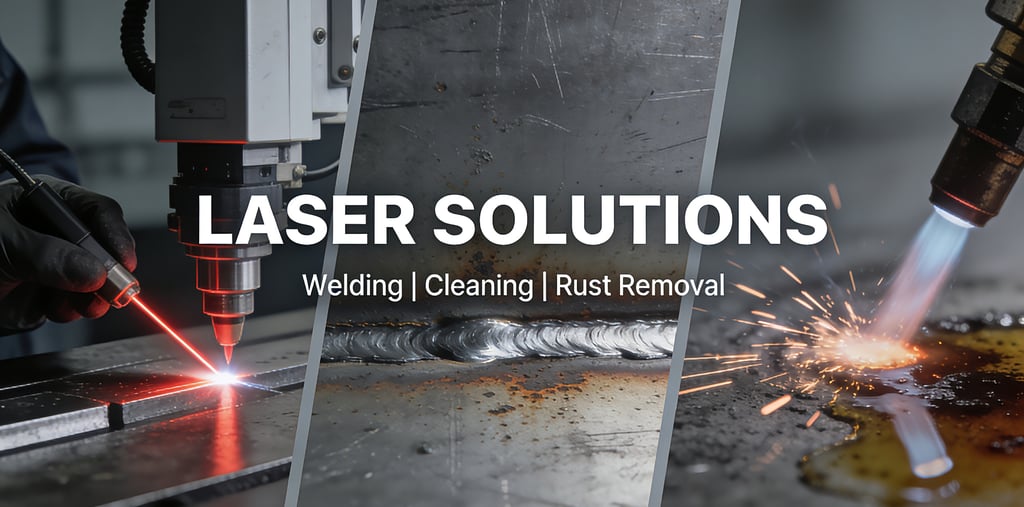
Laser rust removal offers a more precise solution. It removes rust without damaging the underlying steel, making it suitable for maintenance work where preserving the material is important.
Laser rust removal technology offers a distinct advantage over traditional methods such as chemical treatments and sandblasting. One of the primary benefits of using laser technology is its efficiency. The process allows for precision-targeted removal of rust and corrosion, ensuring that underlying metal structures remain largely unharmed. Unlike abrasive methods that can damage the substrate surface, laser systems utilize light beams that focus on rust, effectively vaporizing it without exerting mechanical pressure.
Environmental sustainability is another key advantage of laser rust removal. Conventional methods often rely on harsh chemicals or abrasive materials that not only pose risks to human health but also generate significant waste. In contrast, laser rust removal minimizes the use of chemicals, producing no secondary waste. This makes it a cleaner and more environmentally responsible option, aligning with the growing trend toward adopting green technology in industrial applications.
Further emphasizing its efficacy, laser rust removal can operate across various types of steel structures and surfaces. This adaptability ensures that the technology can be implemented in diverse construction projects, from bridges to historical artifacts that require delicate handling. Moreover, the speed of laser systems often translates to reduced labor costs and downtime, proving to be economically viable in the long run. When comparing laser rust removal to traditional methods, the reduced risk of damage, lower environmental impact, and operational efficiency present compelling arguments for its adoption.
In summary, the advantages of utilizing laser rust removal technology include its efficiency in targeted rust removal, environmental friendliness due to reduced chemical use, and minimal risk of damaging underlying metal compared to abrasive techniques. These benefits position laser rust removal as a superior choice in steel maintenance and preservation for construction projects.
The Laser Rust Removal Process: Step-by-Step
In construction projects, portability is a key advantage. Laser systems can be used directly on-site, reducing the need for transportation.
The efficient removal of rust from steel structures and components is vital for maintaining their integrity and prolonging their lifespan. The laser rust removal process involves several detailed steps aimed at ensuring thorough cleaning while prioritizing safety and effectiveness.
Initially, the process begins with a comprehensive inspection of the steel surface to assess the extent of rust and contaminants present. This assessment helps in selecting the appropriate laser equipment. Two primary types of lasers are commonly utilized: fiber lasers and CO2 lasers. Fiber lasers are known for their precision and ability to penetrate tougher rust layers, while CO2 lasers are effective for broader surface coverage. Each type operates at different power settings to accommodate various rust conditions.
Once the equipment is finalized, safety precautions come into focus. Operators must wear protective gear such as goggles and gloves to shield against high-intensity laser beams and any debris generated during the removal process. Furthermore, ensuring proper ventilation is essential to avoid the accumulation of harmful fumes from burnt rust. Often, the area will be cordoned off to restrict access during operations to prevent accidents.
Following safety measures, the actual rust removal procedure begins. The laser is focused on the affected areas, where it emits concentrated light energy to vaporize the rust. The operator skillfully maneuvers the laser across the surface, maintaining a steady pace and distance to ensure even treatment. Techniques such as raster scanning can also be employed, permitting a systematic approach to cover larger surfaces effectively. Throughout the process, continuous monitoring is necessary to adjust the laser settings as needed, ensuring thorough cleaning without damaging the underlying steel.
This sequence of steps not only guarantees effective rust removal but also helps in preserving the structural integrity of steel components, ultimately safeguarding investment in construction projects.
Applications of Laser Rust Removal in Construction Projects
Safety and environmental concerns are also reduced, as the process generates less dust and waste.
For companies involved in infrastructure maintenance, laser rust removal provides a modern and efficient alternative.
Laser rust removal technology has emerged as a versatile solution for maintaining the structural integrity of a variety of construction projects, particularly those involving steel structures such as bridges, buildings, and industrial facilities. The ability to selectively target rust and corrosion without damaging the underlying metal surface presents a significant advantage over traditional cleaning methods.
In the context of bridge maintenance, laser rust removal has been successfully employed to extend the lifespan of critical infrastructure. For example, a notable project involved the restoration of an aging steel bridge where traditional sandblasting was deemed too destructive. Utilizing laser technology allowed the maintenance crew to efficiently remove rust while preserving the structural components, showcasing a successful application of this technique.
Similarly, in building maintenance, laser rust removal has proven effective for skyscrapers and commercial structures. A case study on the steel beams of a high-rise showed that the application of laser technology led to expedited maintenance timelines and reduced overall costs associated with rust treatment. Additionally, the precision of laser removal minimized the need for repainting and additional protective coatings, further enhancing project timelines and budget adherence.
Beyond these specific examples, the versatility of laser rust removal allows for effective treatment in a wide range of industrial environments, including shipyards, manufacturing facilities, and energy sectors. The technology not only addresses aesthetic concerns but also mitigates risks related to structural failure due to corrosion. As the construction industry continues to innovate, the adoption of laser rust removal will likely increase, offering enhanced maintenance solutions that align with sustainability goals and safety standards.