fiber laser welding machine for Metal Fabrication
Discover top-notch laser welding machines designed for metal fabrication shops. Explore our advanced fiber laser welding machines and industrial fiber laser welding machine to enhance your welding capabilities.
5/6/20263 min read
Understanding Laser Welding Technology
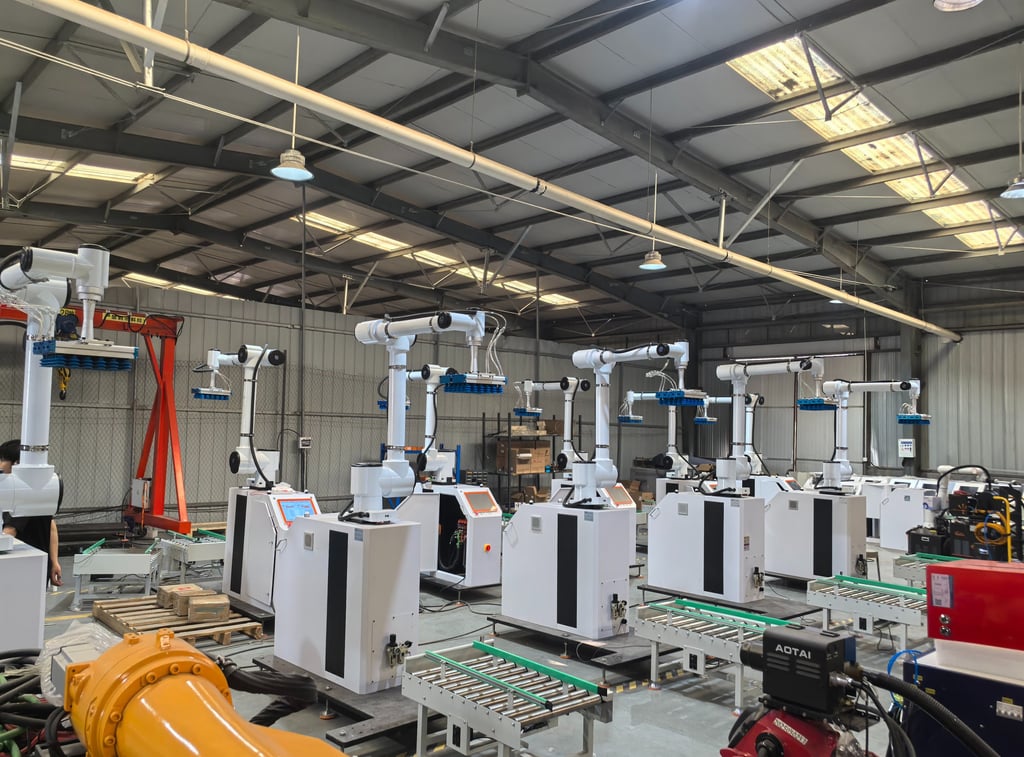
Laser welding is a precise method that leverages a highly focused laser beam to melt and fuse metals together. The technology is renowned for its efficiency, speed, and ability to produce high-quality welds. When setting up a laser welding machine in a metal fabrication shop, several factors come into play to ensure you achieve optimal results. Understanding these factors can significantly enhance your welding capabilities.
Why Fabrication Shops Are Rethinking Their Welding Setup
Across Vietnam, metal fabrication shops are facing increasing pressure.
Customers want faster delivery, better finishing, and lower costs.
But many workshops still rely on traditional welding methods,
which often lead to slow production, heavy rework, and high labor dependency.
So the real question is:
What is the best laser welding machine setup for a metal fabrication shop?
Common Challenges in Metal Fabrication Workshops
Before choosing equipment, it’s important to understand the real problems.
Typical Pain Points
Slow welding speed in batch production
Heavy grinding and post-processing
Inconsistent weld quality
High reliance on skilled workers
These issues reduce efficiency and limit production capacity.
Why a Laser Welding Machine Is a Better Fit
A modern laser welding machine is designed to improve overall workflow,
not just the welding process.
Faster Welding Speed
Laser welding can be 2–4 times faster than traditional methods.
H3: Clean Weld Seams
Smooth finishes reduce or eliminate polishing work.
Lower Heat Distortion
Better control means less deformation, especially on thin materials.
Easier Operation
New operators can learn quickly, reducing labor pressure.
What Is the Best Setup for a Fabrication Shop?
The ideal setup depends on your production type and materials.
H3: Power Selection
Choosing the right power level is critical.
1500W: Light-duty work, thin sheets
2000W: Most common for general fabrication
3000W: Heavy-duty work and higher output
For most shops in Vietnam,
2000W offers the best balance between cost and performance.
Multi-Function Capability
Modern fabrication shops handle different tasks daily.
A flexible laser welding machine can include:
Welding
Cutting
Weld seam cleaning
Surface cleaning
This reduces the need for multiple machines
and improves workflow efficiency.
Core Components
Machine performance depends heavily on component quality.
Focus on:
Stable laser source
Reliable cooling system
Durable welding gun
Good components ensure consistent output and longer machine life.
Industry Applications: One Machine, Multiple Uses
A properly configured machine can serve multiple industries:
Sheet metal fabrication
Stainless steel products
Doors and windows
HVAC duct production
Metal furniture manufacturing
This flexibility is especially valuable for workshops
serving different customers.
Real Benefits for Fabrication Shops
Upgrading to a laser welding machine can bring clear advantages.
Higher Production Efficiency
Faster welding and less rework shorten production cycles.
Reduced Labor Cost
Less grinding and easier operation reduce manpower needs.
H3: More Stable Quality
Consistent welds improve customer satisfaction.
For B2B buyers, these factors matter more than initial equipment cost.
Solution: How to Choose the Right Supplier
Choosing the right supplier is just as important as choosing the machine.
A successful laser welding operation hinges on selecting the right equipment and components. Here are key elements to consider for your setup:
Laser Source: Choose between fiber or CO2 lasers. Fiber lasers are generally more efficient and provide better performance for a variety of welding applications.
Cooling System: Effective cooling is vital to maintain laser performance and prevent overheating. A reliable cooling system ensures your machine operates at peak performance.
Control Software: User-friendly software can enhance the user experience and streamline the welding process. Look for software that supports various welding parameters and provides visual guidance.
Each of these components plays a crucial role in your overall setup, affecting both the quality of your welds and the operational efficiency of your shop.
Factors Influencing Your Setup Choice
When determining the best laser welding machine setup for your metal fabrication shop, consider the following factors:
Type of Materials: Different metals require various welding techniques. Ensure your setup can accommodate the types of materials you frequently work with.
Welding Thickness: The thickness of the materials will dictate the power and type of laser required. A powerful laser may be necessary for thicker materials.
Production Volume: Higher production volumes might benefit from automated systems, while varied projects may require more versatile setups.
Evaluating these factors will guide you in selecting the best laser welding machine for your specific operations, improving productivity and output quality.
Look for
Flexible configurations (1500W / 2000W / 3000W)
Industry-specific application experience
Reliable technical support
Strong packaging and delivery protection
For distributors and agents, offering customized solutions
helps build long-term customer relationships.
A well-matched laser welding machine setup
can significantly improve workshop performance.
Conclusion: The Right Setup Drives Real Growth
There is no single “best” machine for every workshop.
But there is a best setup based on your production needs.
Metal fabrication shops in Vietnam are moving toward
more efficient, flexible, and less labor-dependent solutions.
Laser welding is not just an upgrade —
it’s a shift toward smarter production.
If you want to find the best laser welding machine setup for your metal fabrication shop,
contact us for customized solutions, real application videos, and detailed recommendations.
In conclusion, choosing the right laser welding machine setup for your metal fabrication shop involves a careful assessment of technology, components, and operational requirements. With the right knowledge and equipment, you can significantly enhance your shop's capabilities and achieve higher-quality welds.