Automotive Laser Welding for Car Parts
Discover the benefits of automotive laser welding in the car parts industry. Learn how laser welding technology enhances precision and efficiency in automotive manufacturing.
4/22/20264 min read
Introduction to Laser Welding in Automotive Manufacturing
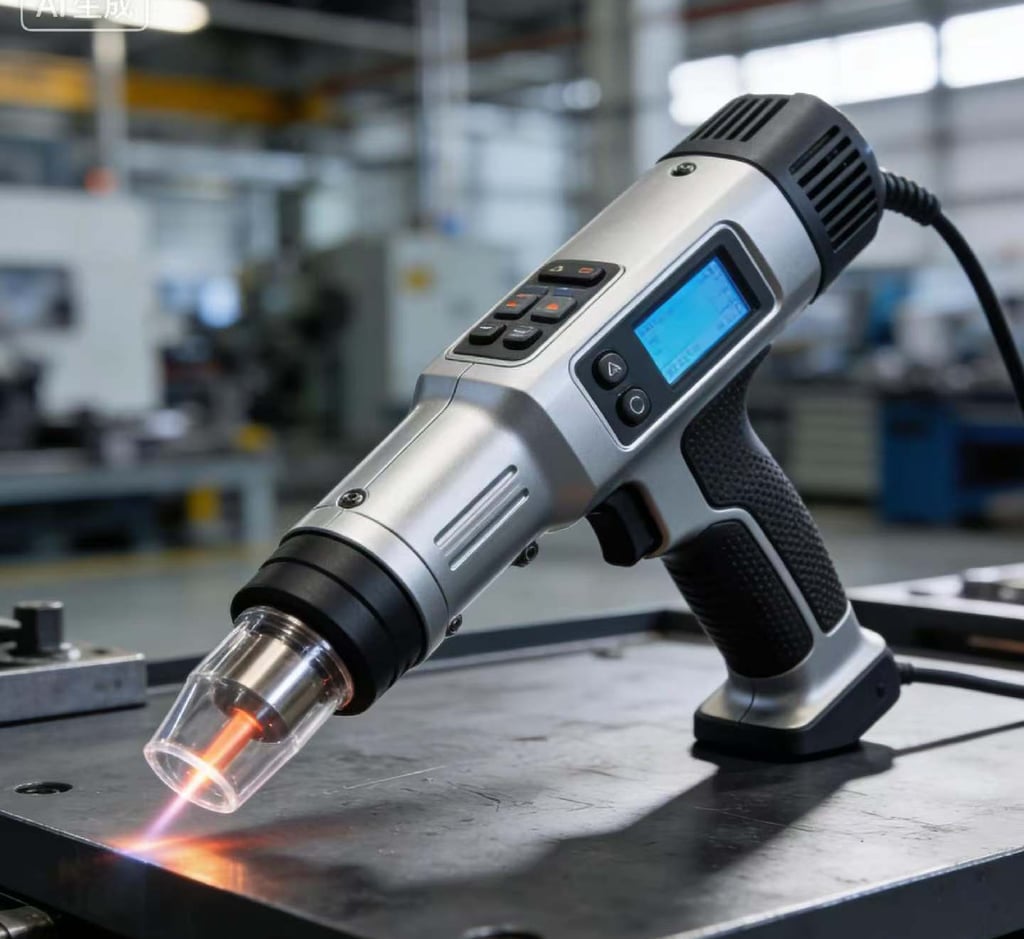
Laser welding has emerged as a significant technology in the automotive manufacturing sector, playing a crucial role in the production of vehicle components. This innovative process utilizes concentrated light beams, a method that allows for highly precise and efficient joining of materials. At its core, laser welding relies on the principle of converting electrical energy into focused laser light, which is then directed onto the workpieces to create a molten pool. As the molten material cools, a strong bond is formed, which is essential in ensuring the structural integrity of automotive parts.
There are several types of lasers commonly utilized in this application, the most notable being carbon dioxide (CO2) lasers and fiber lasers. CO2 lasers are renowned for their ability to cut and weld a variety of materials, including metals and polymers, while fiber lasers are known for their efficiency, compact size, and ability to weld materials with high reflectivity, such as aluminum. This versatility makes laser welding an attractive option for manufacturers seeking to optimize production processes.
The advantages of laser welding over traditional methods cannot be overstated. One of the primary benefits is the speed at which laser welding can occur, allowing for higher production rates without compromising quality. Additionally, laser welding produces a narrower heat-affected zone compared to conventional welding techniques. This results in less distortion and improved mechanical properties of the welded components, which is paramount in automotive applications where reliability and safety are critical. Furthermore, the precision inherent in laser welding reduces the need for extensive post-weld processing, thereby streamlining the overall manufacturing workflow.
Benefits of Laser Welding for Automotive Parts
Automotive manufacturing requires high precision, consistency, and efficiency. Welding is a key process in producing components such as frames, brackets, and exhaust systems.
Laser welding is increasingly used because it provides clean welds, high speed, and minimal distortion. This is especially important for thin materials commonly used in automotive parts.
Laser welding has emerged as a pivotal technology in the automotive industry, bringing an array of benefits that significantly enhance the manufacturing process of automotive parts. One of the primary advantages is the enhanced strength and durability of welded joints. The concentrated heat from the laser allows for precise control, which leads to minimal heat-affected zones. Consequently, this results in waves and warping being reduced, providing robust joints that can withstand intense automotive operations.
Additionally, laser welding streamlines production efficiency due to its rapid welding speeds. Traditional methods may require more time due to multiple passes or various processes; however, the laser welding technique allows for quicker cycles without compromising quality. This rapidity not only speeds up the overall manufacturing time but also leads to higher production outputs, proving beneficial in meeting the increasing demand for vehicles.
The versatility of laser welding also stands out as a significant benefit. This technique can effectively weld a variety of materials including steel, aluminum, and composites. The ability to join different materials seamlessly opens up new frontiers in vehicle design and component integration, facilitating the development of lightweight and fuel-efficient vehicles.
These benefits translate into substantial cost savings for manufacturers. By reducing the time needed for assembly and minimizing material wastage, companies can lower production costs while enhancing operational efficiency. Moreover, the structural integrity achieved through laser welding contributes to improved vehicle performance, safety, and aesthetics, making it an indispensable process in the automotive manufacturing landscape.
Current Applications of Laser Welding in the Automotive Industry
Another advantage is automation. Laser systems can be integrated into production lines, improving efficiency and reducing manual labor.
Consistency is critical in automotive manufacturing, and laser welding helps maintain uniform quality.
As production demands increase, more manufacturers are adopting laser welding to stay competitive.
Laser welding has become an essential technology in automotive manufacturing due to its precision and efficiency. One of the primary applications of laser welding in this sector is in the assembly of key components such as chassis and body panels. The high energy density provided by lasers allows for deep penetration welding, which is critical for ensuring structural integrity in vehicles, particularly where safety is paramount.
In addition to traditional structures, laser welding has shown remarkable effectiveness in manufacturing exhaust systems. The technology facilitates the precise joining of various metals, optimizing the durability and performance of exhaust components while minimizing weight. This can lead to enhanced fuel efficiency, a significant consideration in modern automotive design.
Moreover, the rise of electric vehicles (EVs) and hybrid vehicles has prompted innovative applications of laser welding. These vehicles often incorporate a variety of lightweight materials to improve range and efficiency. Laser welding proves advantageous when joining dissimilar materials, such as aluminum and steel or composite materials. This capability allows manufacturers to effectively reduce vehicle weight without compromising strength or safety, thereby meeting stricter environmental standards.
As the automotive industry shifts towards more sustainable solutions, laser welding technology continues to evolve, integrating new materials and processes. Advanced laser welding systems provide not only improved efficiency but also the ability to automate and streamline production, leading to increased productivity. This integration is crucial as automotive manufacturers strive to keep pace with the growing demand for environmentally friendly and high-performance vehicles.
Future Trends and Developments in Laser Welding Technology
As the automotive industry continues to evolve, laser welding technology is poised to play a critical role in enhancing production efficiency and quality. One of the key trends anticipated in the coming years is the increasing integration of automation and artificial intelligence (AI) within welding processes. These advancements will not only streamline operations but also improve precision and consistency in weld quality, resulting in higher durability and safety of automotive parts. AI systems will enable real-time monitoring and adaptation of welding parameters, ensuring optimal conditions are maintained throughout the manufacturing process.
Research and development efforts are underway to explore new laser types and innovative welding techniques that can further augment the capabilities of laser welding technology. For instance, the introduction of fiber lasers and disk lasers is expected to increase the efficiency and versatility of laser welding applications. These lasers offer superior beam quality and greater energy efficiency, which allows for faster processing speeds and the ability to weld thinner materials without compromising strength.
The market outlook for laser welding in the automotive sector appears promising, driven by continuous technological advancements. Industry players are increasingly adopting laser welding due to its advantages, such as reduced heat-affected zones and minimal post-weld processing requirements. Additionally, ongoing developments are anticipated to lower the operational costs associated with laser welding systems, making it more accessible for various automotive manufacturers.
Furthermore, the push towards electric vehicles (EVs) necessitates new techniques in battery and structural component manufacturing, further fuelling the demand for advanced laser welding technology. As manufacturers align with environmental regulations and aim for sustainable production, laser welding is likely to emerge as a preferred technology due to its efficiency and eco-friendliness. Overall, the future of laser welding in automotive manufacturing is expected to be characterized by enduring innovation and significant growth.