Choosing the Right Handheld Laser Welding Machine
Discover how to choose the best handheld laser welding machine for your factory needs. Explore industrial laser welding solutions and find the right laser welder for optimal performance.
4/10/20265 min read
Understanding Handheld Laser Welding Technology
Choosing a handheld laser welding machine is not just about picking a model with the highest power or the lowest price. For many buyers, especially distributors and factory owners, the decision has a direct impact on production efficiency, labor cost, and even future business opportunities.
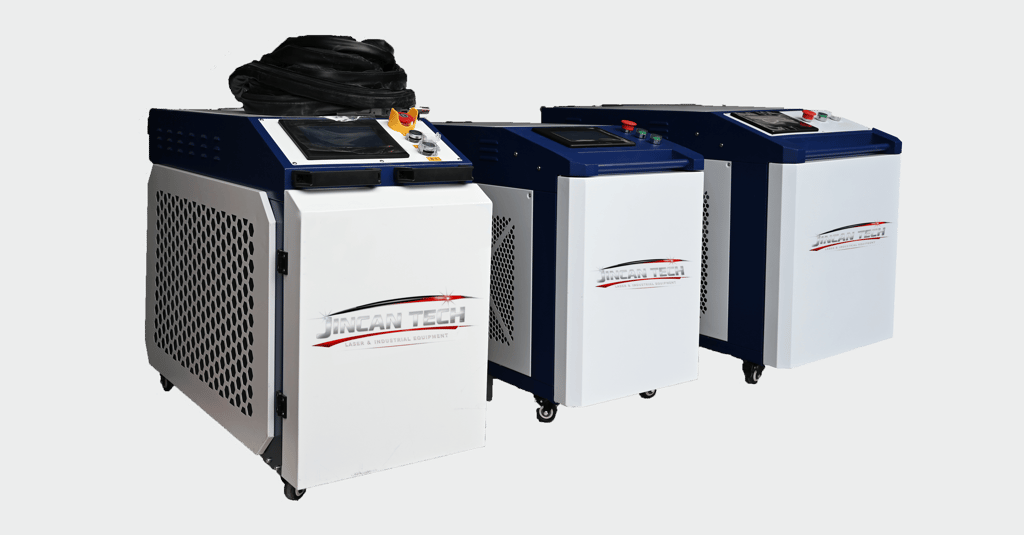
Handheld laser welding technology has gained significant traction in various industries due to its innovative approach and superior capabilities compared to traditional welding methods. At its core, laser welding utilizes a focused beam of light generated by a laser to join materials. The process involves focusing this beam onto the workpiece, which generates heat sufficient to melt the materials at the joint, allowing them to fuse together as they cool. This precision mechanism not only enhances the speed of the welding process but also ensures high-quality results.
There are primarily two types of lasers used in handheld laser welding: fiber lasers and diode lasers. Fiber lasers are renowned for their efficiency and minimal maintenance requirements, making them a preferred choice for many applications. Diode lasers, on the other hand, are often lighter and more compact, offering advantages in portability and ease of use in various settings.
The advantages of handheld laser welding technology over conventional welding methods are manifold. One of the most significant benefits is precision; the focused laser beam allows for extremely accurate welds, even in intricate designs. This precision reduces the risk of a thermal distortion that can often occur with traditional welding methods. Furthermore, the flexibility of handheld laser welders facilitates welding in tight spaces or on geometrically complex parts, which would be challenging with conventional equipment.
Moreover, handheld laser welding machines are versatile, finding applications across a wide array of industries including automotive, aerospace, and electronics. Their ability to weld different materials such as steel, aluminum, and copper makes them highly sought-after in sectors that require robust and efficient welding solutions. Overall, investing in handheld laser welding technology can lead to enhanced productivity, reduced operational costs, and improved quality control in manufacturing processes.
Assessing Your Business Needs
When selecting a handheld laser welding machine, it is crucial to first conduct a thorough assessment of your specific business requirements. This process begins with evaluating the materials you typically weld. Different metals such as steel, aluminum, or copper require distinct welding settings and machine capabilities. Understanding the types of metals you routinely handle can direct you towards a machine with the right specifications.
The first step is to understand your actual application. Different industries have very different requirements. For example, if your main business involves stainless steel furniture or decorative metal, the materials are usually thin and require clean welds. In this case, a mid-range machine is often sufficient. On the other hand, if you are working with structural parts or thicker materials, you will need higher power and better stability.
Another vital consideration is the thickness of the materials you work with. Certain handheld laser welding machines are designed to accommodate varying thicknesses, and selecting one that suits your typical range will ensure optimal performance and weld quality. Therefore, gather detailed information regarding the range of thicknesses you encounter in your projects.
The required welding speed is an additional factor that should not be overlooked. Depending on the urgency and volume of your projects, the welding speed can significantly impact overall efficiency. Assess how quickly you need to complete each weld to meet production deadlines and client expectations. Additionally, think about the production volume—if your business operates on a high-volume basis, investing in more advanced machinery capable of faster outputs may be wise.
Portability is another question to consider, especially if your business necessitates the movement of equipment between various job sites. Some handheld laser welding machines are designed with lightweight and compact features, making them easier to transport and use effectively in different environments.
Consider these aspects carefully, as a thoughtful evaluation of your business needs will pave the way for choosing a handheld laser welding machine that is truly aligned with your operational demands.
Another point to consider is future expansion. Many businesses start with a smaller machine and upgrade later. Choosing a machine with slightly higher capacity than current needs can reduce the need for frequent upgrades.
After-sales support is equally important. Reliable technical assistance, spare parts availability, and training support can make a big difference in long-term operation.
In conclusion, the right handheld laser welding machine is not necessarily the most expensive one. It is the one that fits your application, supports your growth, and delivers stable performance over time.
Key Features to Look For in a Handheld Laser Welding Machine
When selecting a handheld laser welding machine for your business, it is vital to consider several key features that will ensure the machine meets your specific needs. The first feature to evaluate is the power output. The power rating, often measured in watts, will largely determine the welding speed and the thickness of materials the machine can effectively handle. A higher power output often correlates with faster welding speeds and the ability to work with thicker substrates, making it essential for industrial applications.
Next, the cooling system is a critical feature that warrants attention. A reliable cooling system is necessary for maintaining optimal operating temperatures, thereby enhancing the machine's performance and extending its lifespan. Laser welding generates significant heat, and an efficient cooling system ensures that the machine can sustain prolonged use without overheating.
Portability is another crucial aspect, particularly if your business requires welding in varied locations or tight spaces. A machine that is lightweight and easy to maneuver can significantly increase productivity and flexibility. Additionally, assess the user interface; a simple and intuitive control panel can streamline operations and reduce training time for employees, which is especially important if multiple operators will be using the machine.
Safety features should not be overlooked when evaluating handheld laser welding machines. Look for machines that come equipped with protective measures such as fume extraction systems, safety shields, and emergency shut-off switches. These features contribute to a safer work environment and ensure compliance with industry regulations. By carefully considering these key features, you can choose a handheld laser welding machine that enhances performance and meets the specific demands of your operations.
Budgeting and Evaluating Manufacturers
Choosing the right handheld laser welding machine requires careful budgeting, as it involves more than just the initial purchase price. Prospective buyers should consider the long-term economic implications, including energy efficiency, maintenance costs, and operational expenditures. While the upfront costs of a machine might seem daunting, investing in a high-quality machine can lead to significant savings over time. A more efficient model may reduce electricity consumption and minimize the need for frequent repairs or replacement parts.
It is essential to weigh these factors against your business’s budget to ensure that your investment will yield the best returns. Additionally, potential buyers should assess the warranty and service options available from manufacturers. A comprehensive warranty can provide peace of mind, covering repairs and parts, which can save companies money in the event of unexpected malfunctions. Likewise, prompt access to service and support can enhance productivity and minimize downtime.
When evaluating manufacturers, diligent research becomes paramount. Start by examining product reviews and testimonials from other businesses that have used the machines in question. This information can offer valuable insights into reliability and performance. Furthermore, consider the manufacturer’s history and reputation in the industry; well-established companies often have longer track records of providing quality products and customer service.
Lastly, reach out to manufacturers to inquire about their support services. Assessing the accessibility and responsiveness of their customer service can significantly impact your experience post-purchase. By approaching this process with due diligence, businesses can identify the right handheld laser welding machine that aligns with their operational needs and budget, ultimately ensuring a wise investment in technology.