Laser Cleaning vs Traditional Cleaning: The Future of Factory Solutions
Explore the differences between laser cleaning and traditional cleaning methods. Discover the benefits of industrial laser cleaning solutions and why they are becoming a leading trend in factory cleaning.
4/23/20265 min read
Introduction to Laser Cleaning Technology
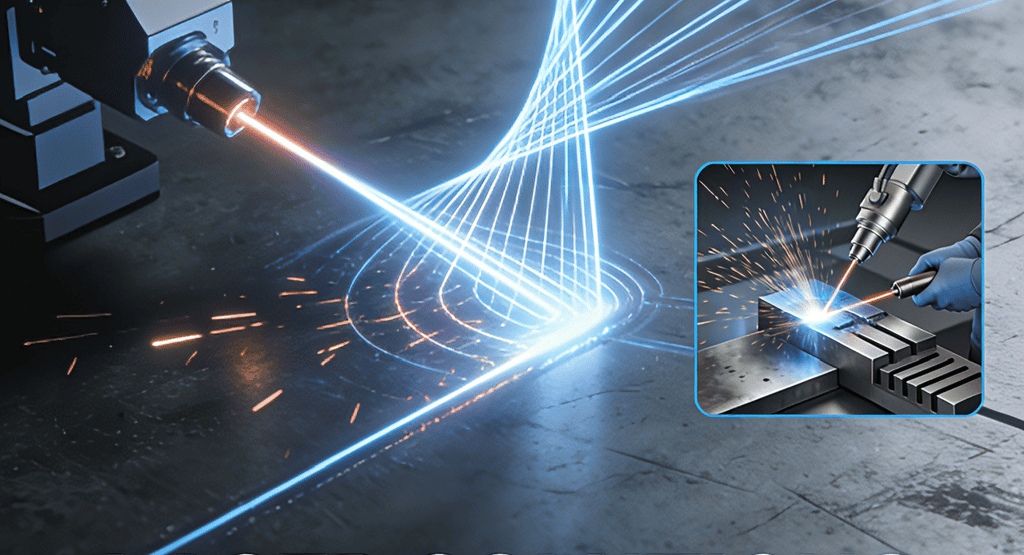
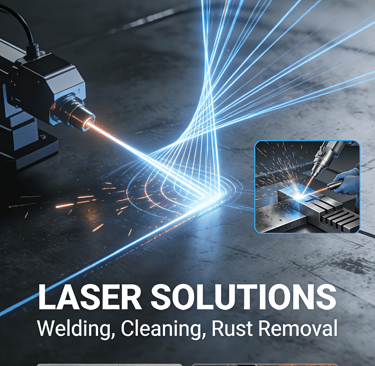
Laser cleaning technology is an innovative process that utilizes high-intensity laser beams to remove contaminants from surfaces. The core principle behind laser cleaning involves the absorption of laser energy by the contaminants, leading to their vaporization or disintegration without damaging the underlying material. This method offers a significant advancement over traditional cleaning techniques, such as chemical solvents or abrasive methods, which may cause wear or leave residues.
Traditional cleaning methods often involve the use of harsh chemicals or physical abrasion to eliminate dirt, rust, or coatings from various surfaces. These methods can be time-consuming, environmentally harmful, and may even compromise the structural integrity of the material being cleaned. In contrast, laser cleaning provides a more efficient, environmentally friendly solution that minimizes waste and does not require any harmful substances, making it appealing for a variety of industrial applications.
There are different types of lasers employed in cleaning processes, including fiber lasers, CO2 lasers, and Nd:YAG lasers. Each type possesses unique characteristics suited to specific cleaning tasks. For instance, fiber lasers are often preferred for precision cleaning due to their high power density and wavelength adaptability, while CO2 lasers excel in removing organic materials. The versatility of these lasers allows for their application in various industrial settings, such as automotive manufacturing, aerospace, and historic restoration.
Overall, laser cleaning technology embodies a revolutionary approach to maintaining cleanliness in industrial environments. By offering a method that is efficient, precise, and less harmful to the environment, it has established itself as a superior alternative to traditional cleaning methods. As more industries adopt this technology, it is clear that laser cleaning is set to play a crucial role in the future of industrial cleaning.
Advantages of Laser Cleaning Over Traditional Methods
Factories are under increasing pressure to improve efficiency while meeting environmental regulations. Traditional cleaning methods, while effective, often involve chemicals, consumables, and waste management.
Laser cleaning technology is revolutionizing industrial cleaning processes by offering numerous advantages over traditional cleaning methods. One of the most significant benefits is the efficiency that laser cleaning provides. Unlike traditional methods that often require extensive preparation and labor, laser cleaning can quickly remove contaminants such as rust, paint, and grease from various surfaces. This speeds up cleaning operations, minimizing downtime and enhancing productivity in factories.
Precision is another critical advantage of laser cleaning. The technology allows for targeted cleaning, ensuring that only the specific areas requiring maintenance are treated. This precision reduces the risk of damage to surrounding materials and surfaces, a common issue with abrasive or chemical cleaning methods. Consequently, businesses are less likely to incur additional costs related to repairs or replacement of affected equipment.
Moreover, the reduced environmental impact of laser cleaning is noteworthy. Traditional cleaning methods often rely on harsh chemicals that can be harmful to both human health and the environment. In contrast, laser cleaning utilizes focused light to generate heat directly at the contamination site, often eliminating the need for chemical agents. This not only results in a safer working environment but also aligns with many corporations' sustainability goals.
From an economic standpoint, while the initial investment in laser technology may be higher than traditional methods, the long-term savings can be substantial. Decreased labor costs, minimized waste disposal fees, and lower material consumption contribute to an overall reduction in operational expenses. Furthermore, the extended lifespan of machinery due to reduced wear and tear can lead to significant cost savings for businesses in the long run.
In summary, the advantages of laser cleaning over traditional methods are evident, including enhanced efficiency, precision, reduced environmental impact, and favorable economic considerations, making it an increasingly attractive option for factories seeking improved cleaning solutions.
Case Studies and Real-World Applications
In recent years, numerous industries have adopted laser cleaning technology, showcasing its effectiveness and suitability for various applications. One notable case study comes from a heavy machinery manufacturing plant that struggled with persistent rust and paint buildup on machinery components. Traditional cleaning methods, such as sandblasting and chemical washing, not only took considerable time but also posed risks to the environment and worker safety. By implementing laser cleaning, the facility was able to significantly reduce cleaning times and improve safety protocols. The laser system effectively removed rust and contaminants without damaging the underlying surface, resulting in restored equipment functionality and improved productivity.
Another example can be observed in the automotive industry, specifically within a factory focused on framework assembly. Here, laser cleaning technologies were employed to clean weld beads and ensure optimal paint adhesion. Initially, the factory faced challenges with inconsistent paint quality due to residues from previous cleaning methods. After transitioning to laser technology, the factory witnessed a marked improvement in the paint application process. The laser cleaning method provided precision, reducing the chance of overspray and ultimately resulting in higher quality finishes. This transition not only enhanced the aesthetics of the products but also led to greater customer satisfaction.
Moreover, the aerospace sector showcases another vital instance of laser cleaning application. A leading aerospace parts manufacturer faced stringent regulations regarding cleanliness levels for components prior to assembly. By integrating laser cleaning technology into their process, they achieved compliance with regulatory standards while also reducing labor costs associated with manual cleaning methods. The precision of laser cleaning allowed for enhanced control over the cleaning process, eliminating concerns about leftover residues that could affect component performance.
Future Trends in Laser Cleaning Technology
The landscape of industrial cleaning is poised for significant transformation as laser cleaning technology continues to evolve rapidly. Ongoing research is focused on enhancing the efficiency and capabilities of laser systems, aiming to provide higher precision in various applications. As industries endeavor to meet stringent regulatory standards and improve their environmental footprints, laser cleaning offers a cleaner, more sustainable alternative to traditional methods. The future trends in this technology indicate a shift towards more automated and integrated laser systems that can be easily embedded into existing production lines.
Significant advancements in the power and portability of laser devices are anticipated. Future systems may incorporate advancements in fiber laser technology, allowing for improved energy efficiency and versatility. Such innovations will facilitate the use of laser cleaning for a broader range of materials and contaminants, enhancing applicability across diverse industrial sectors including manufacturing, automotive, and aerospace. Moreover, as artificial intelligence (AI) and machine learning become more integrated into operational processes, these technologies could potentially optimize laser cleaning operations, driving even greater efficiency and precision.
Despite the promising outlook, several challenges may surface as the adoption of laser cleaning technology expands. For instance, the high initial investment in sophisticated laser equipment can be a deterrent for smaller companies. Additionally, the need for skilled personnel to operate and maintain these systems effectively is essential for successful implementation. Furthermore, continuous advancements in technology will require industries to adapt quickly, which may pose a challenge for organizations slow to embrace change. Nevertheless, as the benefits of laser cleaning technologies become increasingly apparent, it is expected that the barriers to entry will gradually diminish, leading to more widespread usage across various industrial applications.
Laser cleaning offers a cleaner alternative. It eliminates the need for consumables and reduces waste.Efficiency is another factor. With fewer preparation steps, production can move faster.As more companies focus on sustainability, laser cleaning is becoming a preferred choice.