
Hygienic Laser Welding & Cleaning for Commercial Kitchens
JCT offers a one-stop laser solution that eliminates warping in large stainless steel worktops, removes crevices where bacteria can breed, and delivers a smooth, food-grade weld that fully complies with NSF standards
The Fabrication Challenge
Fabricating commercial kitchen equipment—such as exhaust hoods, sinks, and prep tables—requires working with large expanses of thin stainless steel (typically 1.0mm to 1.5mm). Traditional TIG welding introduces severe manufacturing and compliance bottlenecks
Massive Thermal Warping on Flat Surfaces
Large stainless steel countertops have low thermal mass. When a slow TIG arc applies to a seam, the heat spreads horizontally, causing violent expansion. This leaves flat prep tables permanently bowed, buckled, or wavy. Fabricators must spend hours manually hammering, pressing, and flame-straightening panels just to make them visually acceptable to restaurant owners.
Bacteria-Trapping Porosity & Undercut
In the food service industry, microscopic weld defects are a severe health hazard. Manual TIG welding often leaves undercuts, micro-cracks, or bulky weld crowns. These imperfections create inaccessible crevices where grease, moisture, and deadly pathogens (like Salmonella and Listeria) harbor and multiply, resulting in failed health inspections.
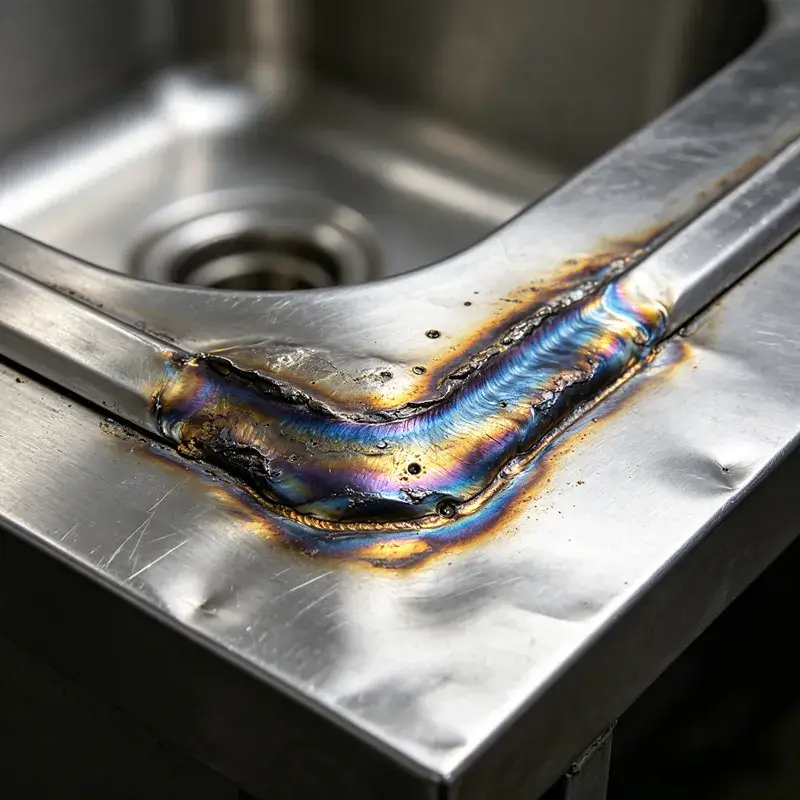
The Grinding and Polishing effect
To achieve a food-grade sanitary finish, fabricators must aggressively grind down bulky TIG welds using abrasive wheels, followed by toxic pickling pastes to remove heat tint. This labor-intensive process inevitably destroys the factory #4 brushed finish, forcing workers to spend extensive time re-graining the entire stainless steel surface to hide the weld marks.
Why Commercial kitchens Need laser welding?
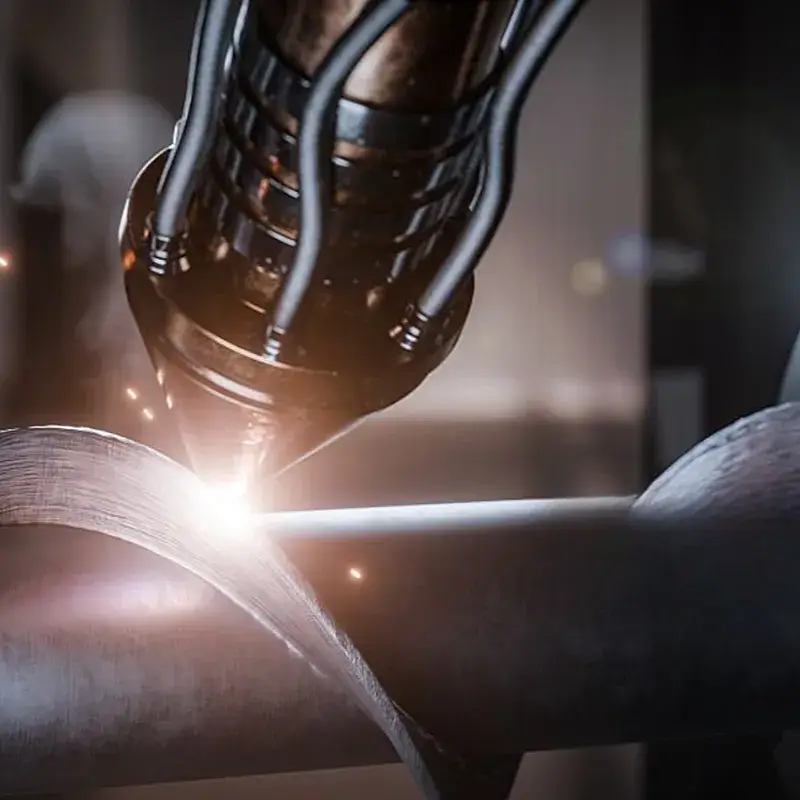
Pre-Weld Laser Degreasing
Deep-drawn sinks and stamped exhaust hoods are covered in drawing compounds and forming oils. If welded over, these organics cause severe weld porosity. Switch the JCT system to cleaning mode to instantly vaporize oils from the joint. The laser leaves the surrounding #4 brushed finish perfectly intact, prepping a pristine surface for a hermetic seal.
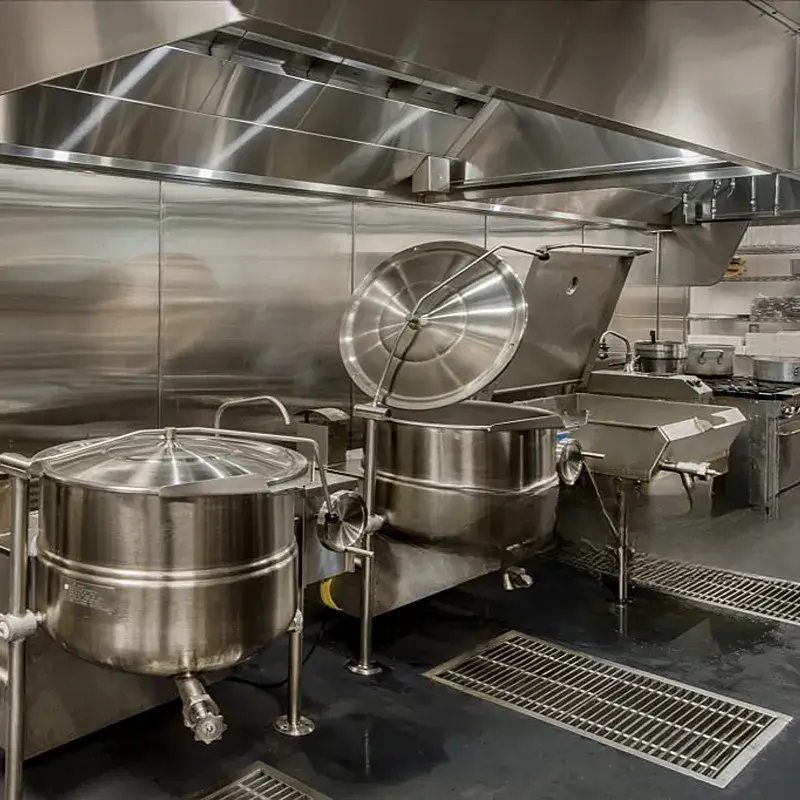
Low-Heat Keyhole Welding
Switch to welding mode to join the prep table seams. The continuous wave (CW) laser focuses megawatts of energy into a microscopic point, traveling up to 4x faster than TIG. Because the energy is applied and removed in milliseconds, thermal conduction is halted. Your massive 2-meter stainless countertops remain perfectly flat and dimensionally accurate, completely eliminating post-weld straightening.
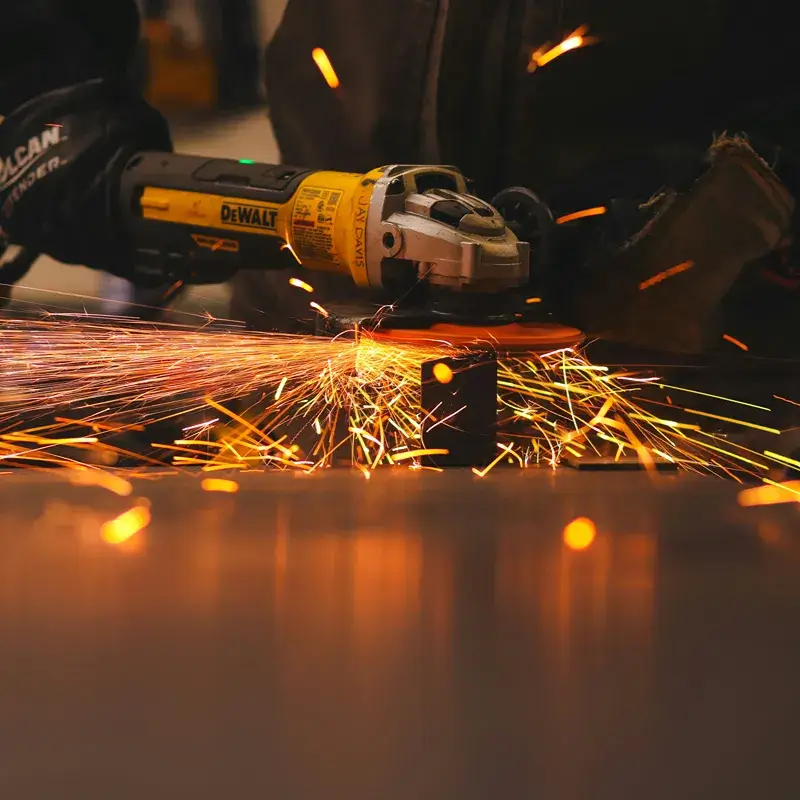
Instant Laser Passivation
Any slight rainbow oxidation (heat tint) left on the weld seam is a liability for rust. Switch back to cleaning mode and sweep the laser over the joint. It instantly vaporizes the chromium-depleted oxide layer, leaving a bright, passivated, sanitary silver finish. The kitchen equipment is immediately ready for assembly—no toxic pickling paste, no abrasive wheels.
Laser Solutions for commercial Kitchen Equipment
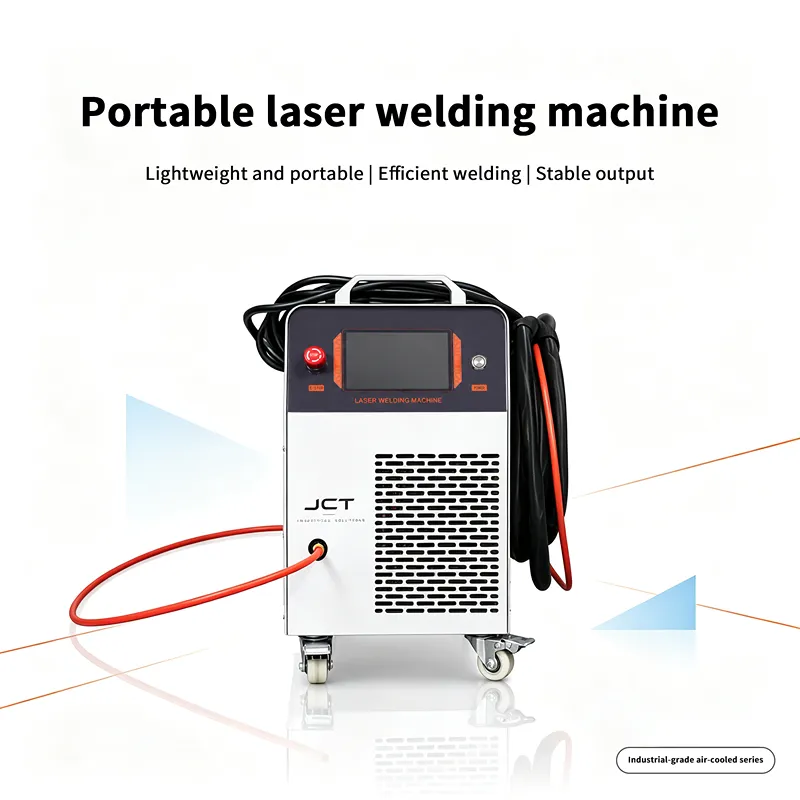
Custom stainless steel prep tables, complex exhaust hoods, and low-volume bespoke restaurant fixtures
One ultimate tool for custom fabrication. It Allows a single operator to seamlessly switch between zero-distortion welding and hygienic heat-tint removal. Drastically reduces the time spent grinding outside corners and polishing flat surfaces.
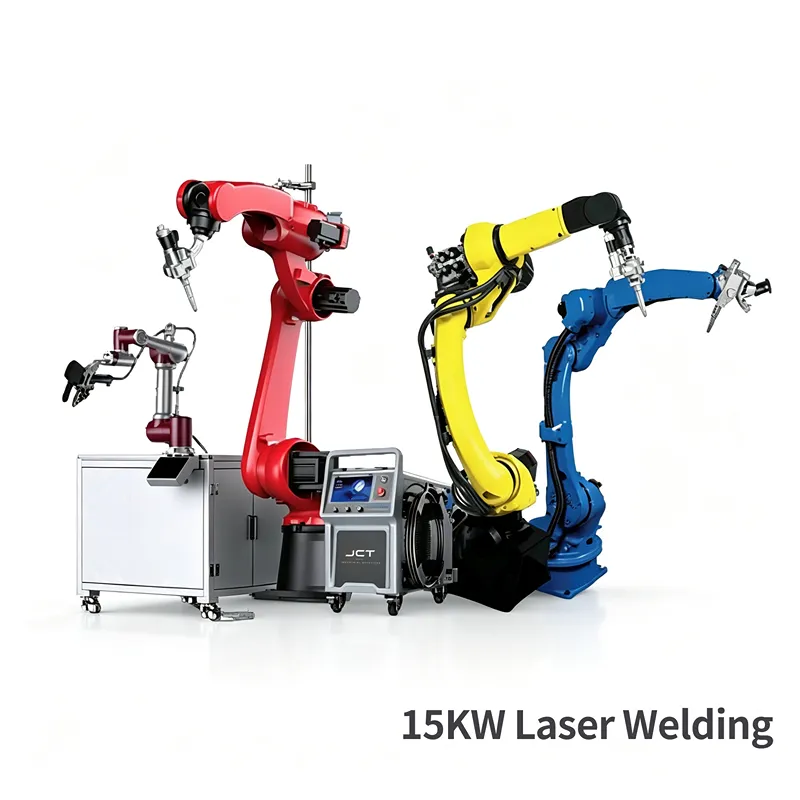
High-volume, standardized deep-drawn sinks, commercial ovens, and under-counter refrigerators.
Matching our high-power continuous wave (CW) lasers with 6-axis robotics for perfect repeatability. Delivers 24/7 flawless, watertight, and spatter-free joints, eliminating manual inconsistencies in mass production lines.
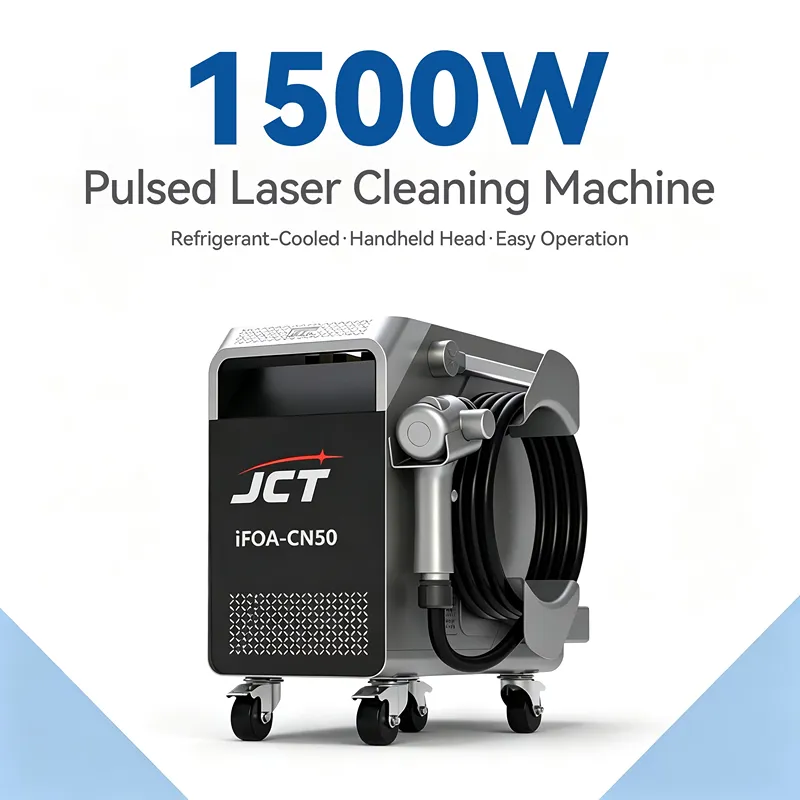
Non-destructive surface restoration and heavy grease/oxide removal on refurbished kitchen equipment.
Uses short nanosecond pulses to strip oxidation and baked-on carbon without altering the underlying #4 brushed or mirror finish, restoring equipment to NSF sanitary standards instantly
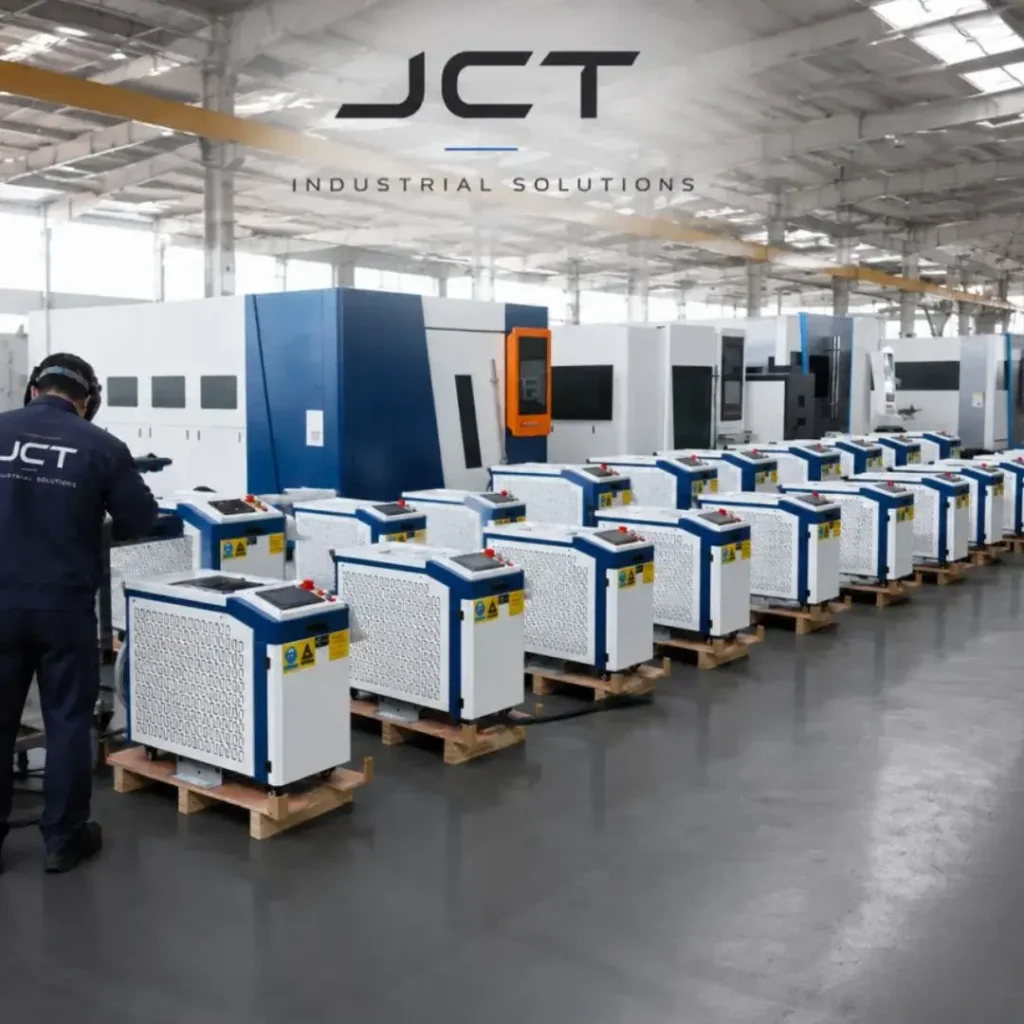
WHO WE ARE?
Manufacturingthe Future of Laser Fabrication & Quality Control.
With over 10 years of industry expertise, we have grown into a trusted source for industrial laser welding & fabrication processing systems and precision environmental testing equipment.
At JCT, we not only build machines; but also build reliability.
From rapid metal fabrication to simulating extreme -40°C climates for your material testing,we ensure every set of equipment meets strict global standards.
We are committed to accelerating your R&D cycles and safeguarding your brand’s reputation with robust, factory-direct solutions.
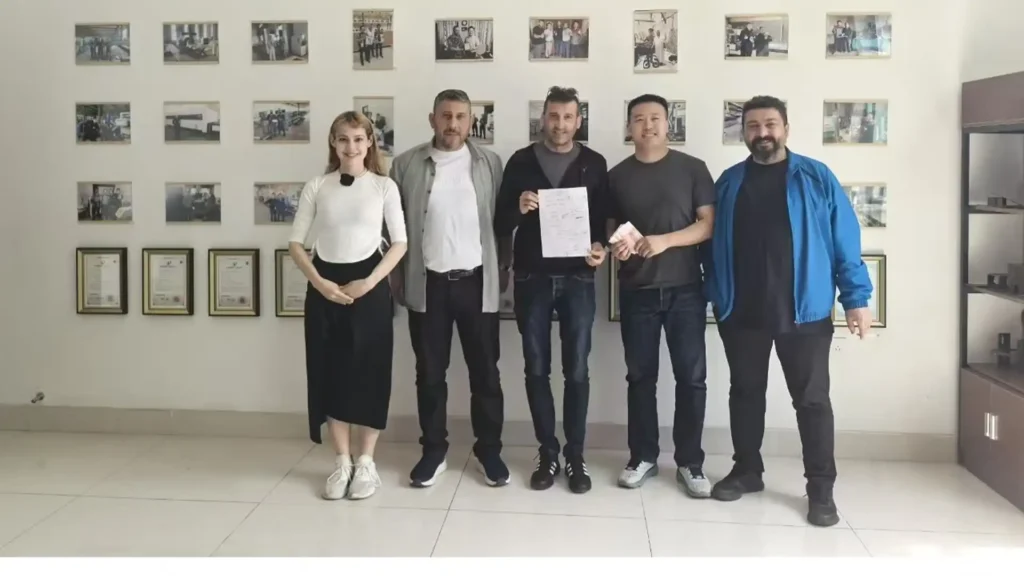
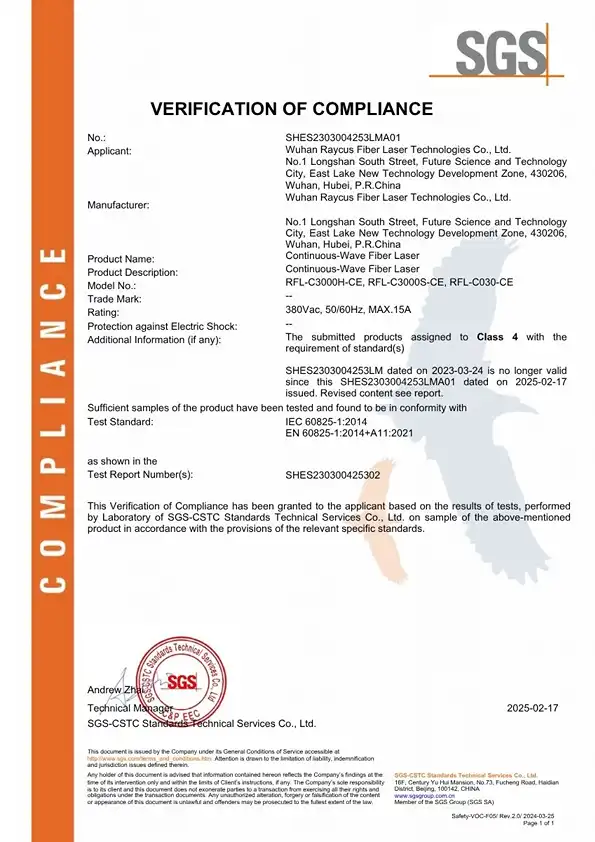
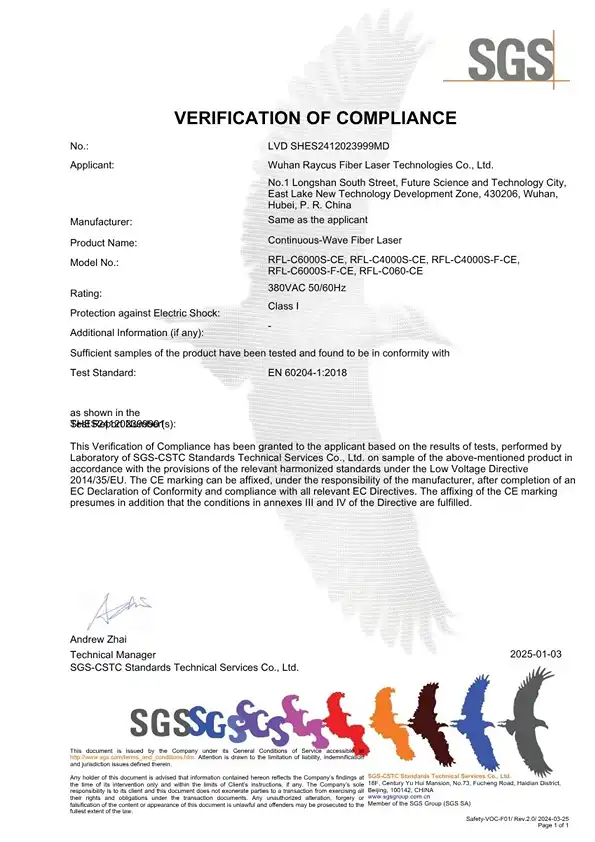
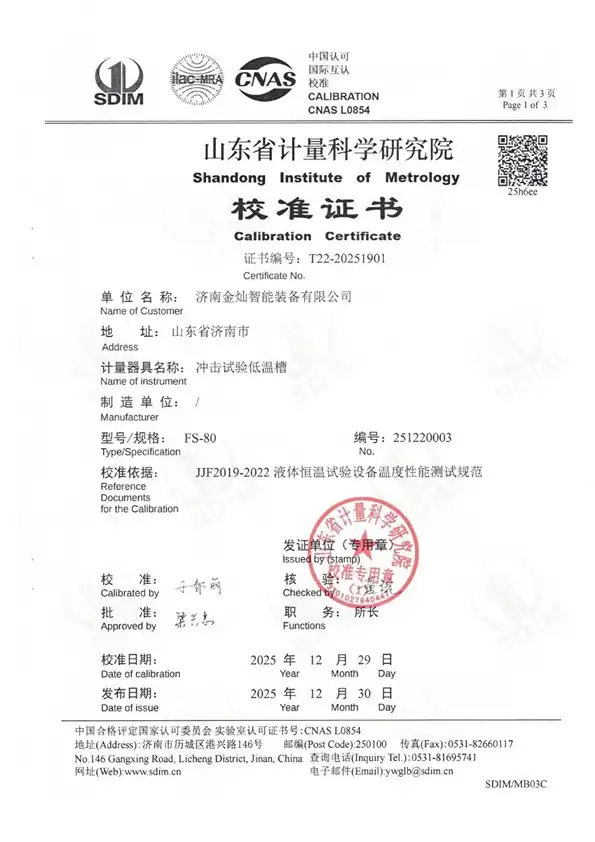
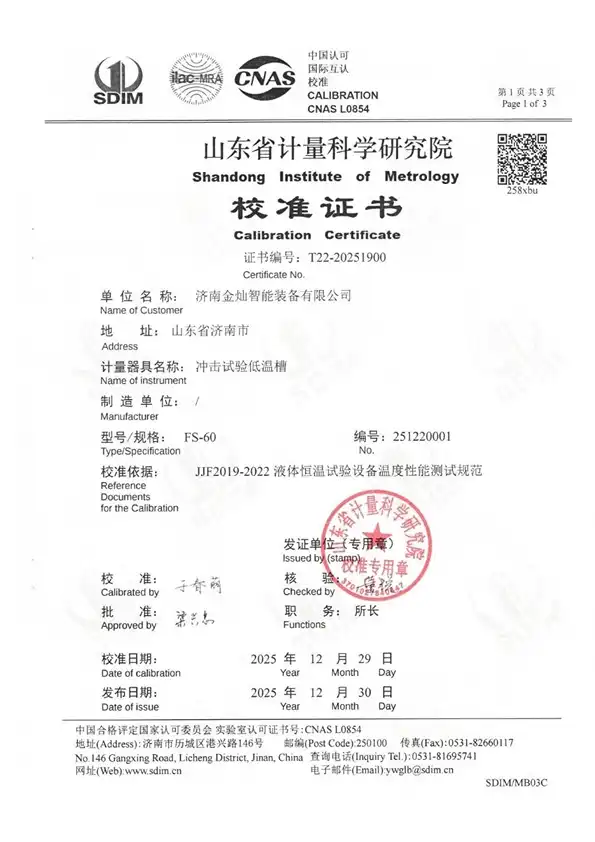
PREMIUM COMPONENTS ASSURANCE
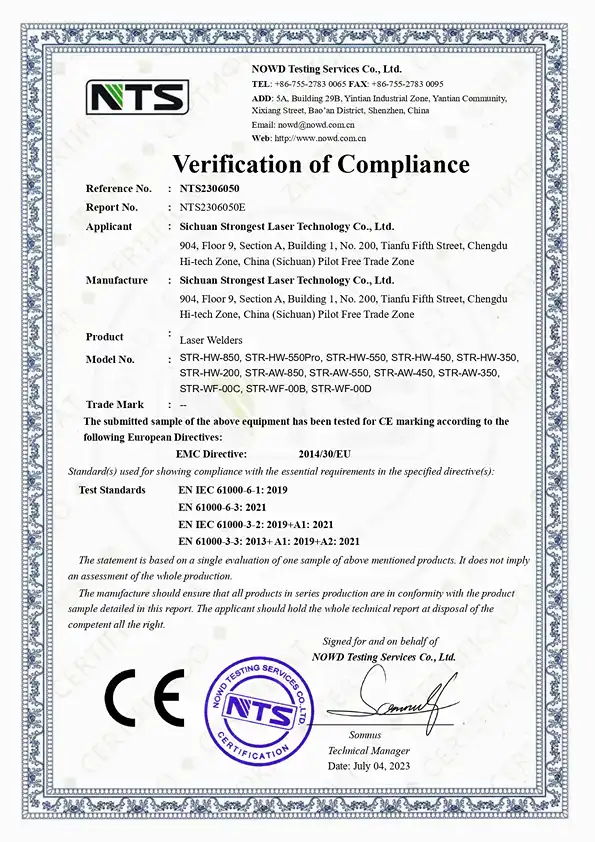
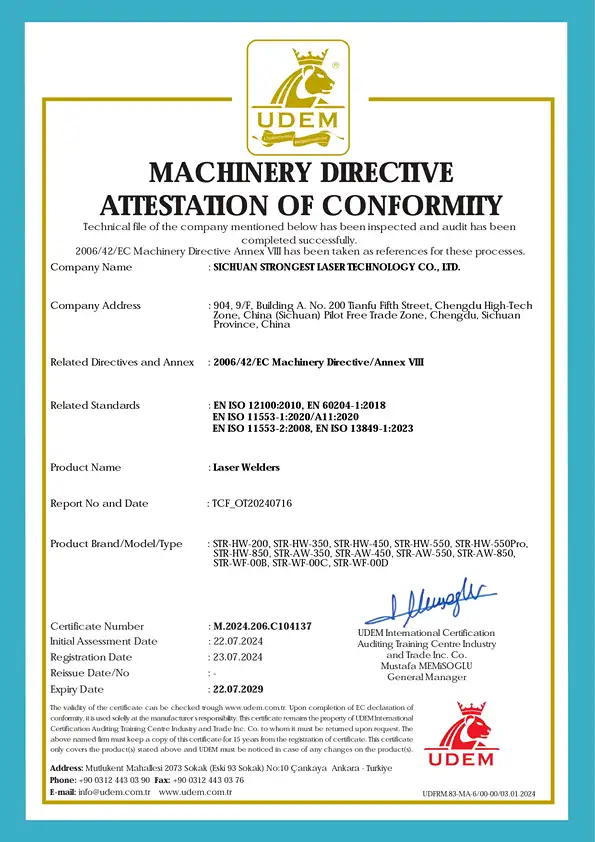
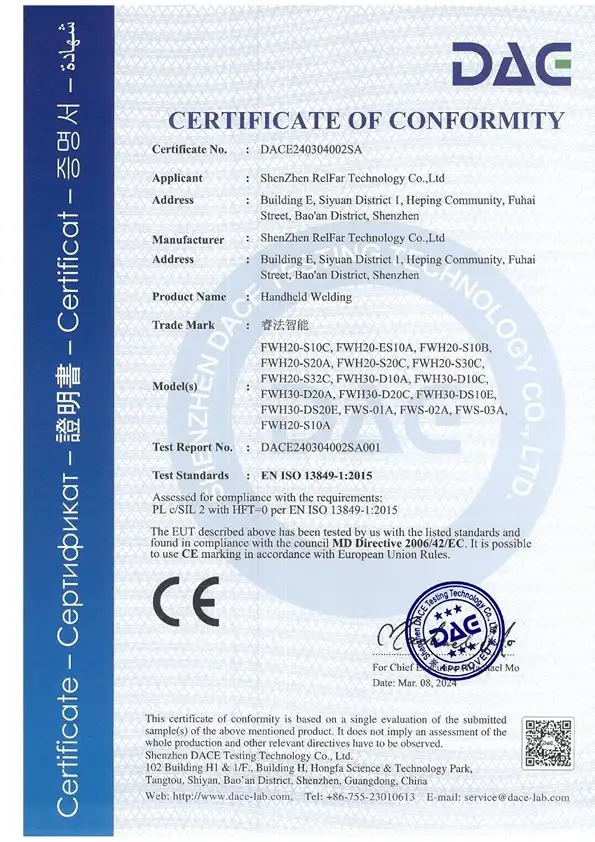
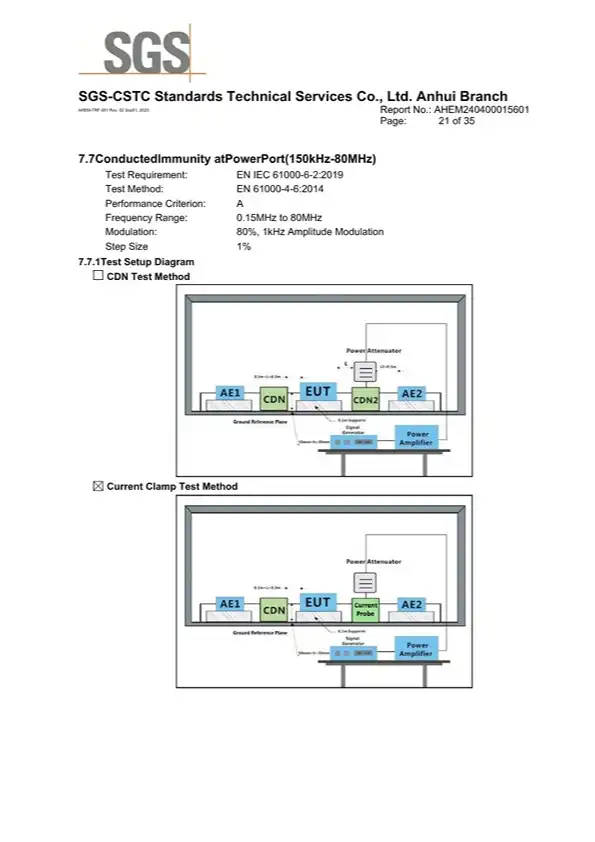
Certified to Global Leading Standards
Reliability starts at the core. The key components that power our equipment—from the laser source to even the smallest electronic components—have all been certified to meet the world’s most stringent international standards.
GLOBAL PARTNERSHIPS
Trusted by Industry Leaders Worldwide
We take pride in powering the success of top-tier global manufacturers, research institutions, and industrial leaders. Our advanced laser and testing solutions are trusted worldwide to deliver uncompromising quality and peak performance.









FAQ
Q1: Our biggest issue is warping on 2-meter long stainless countertops. Will laser welding fix this?
Absolutely. TIG welding transfers heat too slowly, causing the entire table to expand and buckle. Laser welding uses a highly focused, extremely fast beam that melts and freezes the joint instantly. The heat does not have time to spread, guaranteeing your large flat countertops remain perfectly straight without post-weld pressing.
Q2: We spend hours grinding TIG welds to meet health inspector standards. How does laser help?
Laser welding produces a nearly flush, spatter-free joint when the torch reaches. In many cases, specifically on inside corners of sinks or flat seams, the laser weld is so smooth that it dosen’t require any heavy grinding with abrasive wheels, allowing you to pass NSF visual inspections immediately.
3: Can a laser weld the complex inside corners of a deep-drawn commercial sink?
Yes.
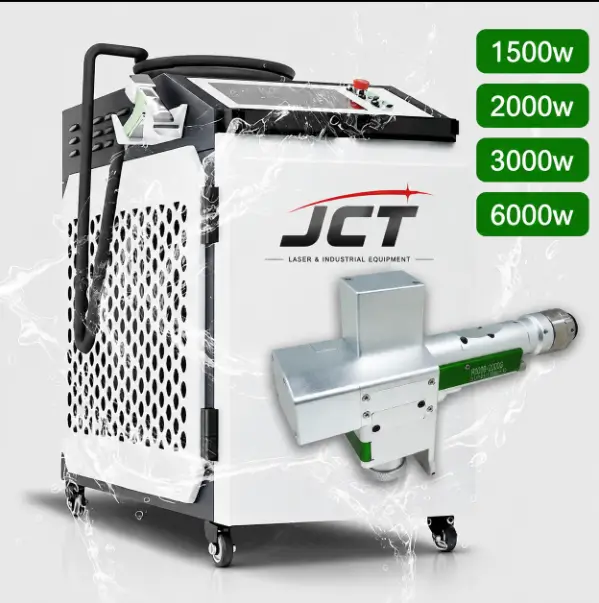
JCT handheld lasers come with specialized, lightweight copper nozzles designed specifically for inside corners, outside corners, and flat seams. The operator just needs simply rests the nozzle into the corner of the sink and pulls the trigger, creating a perfect, hygienic seal every time.
Q4: Do we still need to use toxic pickling paste to remove the black heat tint?
No.
The JCT 3-in-1 system replaces pickling paste entirely. Simply switch the machine to “Cleaning Mode” and sweep the laser beam over the weld. It instantly vaporizes the chromium-depleted oxidation, restoring the stainless steel’s natural anti-corrosion properties and bright silver finish without acid
Q5: Will the laser destroy our factory #4 brushed finish during the cleaning process?
No.
Laser cleaning is a photothermal process. Once the beam hits the bare metal, the light safely reflects off, leaving the original mechanical grain (whether brushed or mirror finish) completely intact.
Q6: What if our sheet metal bends aren't perfect and leave a gap? Do we use filler wire?
While autogenous (no-wire) welding is preferred for the flushest sanitary finish, real-world fabrication has gaps. Our JCT systems include an automatic, synchronized wire feeder. Combined with the laser’s “wobble” function, you can effortlessly bridge imperfect bends and gaps up to 1.5mm while maintaining a strong, clean joint.
Q7: Can we weld thinner gauges like 0.8mm for exhaust hood enclosures without burning through?
Yes.
Burning through thin metal is a major challenge in conventional arc welding.
Our welding equipment offers a range of power outputs from 700 W to 3,000 W. By selecting the appropriate power setting for different materials and thicknesses, there is absolutely no risk of burning through the material.
Q8: We pay a premium for experienced TIG welders. How hard is it to learn handheld laser welding?
Because the machine controls the heat input, the penetration depth, and the wire feed rate, the operator relies purely on guiding the nozzle. An entry-level worker with zero prior welding experience can learn to lay down food-grade, aesthetic weld seams in less than an hour of training.
Q9: What safety setup is required for a commercial kitchen fabrication shop?
You must utilize an enclosed welding booth with laser-safe walls or curtains to protect other workers in the factory from invisible reflected light.
Q10: How fast will a kitchen equipment manufacturer see a Return on Investment (ROI)?
Most commercial kitchen fabricators achieve a full ROI within 4 to 6 months.
This rapid payback is driven by a 4x increase in welding speed, the ability to utilize entry-level labor, the total elimination of time spent straightening warped tables, and cutting grinding/polishing labor by over 80%.
Related Products
Get a Factory-Direct Custom Quote
Stop wasting labor on straightening warped countertops and grinding bulky TIG welds.
Tell our application engineers about your specific kitchen products (e.g., sinks, hoods, prep tables) and material thicknesses. We will recommend the exact JCT laser configuration to upgrade your hygienic fabrication line, complete with a direct factory quote within 12 hours.