
The Fabrication Challenge
Stainless steel is prized for its corrosion resistance and aesthetic finish, but its thermal properties make it notoriously difficult to fabricate using traditional methods. TIG and MIG welding produce massive amounts of uncontrolled heat, and bring three catastrophic failures in high-end stainless fabrication
Severe Thermal Warping (Low Thermal Conductivity)
Stainless steel has a thermal conductivity approximately 30% lower than carbon steel, this means that large heat stays trapped at the joint. Combined with a high Coefficient of Thermal Expansion (CTE), this trapped heat will cause the metal to expand violently. On thin sheets (0.5mm – 2mm) used in kitchenware and medical enclosures, this results in severe buckling and it needs to take hours of mechanical pressing to correct.
Destruction of the Chromium Oxide Layer (Sensitization)
When stainless steel is heated between 425°C and 815°C for too long (a typical TIG Heat Affected Zone), carbon bonds with chromium form chromium carbides. This depletes the metal of its protective chromium layer, leaving the weld seam highly vulnerable to rust and chemical corrosion—a fatal flaw in food and medical processing equipment.
The Toxicity of Pickling Pastes
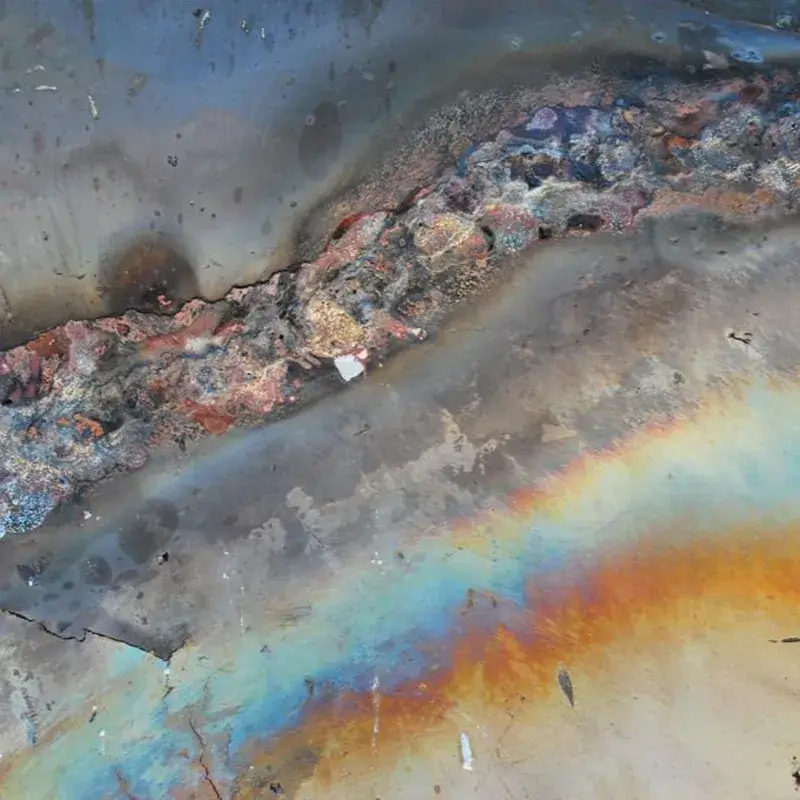
Traditional welding leaves a dark, oxidized “heat tint.” To restore the anti-corrosion properties and aesthetic look, fabricators must scrub the seams with hydrofluoric and nitric acid (pickling paste). This process is highly toxic, hazardous to workers, requires expensive chemical disposal, and completely destroys the surrounding brushed or mirror finish.
Why Stainless steel Need laser welding?
Pre-Weld Laser dealing
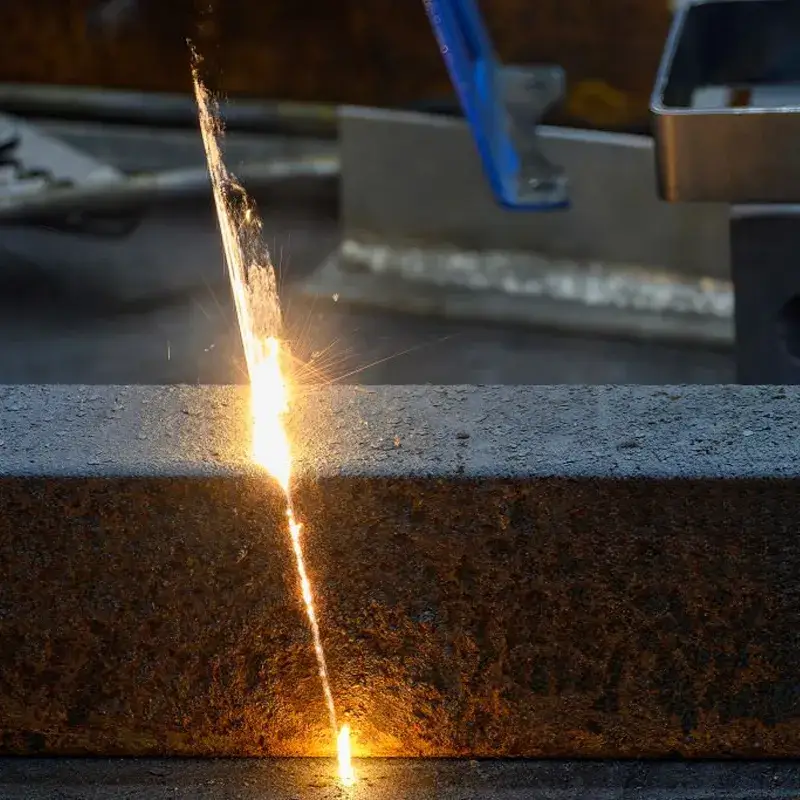
Stamping oils and fingerprints on stainless steel introduce porosity into the weld pool. Using the JCT cleaning mode, high-frequency laser pulses instantly vaporize surface hydrocarbons. After calibrated ,the beam can reflect off the bare stainless steel, completely preserving your expensive brushed or #8 mirror finish
Low-Heat Keyhole Welding
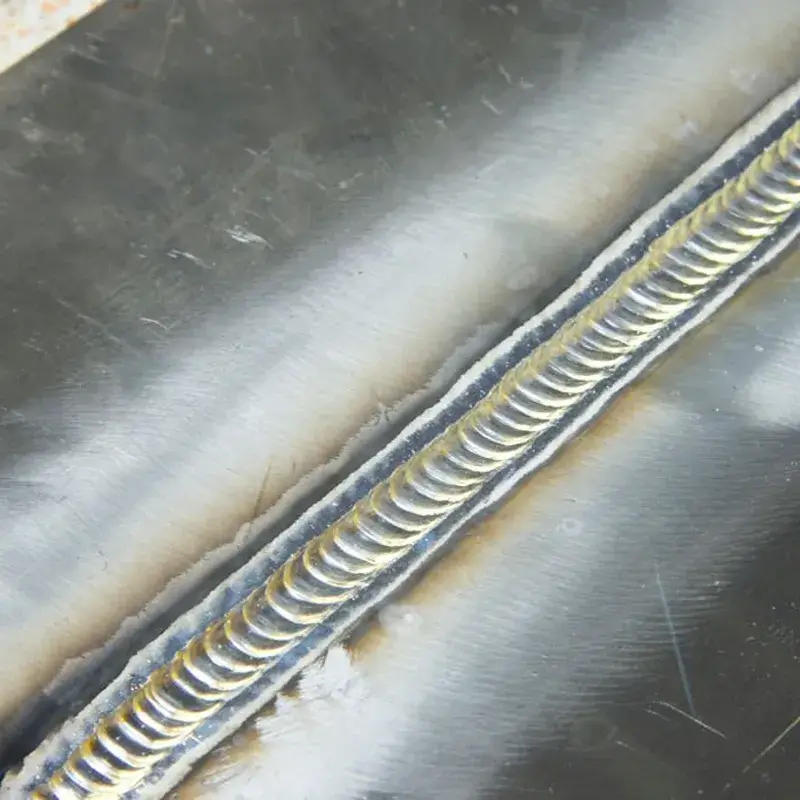
Switch to welding mode. The continuous wave (CW) laser penetrates the metal instantly, creating a microscopic keyhole. Welding speeds can reach up to 120 cm/min. Because the energy is applied and removed in milliseconds, the heat cannot spread. Your 1.2mm stainless cabinets and sinks are welded flawlessly with absolutely zero thermal distortion.
Instant Laser Passivation (Heat Tint Removal)
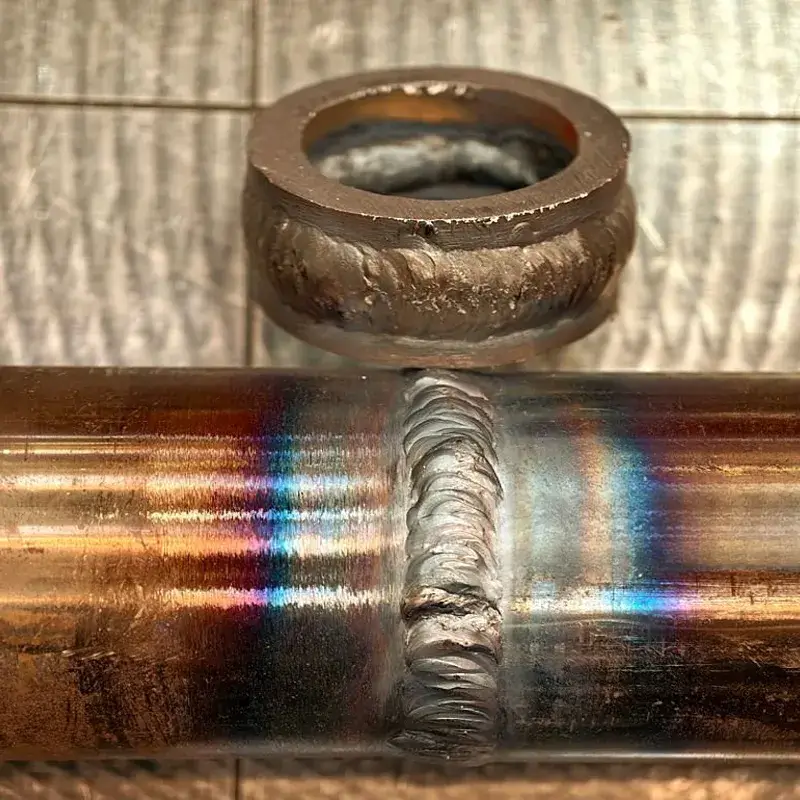
If a slight oxidation layer (heat tint) forms during welding, do not reach for the toxic pickling paste. The JCT 3-in-1 system switches back to cleaning mode in seconds. A quick pass of the laser beam vaporizes the chromium-depleted oxide layer, instantly restoring the bright, passivated silver finish. The part is ready for final packaging immediately.
Tailored Solutions for Stainless steel Fabrication
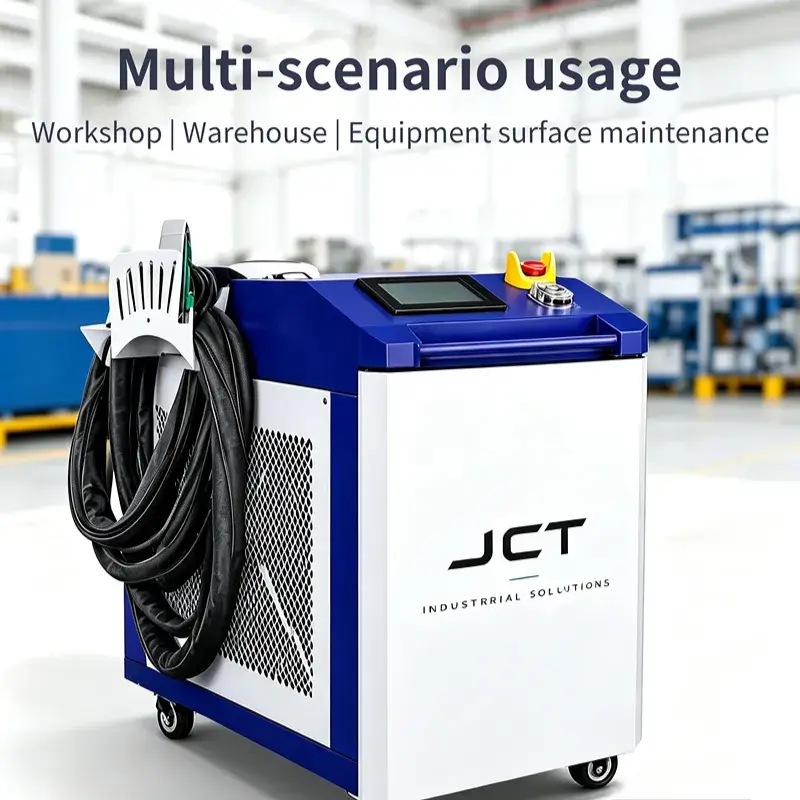
Commercial kitchenware, custom medical enclosures, and architectural stainless steel.
Seamlessly switch between zero-distortion welding and instant heat-tint cleaning. Empowers entry-level workers to produce master-class level welds on thin stainless on first day
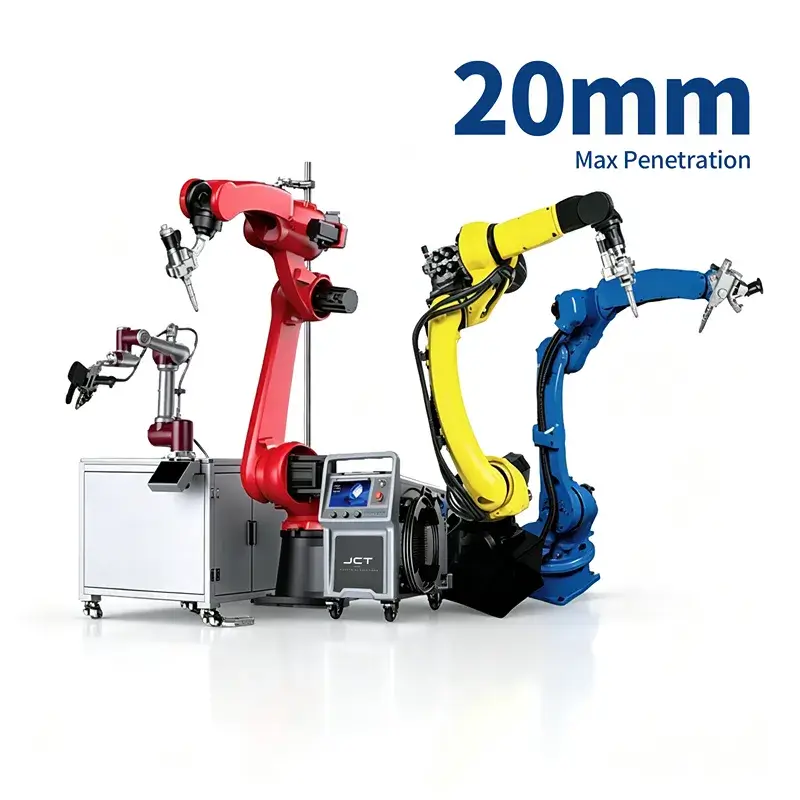
High-volume stainless steel tanks,plates, pipes, and mass-produced food processing machinery.
Matching our high-power continuous wave (CW) lasers with 6-axis robotics for 24/7 flawless, repeatable penetration. Eliminates manual inconsistencies and ensures every joint passes strict X-ray and hydrostatic testing.
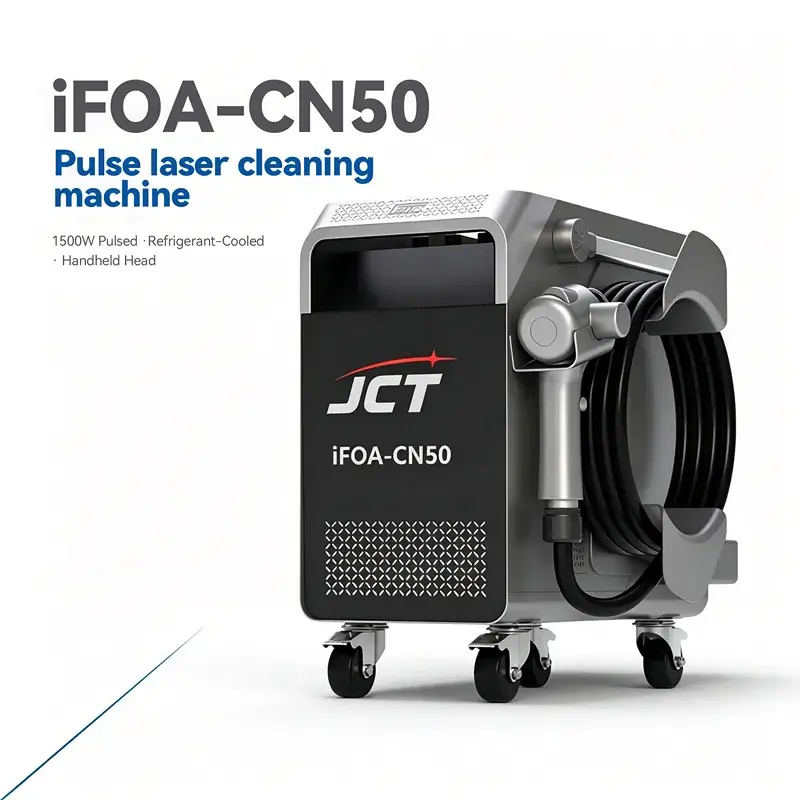
Standalone surface restoration and heavy oxidation removal
Uses short nanosecond pulses to strip heavy oxides and contaminants without adding heat to the substrate. Perfect for restoring aged stainless steel stock or preparing large surface areas for sterile environments.
Ideal for restoring aged sheet metal stock.
SUCCESS CASES
Trusted by Manufacturers Worldwide
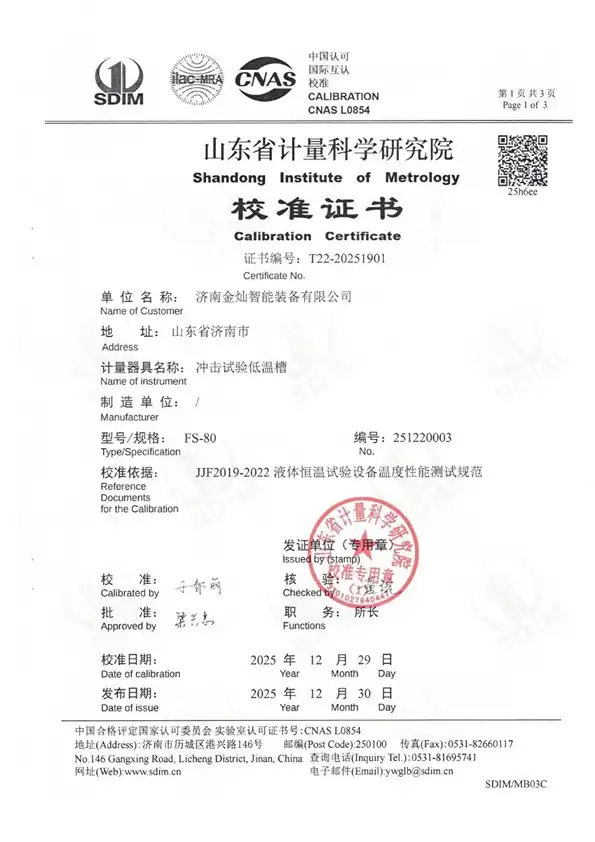
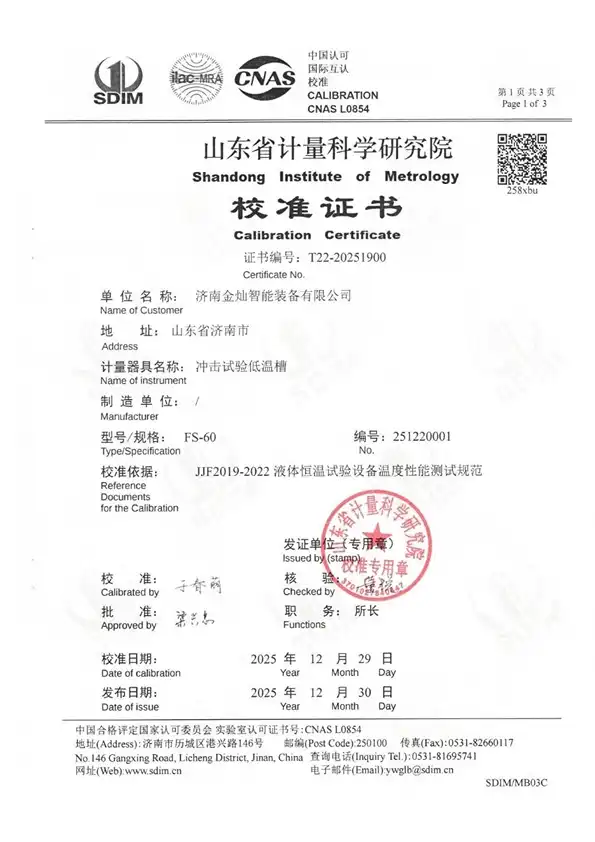
From streamlining sheet metal production lines to ensuring automotive sensor components pass rigorous high- and low-temperature and humidity environmental tests, our solutions are helping customers around the world boost production efficiency and improve quality. Learn how we help our customers overcome their toughest manufacturing and testing challenges.
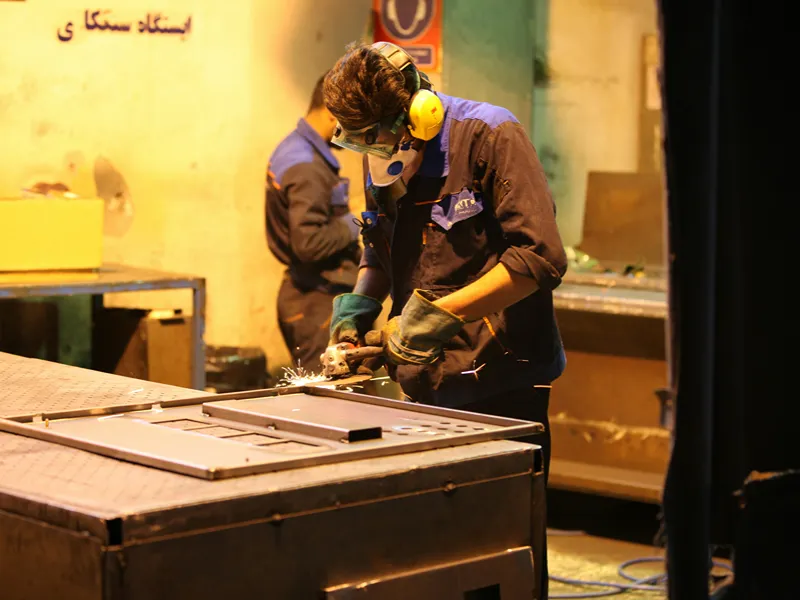
Discover how an Australian manufacturer used our laser solutions to solve the problem of recruiting skilled welders and completely eliminate the need for post-welding secondary grinding
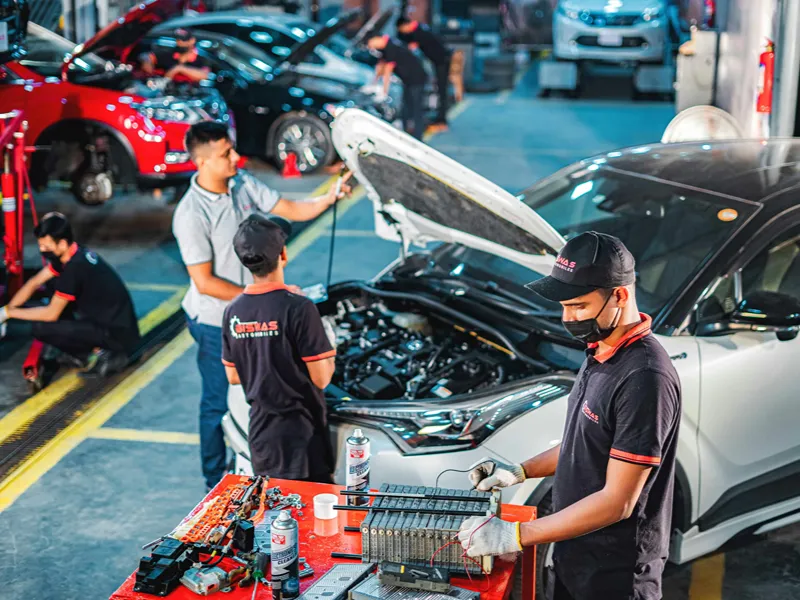
See how a Tier-2 supplier from North America used our temperature shock chamber to pass strict automotive certifications and secure a global contract
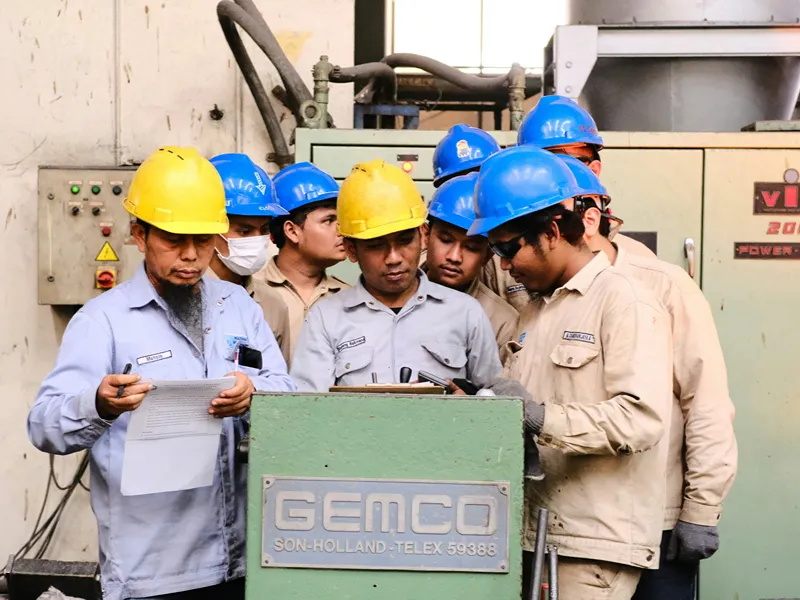
Learn how an electrical cabinet manufacturer from Dubai ,used our industrial laser welders to eliminate weld spatter and thermal distortion, then their electrical cabinet products achieved a 100% first-pass yield rate and successfully passed IP66 outdoor certification.
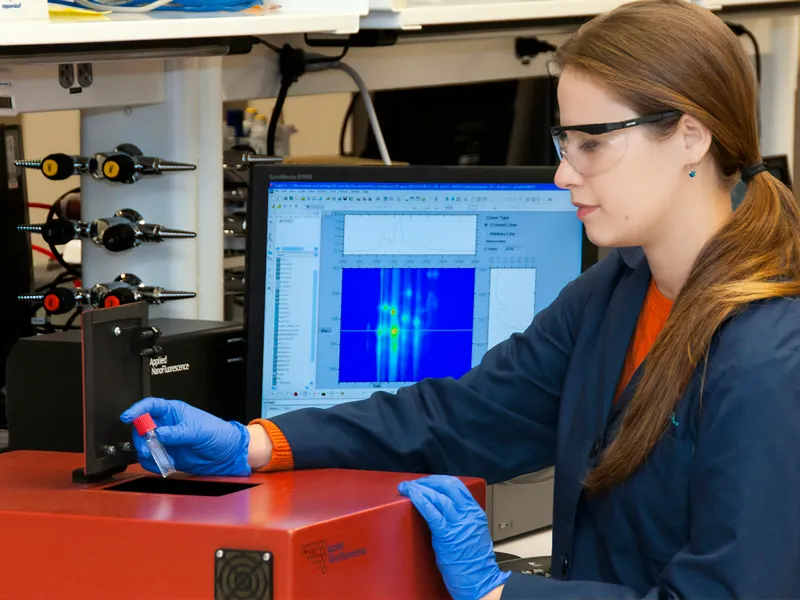
Learn how a Southeast Asian smart home brand used our environmental chamber to conduct accelerated aging tests, optimize PCB coatings, and significantly reduce their global return rate.
PREMIUM COMPONENTS ASSURANCE
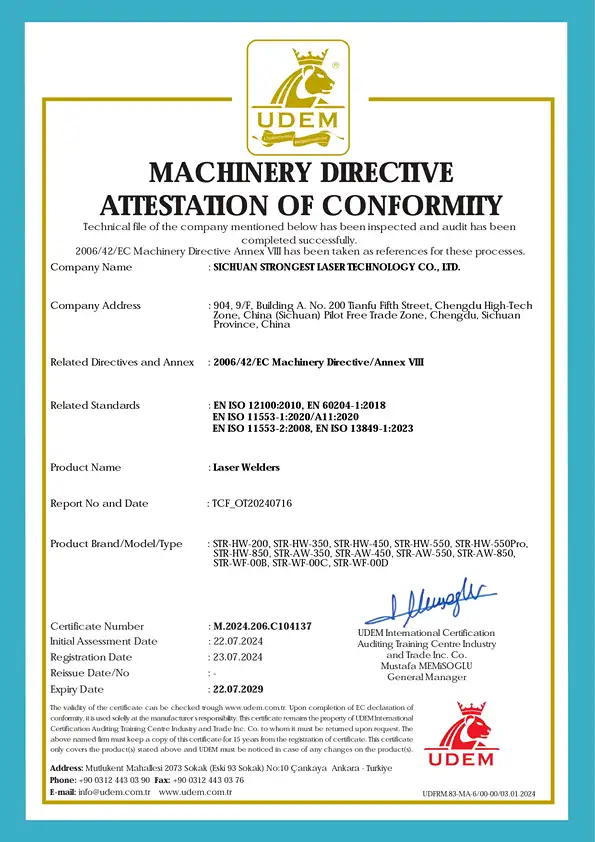
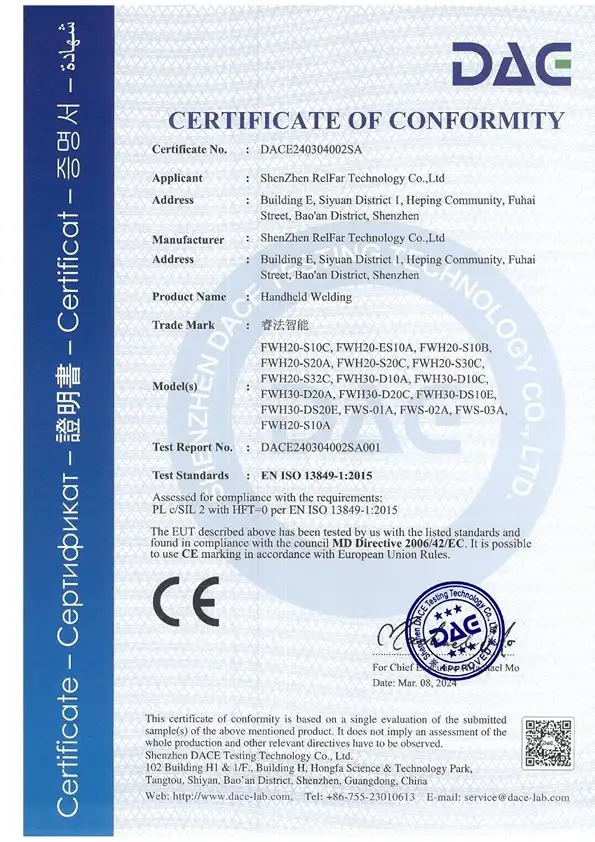
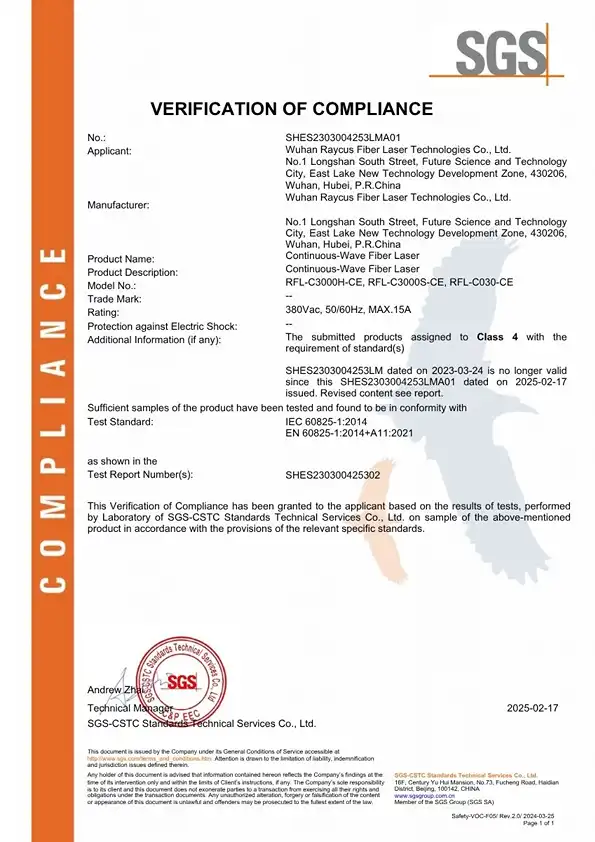
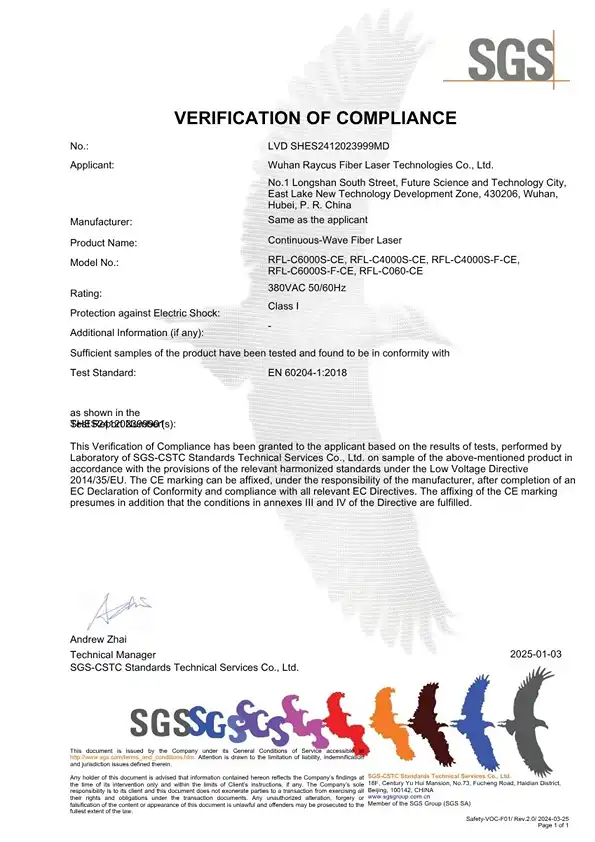
Certified to Global Leading Standards
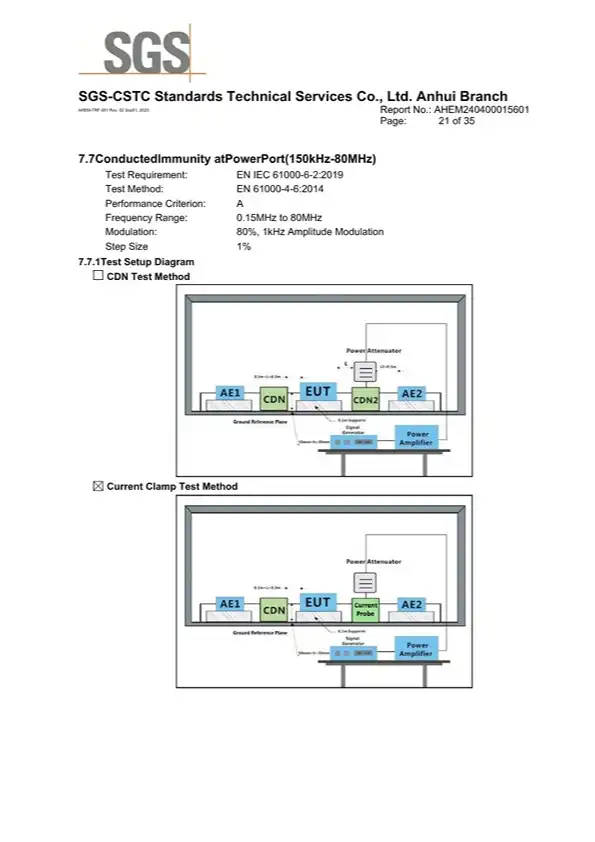
Reliability starts at the core. The key components that power our equipment—from the laser source to even the smallest electronic components—have all been certified to meet the world’s most stringent international standards.
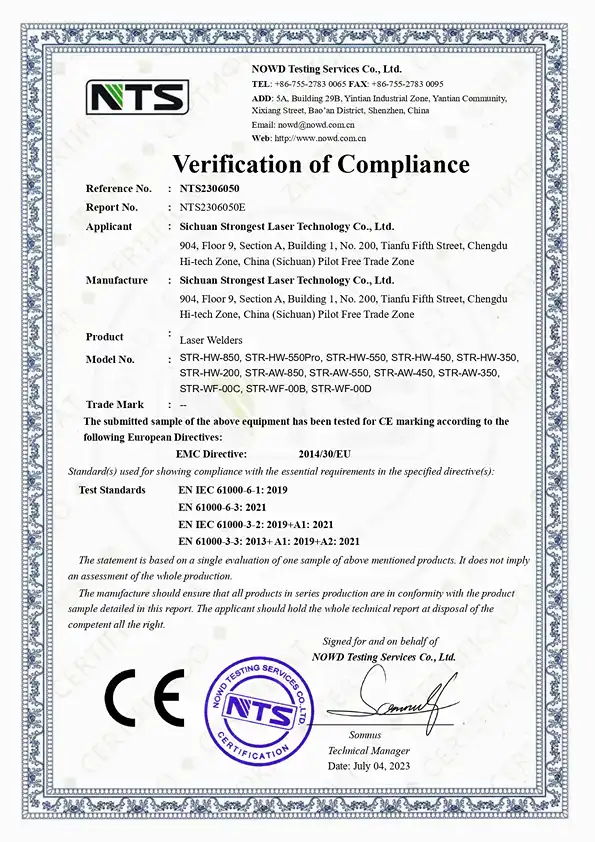
GLOBAL PARTNERSHIPS
Trusted by Industry Leaders Worldwide
We take pride in powering the success of top-tier global manufacturers, research institutions, and industrial leaders. Our advanced laser and testing solutions are trusted worldwide to deliver uncompromising quality and peak performance.









FAQ
Q1: We struggle with 1mm stainless steel warping under TIG welding. Will a laser fix this?
Yes
TIG spreads heat slowly across the panel, causing violent expansion and buckling. Fiber lasers utilize a highly concentrated “keyhole” effect that instantly melts and freezes a microscopic spot. The heat simply does not have time to spread, guaranteeing your 1mm enclosures remain perfectly flat.
Q2: We use brushed (#4) and mirror (#8) finish stainless. Will laser cleaning destroy the aesthetic finish?
No.
Unlike angle grinders or sandblasting that physically scratch the metal, laser cleaning is a photothermal process. When configured correctly, the light energy vaporizes only the dark heat tint and contaminants, reflecting safely off the underlying polished or brushed stainless steel, leaving the original grain completely intact.
Q3: How exactly does the laser remove the rainbow oxidation (heat tint) without chemicals?
The dark rainbow tint is a very thin, chromium-depleted oxide layer. In cleaning mode, our laser delivers rapid, high-intensity pulses of light. This oxide layer absorbs the light and instantly vaporizes (ablates) into a micro-plasma. It leaves behind pure, bare stainless steel ,and ithe stanless steel immediately reacts with ambient oxygen to naturally re-passivate.
Q4: Do we still need to use toxic pickling paste (hydrofluoric acid) after laser welding?
No
Because laser welding introduces far less heat, the resulting heat tint is minimal. A quick pass with the same machine in laser cleaning mode removes this tint perfectly, completely eliminating the need for hazardous pickling chemicals and wastewater disposal.
Q5: What type of shielding gas is required for laser welding stainless steel?
For the brightest, cleanest aesthetic welds on stainless steel, high-purity Argon (99.99%) or Nitrogen is required. Nitrogen is often preferred as it can slightly improve the mechanical properties and pitting corrosion resistance of austenitic stainless steels (like 304 and 316L) while being highly cost-effective
Q6: We weld everything from 0.8mm panels to 5mm structural brackets. Can one machine do both?
Yes.
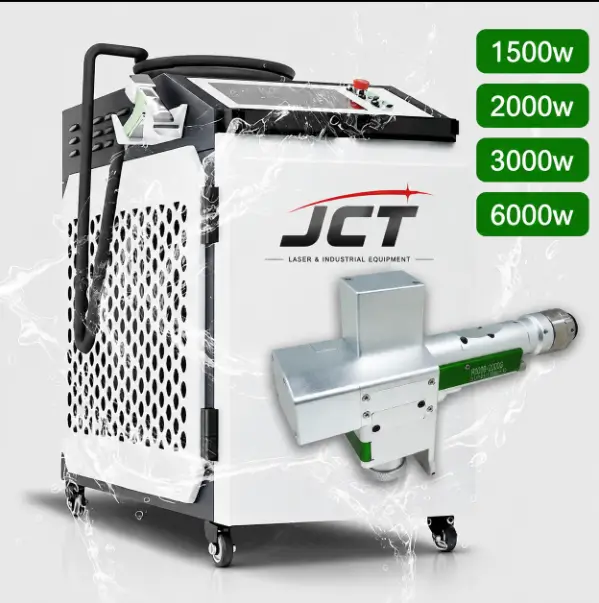
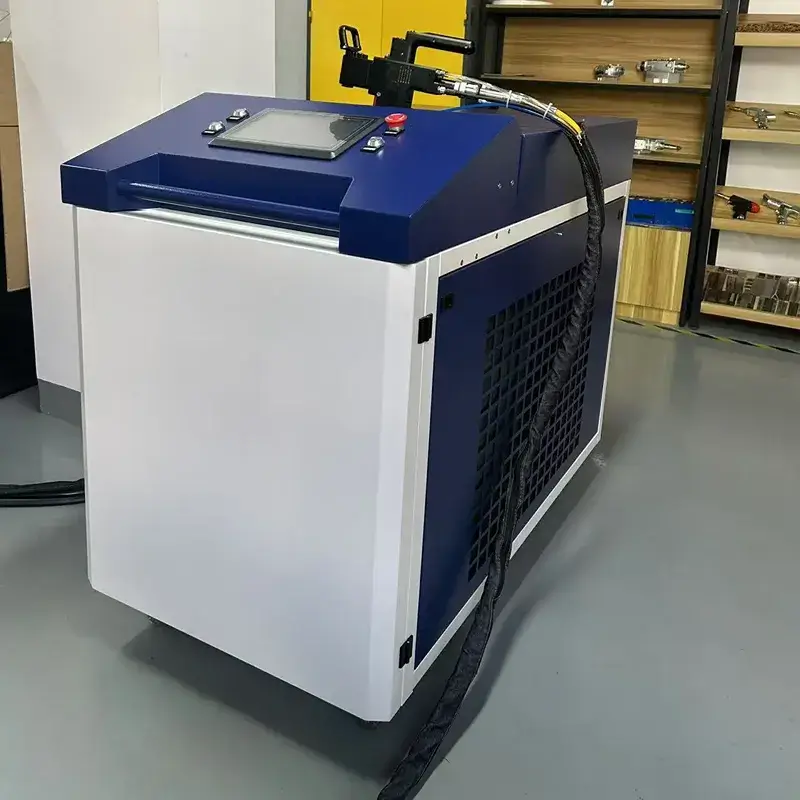
JCT offers welding power options ranging from 700W to 3000W. For 0.8-millimeter-thick sheet metal, you can choose a 700W refrigerant-cooled handheld welder; for 5-millimeter-thick sheet metal, a 2000W water-cooled laser welder would be a better choice
Q7: How difficult is it for the operator to switch from welding to cleaning mode?
It is an instant, tool-less changeover. The operator simply twists off the copper welding nozzle, screws on the wider cleaning focus lens, and taps the “Cleaning Mode” preset on the digital touchscreen. The entire transition takes less than 60 seconds.
Q8: We currently pay premium wages for master TIG welders. How does laser change our labor costs?
TIG requires years of work experience to feed wire and control heat simultaneously. Handheld laser welding is a semi-automated process; the machine controls the heat and feeds the wire automatically. You can train an entry-level worker to produce X-ray quality sanitary welds in a single afternoon, drastically reducing your dependency on expensive, scarce skilled labor
Q9: What is the ROI timeline for a commercial kitchen or medical equipment fabricator?
Fabricators in these high-end sectors typically see a full Return on Investment within 4 to 8 months.
The ROI is driven by welding speed 4x faster , completely eliminating straightening warped panels time, entirely removing the labor of grinding/polishing, and cutting the costs associated with hazardous pickling chemical disposal.
Related Products
Get a Factory-Direct Custom Quote
Tell our application engineers about your specific stainless steel grades (e.g., 304, 316L), material thicknesses, and current finishing bottlenecks. We will recommend the exact JCT laser configuration to eliminate your post-weld grinding and pickling, complete with a direct factory quote within 12 hours