
Aesthetic Laser Welding & Cleaning for Elevator Components
JCT offers a one-stop laser processing solution capable of creating flawless, invisible seams for lift car bodies, door frames and door panels. This completely eliminates issues such as penetration of the A-surface, panel warping and damage to the mirror finish.
The Fabrication Challenge
Manufacturing passenger elevators Fabricating mainly use cab panels, Car Operating Panels (COP), and landing doors out of thin (1.2mm – 2.0mm) hairline or mirror stainless steel ,all of them create a massive challenge for traditional MIG, TIG, and spot welding
"Read-Through" on Decorative A-Sides
To make thin elevator panels rigid, fabricators must weld U-channel stiffener ribs to the back (the B-side). Traditional spot welding or TIG welding pushes so much heat into the metal that it melts all the way through, leaving dark oxidation marks, dimples, or raised bumps on the highly visible decorative front face (the A-side). This ruins the luxury finish and results in immediate rejection by developers.
Warping of Architraves and Doors
Elevator doors must slide perfectly within millimeter-tight tracks. TIG welding the corners of architraves (door frames) or door panels causes violent thermal expansion. The resulting warpage leads to doors that jam, scrape, or look wavy and cheap under the bright lights of a building lobby.
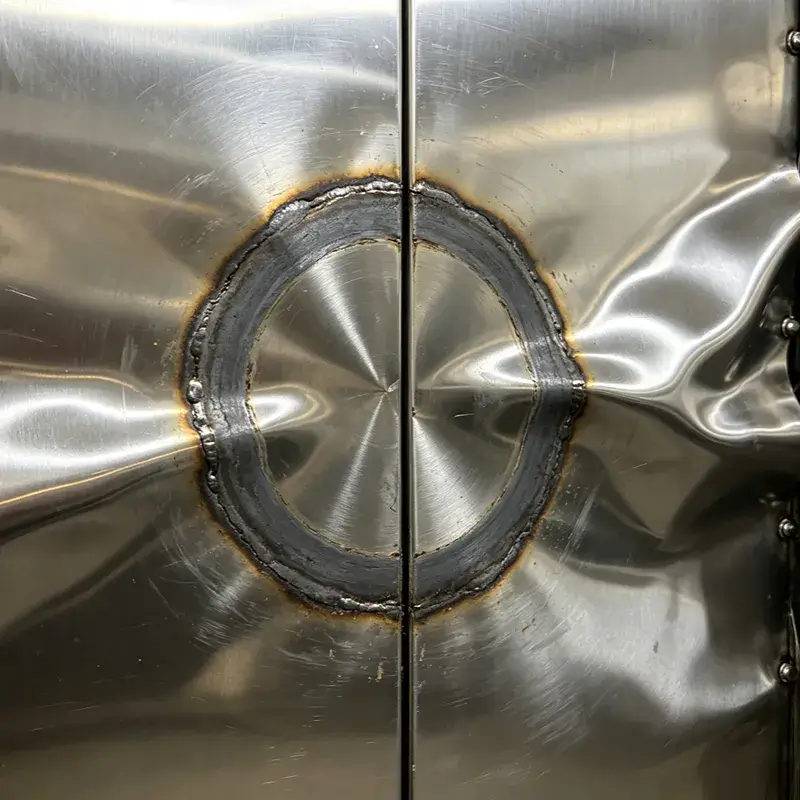
Destruction of Factory Finishes (Hairline & Mirror)
When TIG welding leaves a bulky, discolored bead on an architrave corner, workers must grind it flat. Using abrasive wheels on #4 hairline, #8 mirror, or titanium-coated stainless steel completely destroys the factory grain. It is virtually impossible to manually re-polish a corner to match the exact machine-made grain of the rest of the elevator cab
Why Elevator Need laser welding?
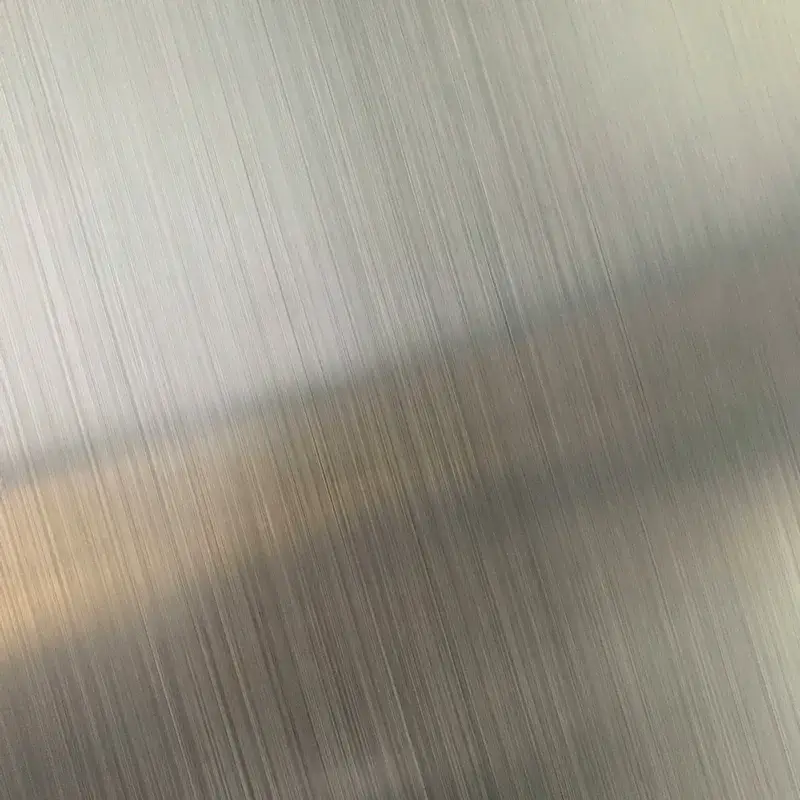
Pre-Weld Adhesive & Oil Ablation
Elevator stainless steel arrives covered in protective PVC films. When peeled back for welding, invisible glue residue remains, this causes nasty weld porosity. Switch the JCT system to cleaning mode. The laser instantly vaporizes glue, fingerprints, and drawing oils along the joint, ensuring a metallurgically pure weld pool without using chemical solvents
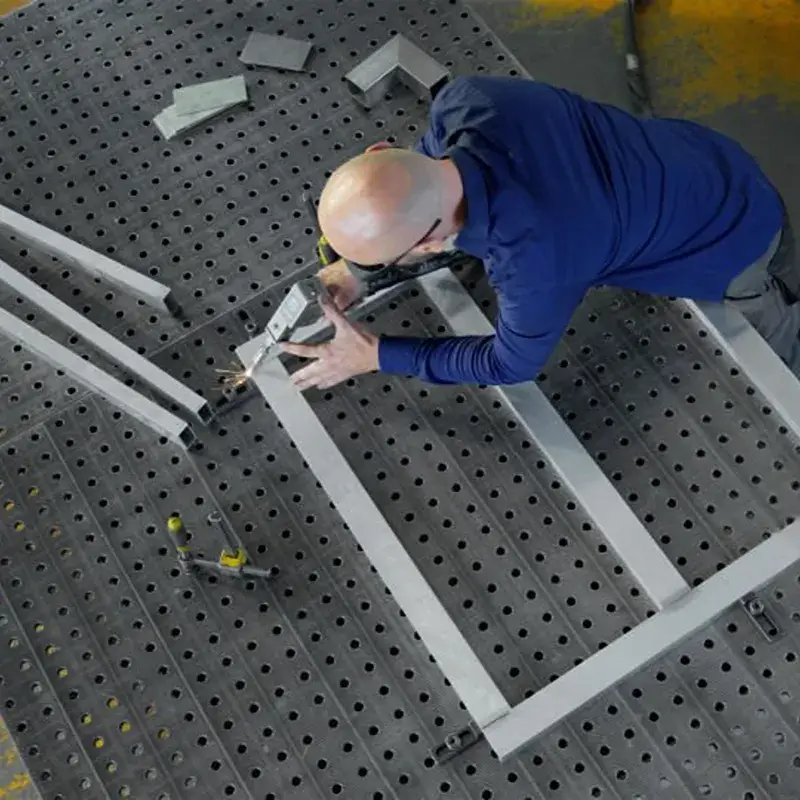
Zero-Mark Stiffener Welding
Switch to welding mode to attach stiffener channels to the back of the cabin panels. Using strictly controlled laser parameters, the beam melts exactly 60% to 80% into the base sheet. It fuses the stiffener securely but stops before the heat reaches the decorative A-side. The result is that A rigid panel with a completely flawless, untouched mirror finish on the front.
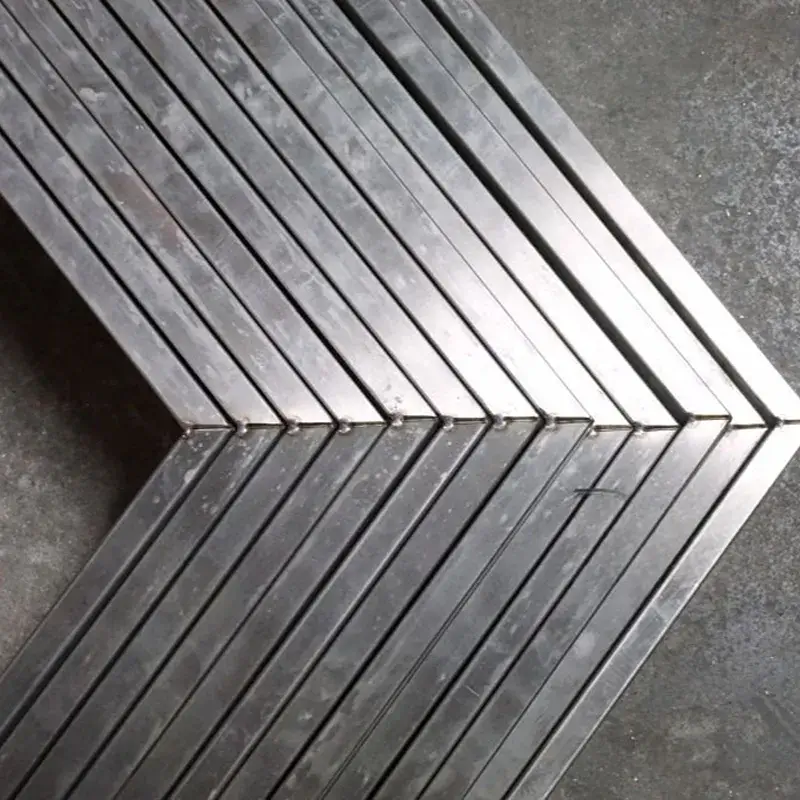
Non-Destructive Architrave Passivation
When welding the visible outside corners of door frames (architraves), a slight heat tint may occur. Instead of using a grinder that destroys the hairline grain, switch back to cleaning mode. The laser gently ablates the oxidation. Because it is light-based, it removes the discoloration while leaving the factory mechanical grain 100% intact
Laser Solutions for Elevator Manufacturers
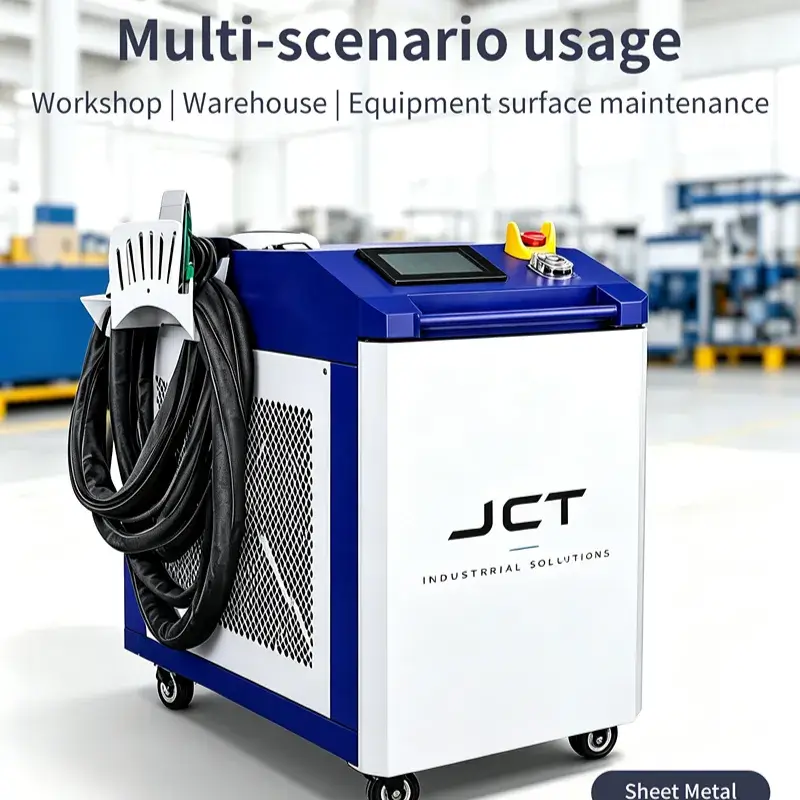
Custom Car Operating Panels (COP), bespoke cabin handrails, complex architrave corners, and low-volume architectural cabs.
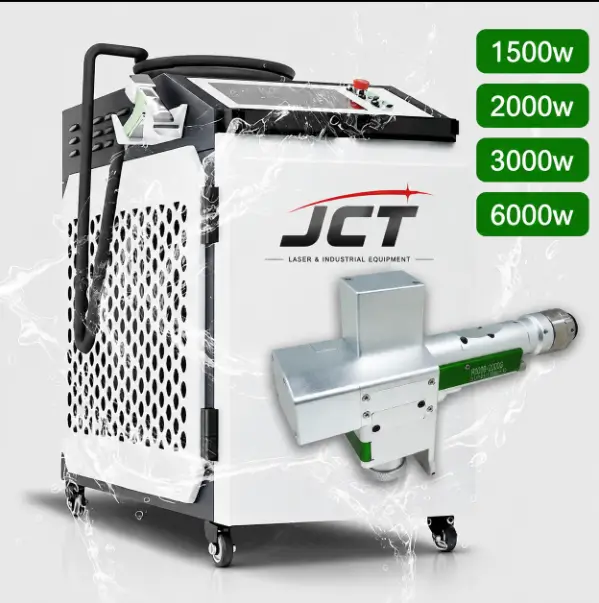
Ideal tool for custom elevator interiors. Allows an operator to flawlessly weld visible hairline stainless corners without bulky spatter. The instant switch to cleaning mode easily removes minor heat tint without utilizing abrasive pads that ruin the aesthetic grain.
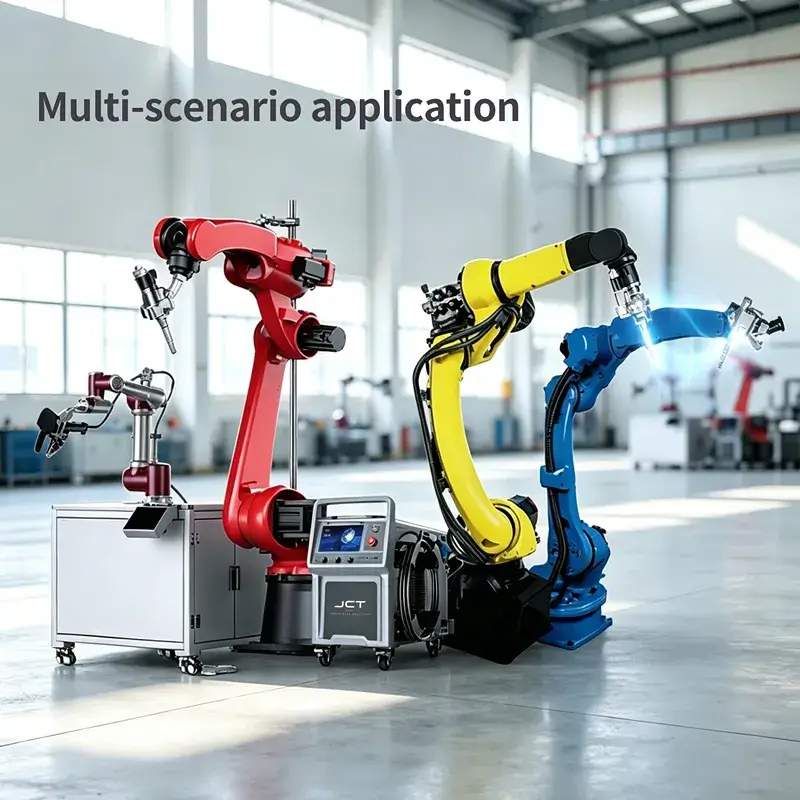
High-volume mass production of standardized landing doors, cabin wall panels, and automated stiffener rib attachment
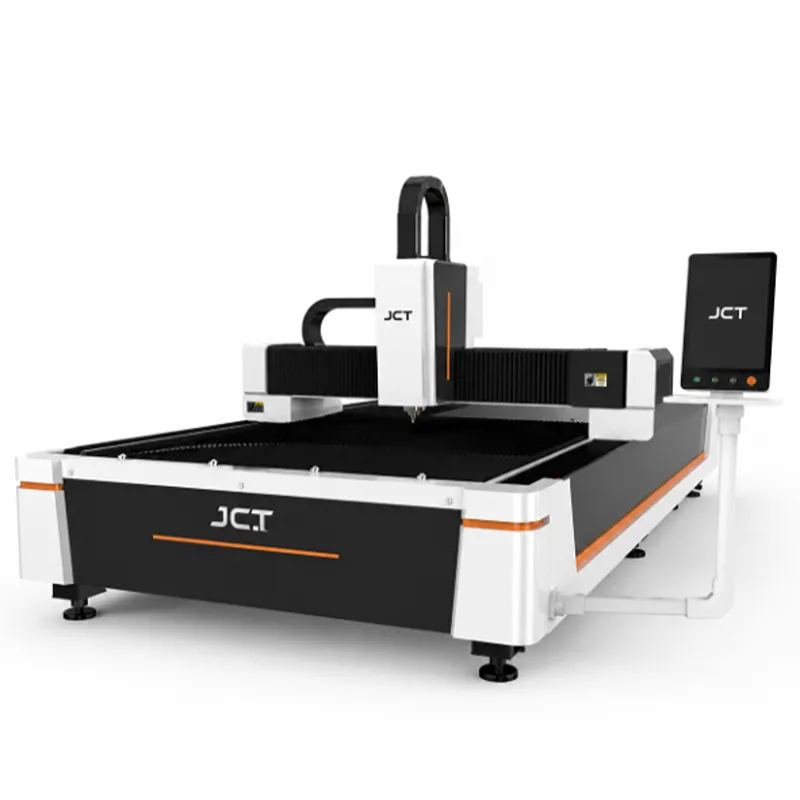
Integrates our continuous wave (CW) lasers with large-gantry robotics. Programmed for absolute penetration control, it welds thousands of stiffener ribs 24/7 with zero A-side read-through. Eliminates the panel warping associated with manual TIG, ensuring every door slides flawlessly on its tracks.
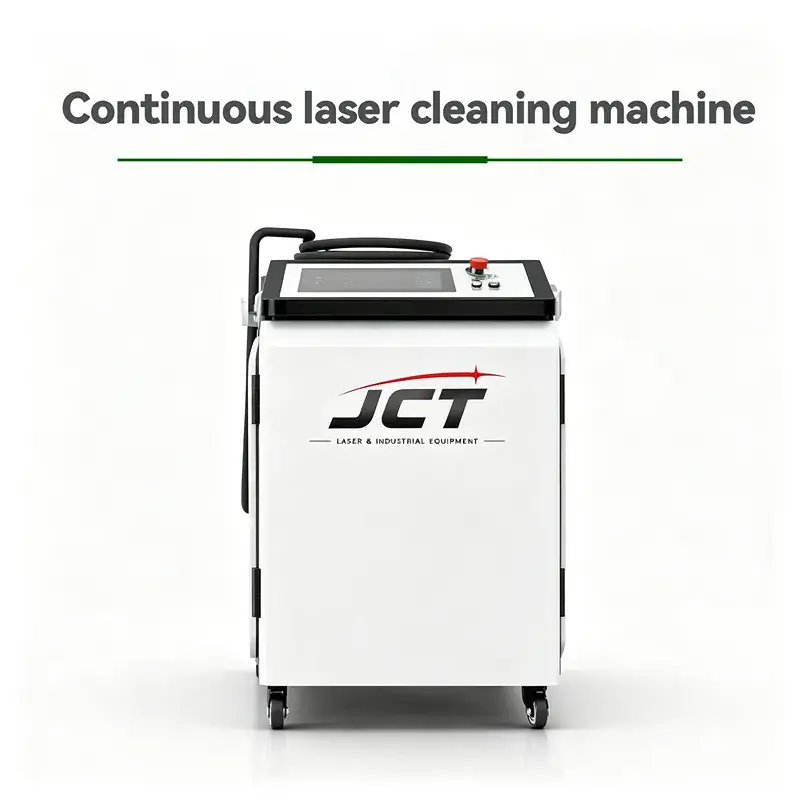
Non-destructive removal of deep oxidation, laser-cutting slag, or adhesive residues on etched and PVD-coated luxury panels
It is completely contact-free, meaning it will never scratch or dull mirror-finish stainless steel, titanium-coated panels, or intricate etched patterns, ensuring pristine luxury surfaces.
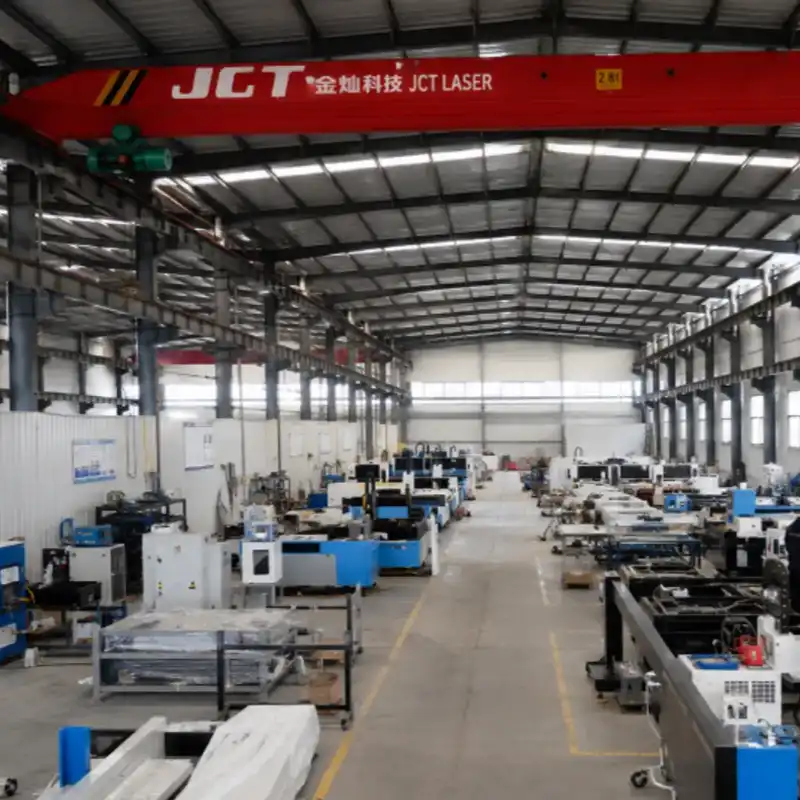
WHO WE ARE?
Manufacturingthe Future of Laser Fabrication & Quality Control.
With over 10 years of industry expertise, we have grown into a trusted source for industrial laser welding & fabrication processing systems and precision environmental testing equipment.
At JCT, we not only build machines; but also build reliability.
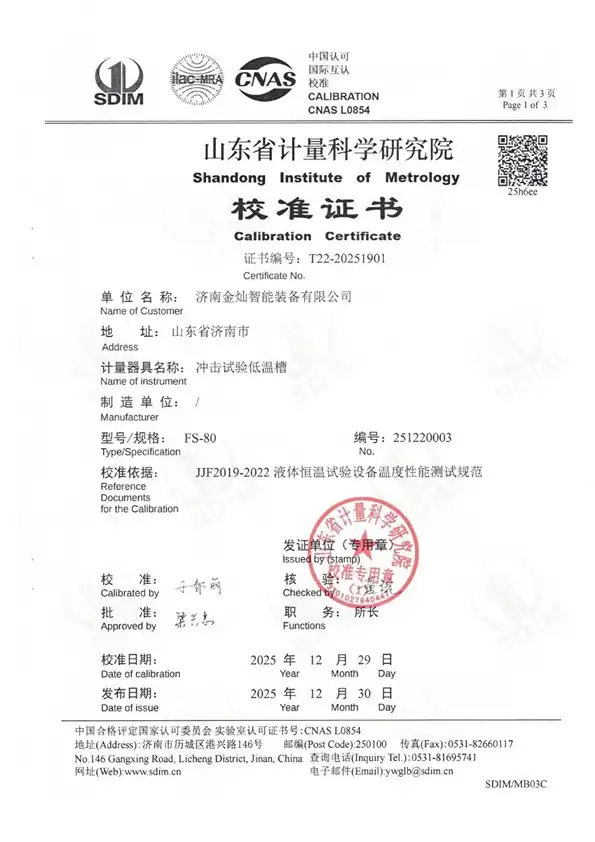
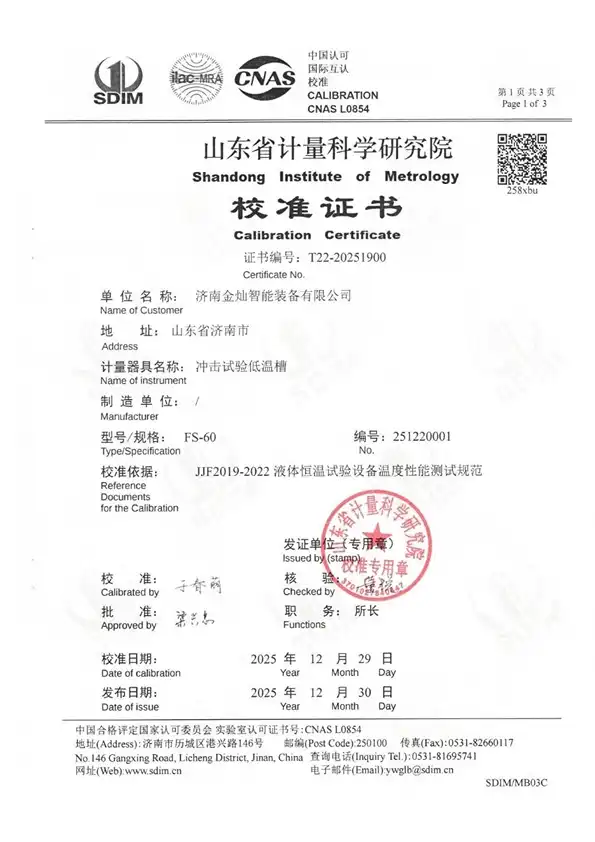
From rapid metal fabrication to simulating extreme -40°C climates for your material testing,we ensure every set of equipment meets strict global standards.
We are committed to accelerating your R&D cycles and safeguarding your brand’s reputation with robust, factory-direct solutions.
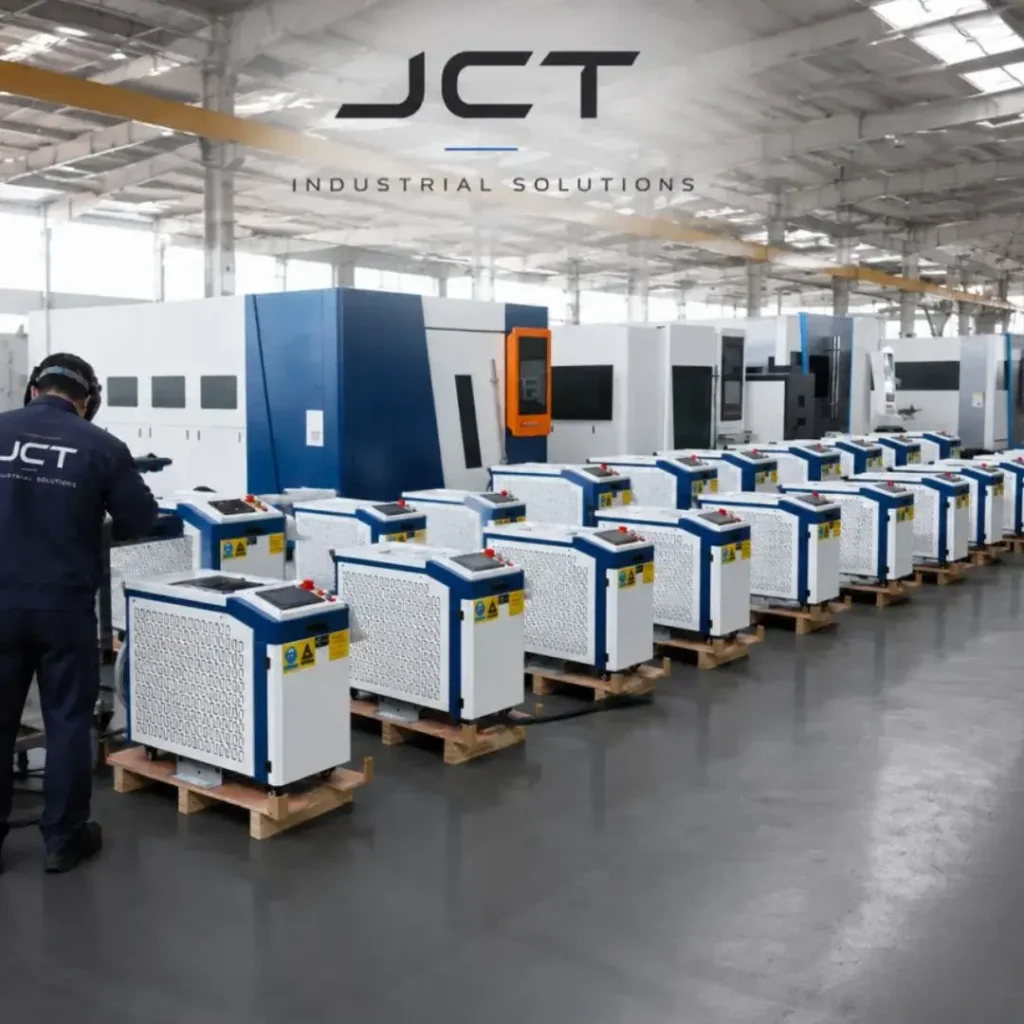
SUCCESS CASES
Trusted by Manufacturers Worldwide
From streamlining sheet metal production lines to ensuring automotive sensor components pass rigorous high- and low-temperature and humidity environmental tests, our solutions are helping customers around the world boost production efficiency and improve quality. Learn how we help our customers overcome their toughest manufacturing and testing challenges.
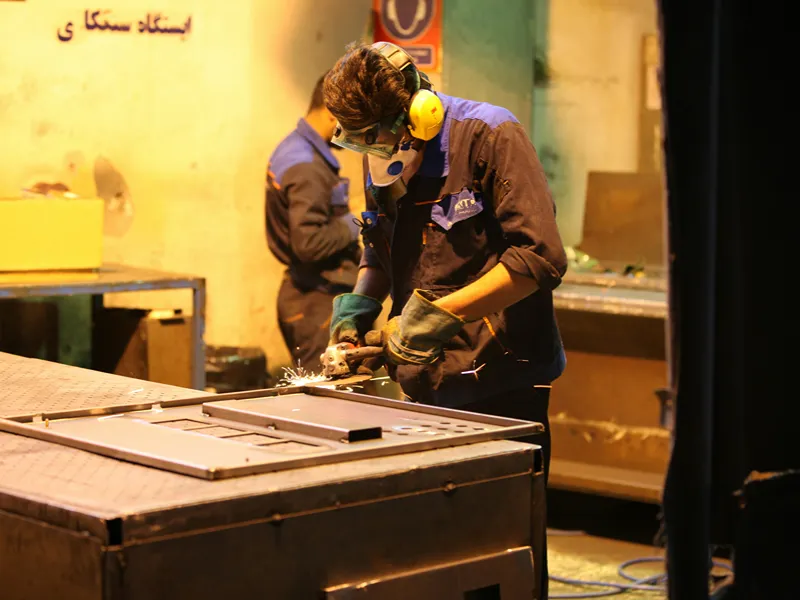
Discover how an Australian manufacturer used our laser solutions to solve the problem of recruiting skilled welders and completely eliminate the need for post-welding secondary grinding
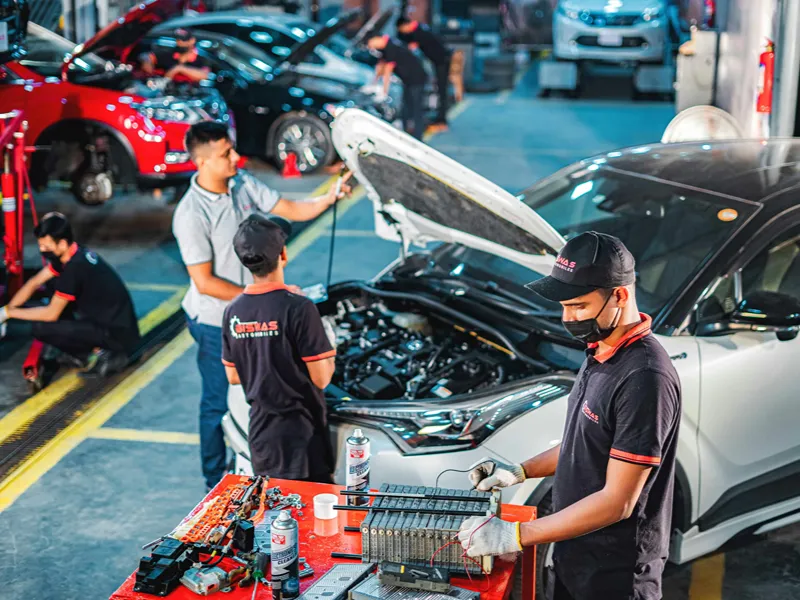
See how a Tier-2 supplier from North America used our temperature shock chamber to pass strict automotive certifications and secure a global contract
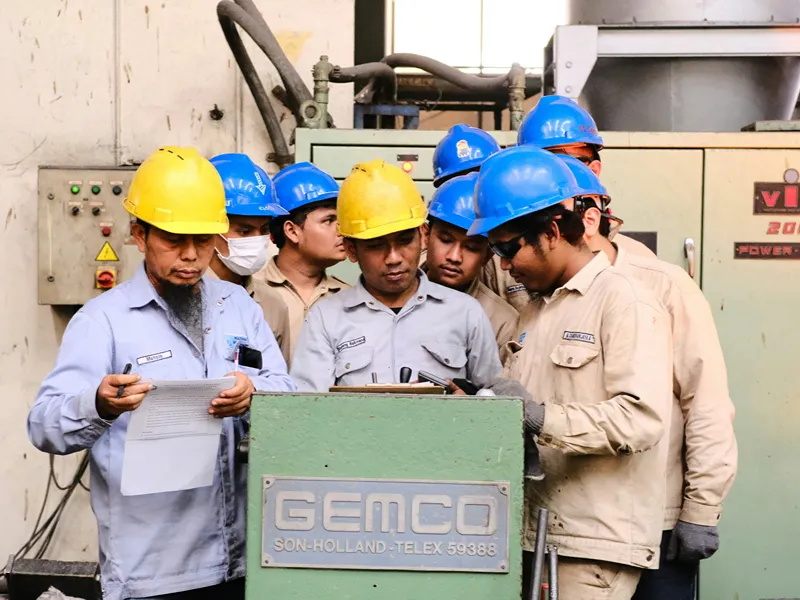
Learn how an electrical cabinet manufacturer from Dubai ,used our industrial laser welders to eliminate weld spatter and thermal distortion, then their electrical cabinet products achieved a 100% first-pass yield rate and successfully passed IP66 outdoor certification.
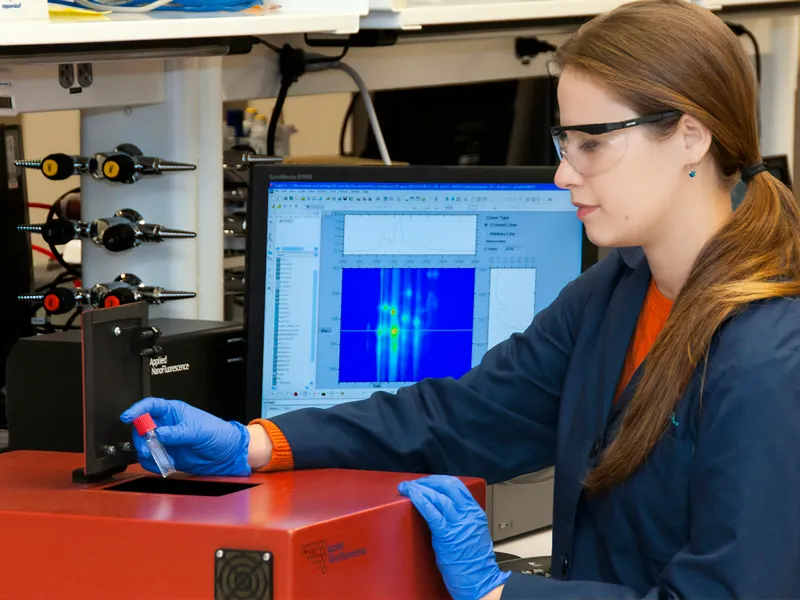
Learn how a Southeast Asian smart home brand used our environmental chamber to conduct accelerated aging tests, optimize PCB coatings, and significantly reduce their global return rate.
PREMIUM COMPONENTS ASSURANCE
Certified to Global Leading Standards
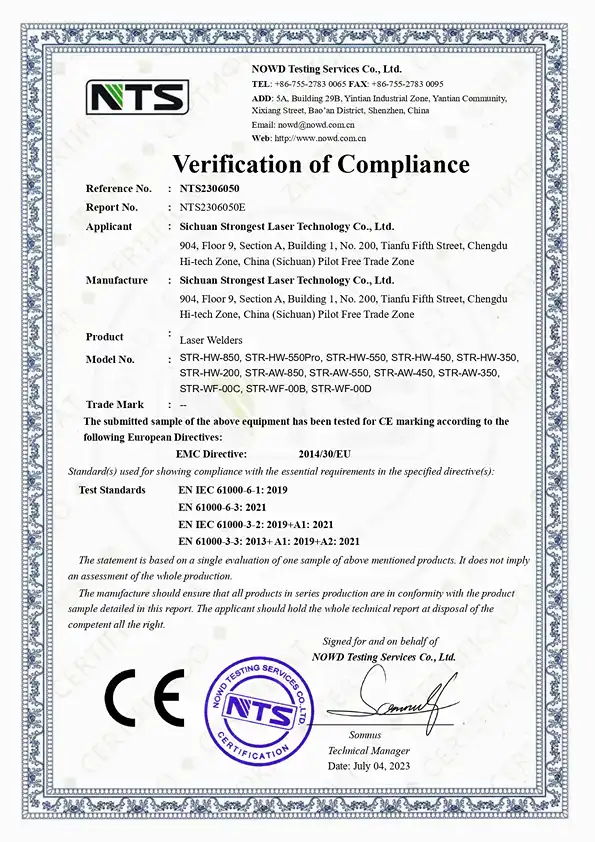
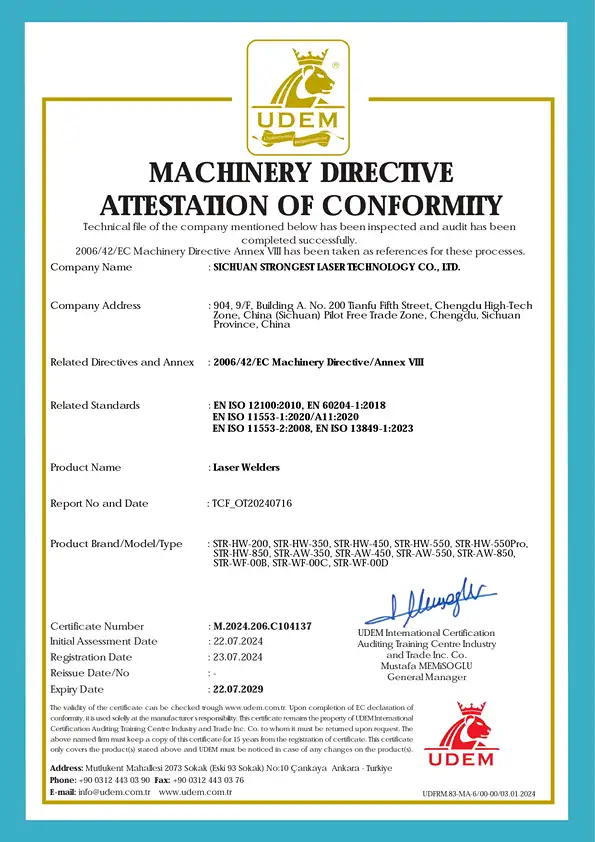
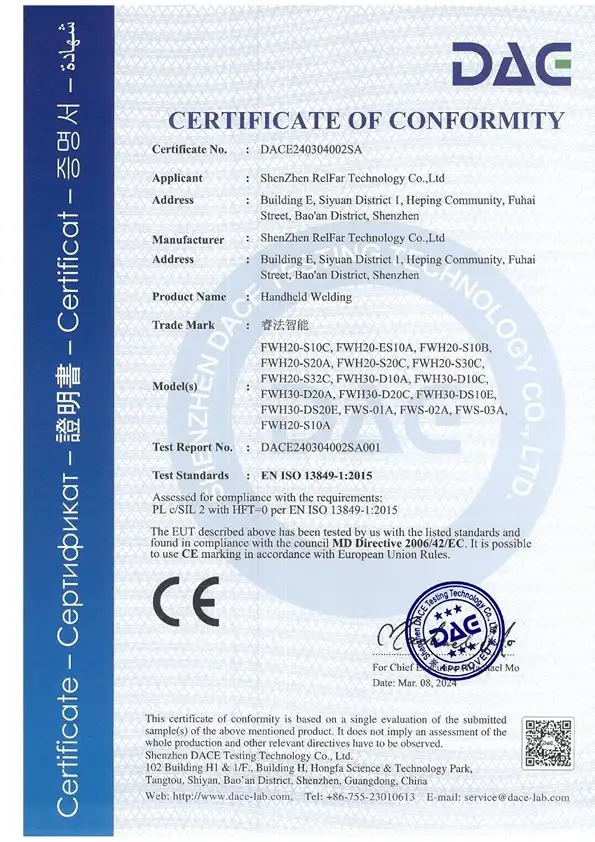
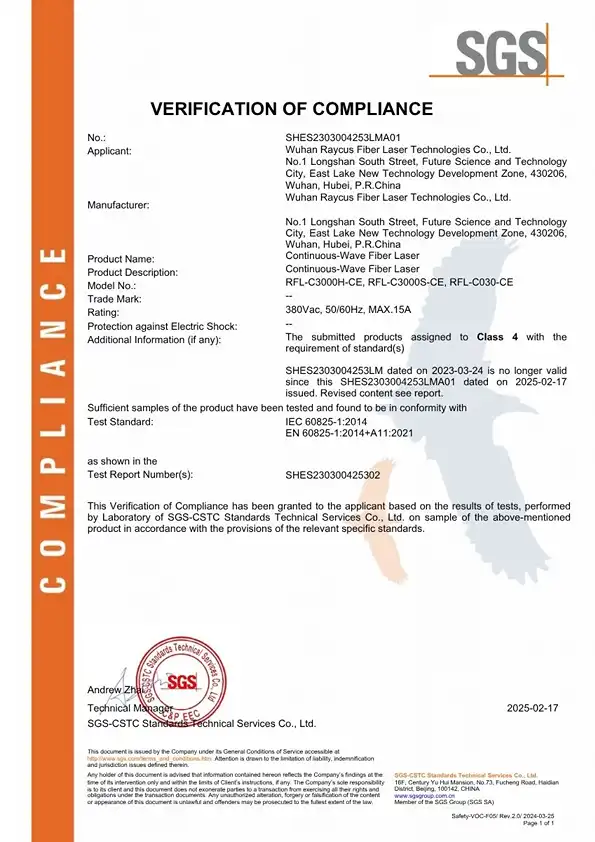
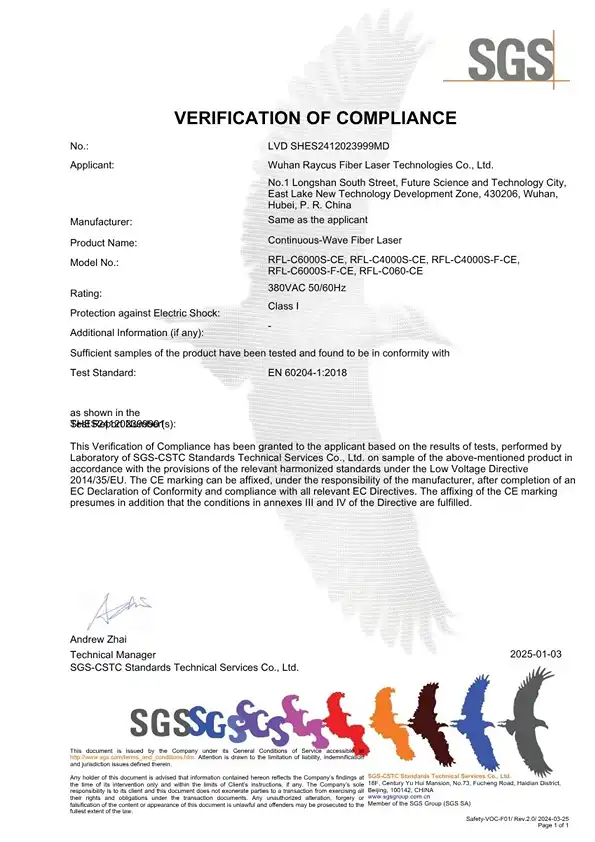
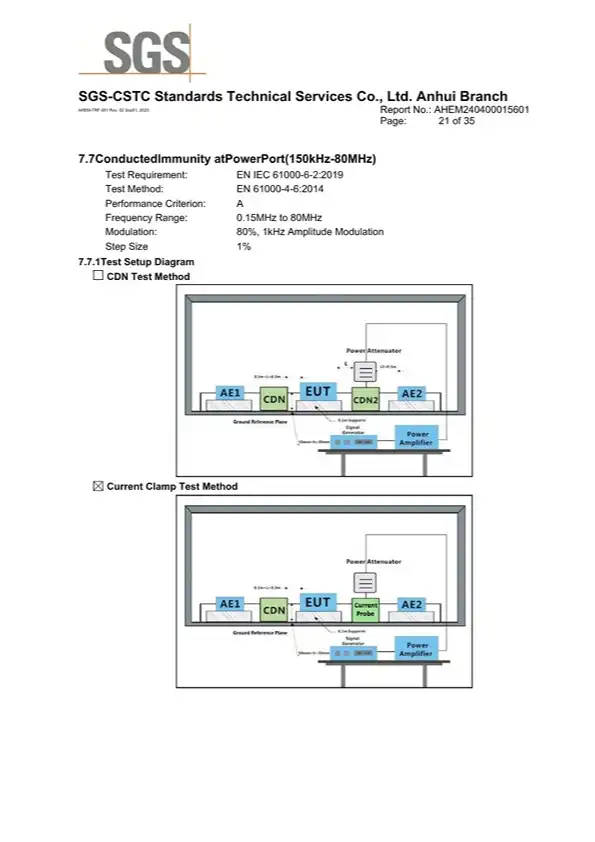
Reliability starts at the core. The key components that power our equipment—from the laser source to even the smallest electronic components—have all been certified to meet the world’s most stringent international standards.
GLOBAL PARTNERSHIPS
Trusted by Industry Leaders Worldwide
We take pride in powering the success of top-tier global manufacturers, research institutions, and industrial leaders. Our advanced laser and testing solutions are trusted worldwide to deliver uncompromising quality and peak performance.



FAQ
Q1: We weld stiffeners to 1.5mm mirror stainless, and the heat marks the front. Can laser welding stop this?
Yes.
This is the primary reason elevator manufacturers switch to laser. By precisely controlling the travel speed and wattage, the laser melts just deeply enough to fuse the stiffener (e.g., 70% penetration) ,and it moves on before the heat conducts through to the decorative front face. You get a strong weld with zero read-through.
Q2: Will laser welding warp the long edges of our 2.5-meter landing doors?
No.
TIG welding warps doors because the slow arc floods the panel with excess heat, causing expansion. But Fiber lasers create a microscopic melt pool that freezes in milliseconds. The incredibly narrow Heat Affected Zone (HAZ) guarantees that your long door panels remain perfectly flat and dimensionally true.
Q3: We use #4 hairline and #8 mirror stainless. Will the laser cleaning mode scratch the finish?
Not at all.
Laser cleaning is a 100% contact-free photothermal process. It uses light to vaporize dark oxidation or glue residue. Because it does not use physical abrasives like wire wheels or sandpaper, so the original factory grain or mirror polish underneath is left completely
Q4: Can we weld the 90-degree corners of door architraves without leaving a bulky bead?
Yes.
On tight-fitting architrave corners, you can perform autogenous laser welding (without wire), this can leave a nearly invisible, flush seam. If a slight gap exists, using the integrated wire feeder produces a tiny bead .It just requires 80% less polishing time than a MIG/TIG weld.
Q5: How does the strength of a laser-welded stiffener compare to a spot weld?
Spot welding creates intermittent, localized points of fusion. Laser-welded stiffener creates a continuous, deep-penetration seam along the rib, spreading the dynamic load evenly and drastically increasing the structural rigidity of the cab wall.
Q6: What shielding gas should we use for luxury elevator interiors?
To maintain the brightest, cleanest finish on 304 and 316 stainless steel, we highly recommend using high-purity Argon (99.99%) or Nitrogen. Nitrogen is very cost-effective and provides an excellent, clean weld profile that requires minimal post-weld cleaning.
Q7: We pay premium wages for master TIG welders who can control heat. How hard is this to learn?
TIG requires years of muscle memory to prevent burn-through. The laser system handles the thermal management and wire feeding automatically. An entry-level assembler can learn to produce flawless, zero-distortion elevator panels in a single afternoon, drastically reducing your labor costs.
Q8: What safety enclosures are needed in a busy elevator manufacturing plant?
Eye safety is critical. You must isolate the welding station using laser-safe modular walls or curtains to protect other workers from invisible scattered light. The operator must always wear the provided wavelength-specific safety goggles.
Q9: What is the ROI timeline for a commercial elevator manufacturer?
Elevator manufacturers typically see a rapid ROI within 4 to 6 months. This is driven by eliminating the scrap rate of ruined mirror panels, bypassing the hours spent manually straightening warped doors, cutting corner polishing time by 80%
Related Products
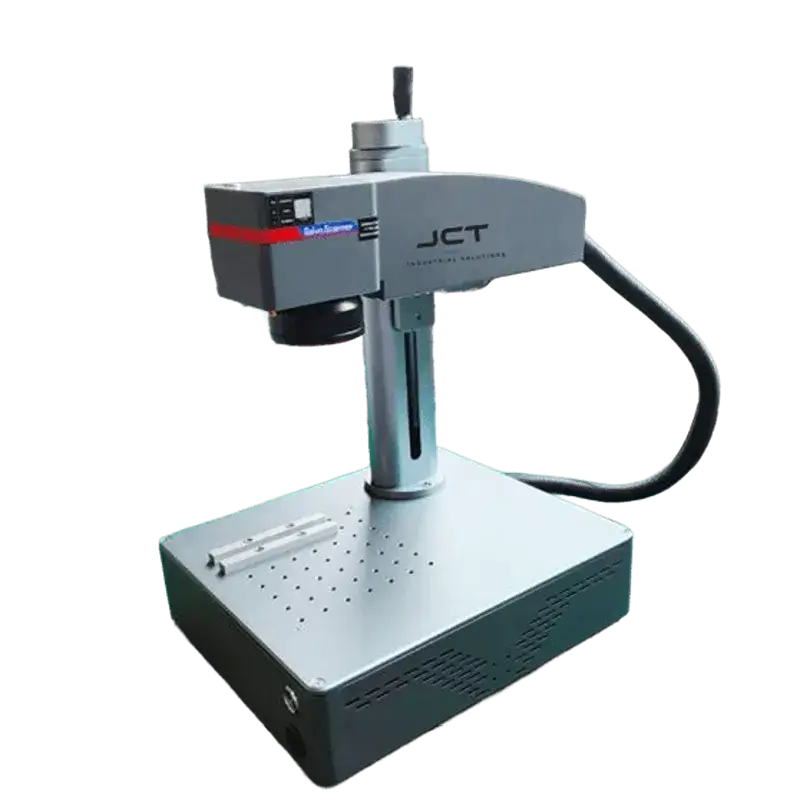
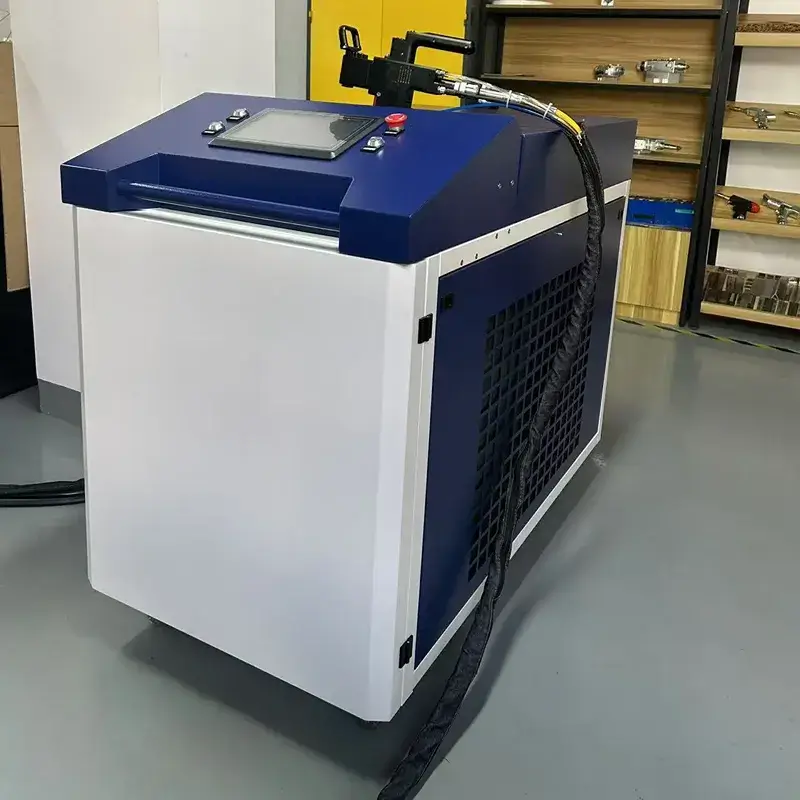
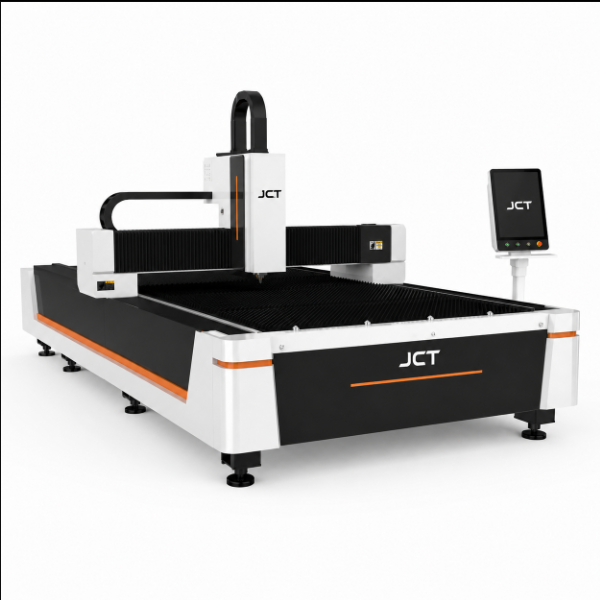
Get a Factory-Direct Custom Quote
Stop destroying luxury mirror finishes and wasting labor on straightening warped landing doors. Tell our application engineers about your specific elevator materials (e.g., Hairline, Mirror, PVD coated), thicknesses, and production bottlenecks. We will recommend the exact JCT laser configuration to upgrade your cab assembly line, complete with a factory-direct quote within 12 hours.