
Advanced Laser Welding & Cleaning for Sheet Metal Fabrication
Completely eliminate thermal deformation, burn-through, and secondary grinding in sheet metal. JCT offers you a one-stop laser solution—the best choice.
Thermal Distortion & Surface Damage
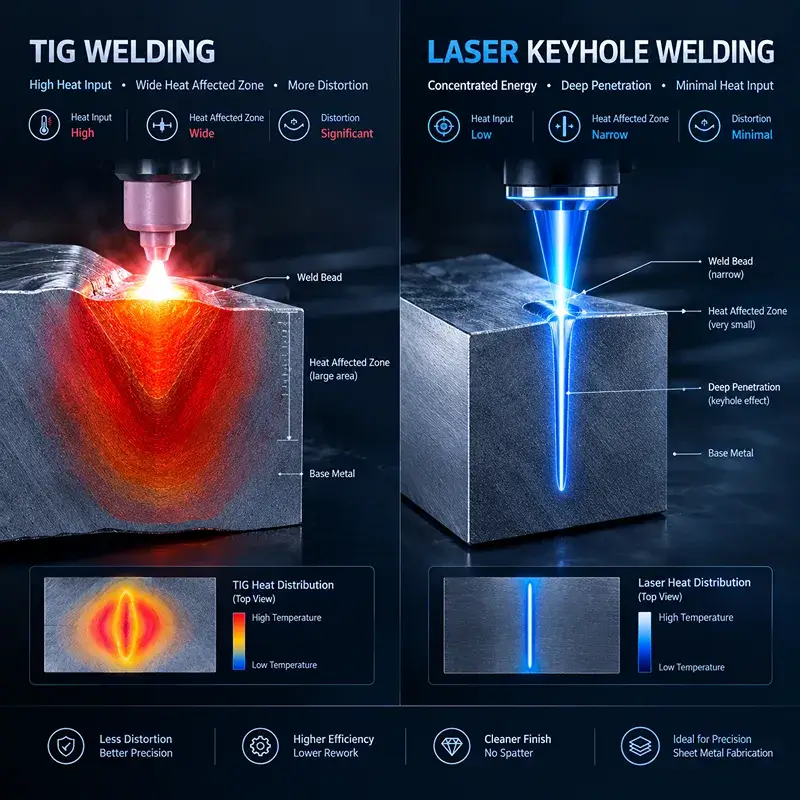
Sheet metal fabricators working with carbon steel, stainless steel, and aluminum alloys are facing a relentless solve. Traditional methods like TIG (Tungsten Inert Gas) and MIG (Metal Inert Gas) welding rely on massive, slow-moving heat conduction. This creates a severe bottleneck in modern high-precision fabrication
Heat-Affected Zone (HAZ) and Warping of Thin Sheets
Thin metal sheets (0.5 mm to 3.0 mm) have extremely low heat capacity. When exposed to the wide, slow arc of a TIG welder, the coefficient of thermal expansion (CTE) causes the metal to expand rapidly. Because the surrounding cold metal restricts this expansion, the sheet metal buckles, warps, and bends. Operators are then forced to spend hours using flame straightening or mechanical presses to correct the warped sheets, which significantly reduces production efficiency.
Burn-Through and Micro-Porosity
Welding thin aluminum or galvanized steel requires immense skill to prevent the arc from instantly melting a hole right through the substrate.
Furthermore, if the sheet metal is not perfectly cleaned of stamping oils or rust before welding, hydrogen and oxygen get trapped in the molten pool, this will cause severe micro-porosity and structural weld failures
Secondary Grinding
After welding is complete, traditional workshops typically rely on abrasive angle grinders and toxic acid-based cleaning pastes to remove thick weld beads, spatter, and black oxide layers (heat discoloration). Angle grinders inevitably scratch and thin the base material, thereby compromising its structural integrity and ruining the aesthetic surface finish required for high-end enclosures or architectural panels.
Why sheet metal Need laser welding?
By integrating the JCT laser system, manufacturing facilities can consolidate multiple labor-intensive workstations into a single, efficient, and continuous workflow.
Pre-Weld Laser Clean (Surface Preparation)
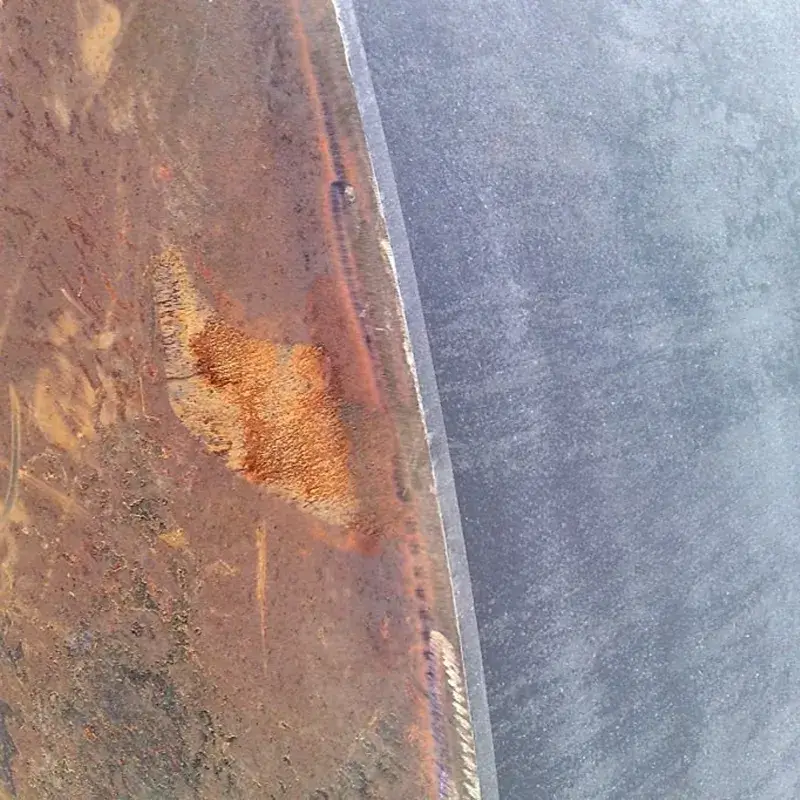
Stamping lubricants, cutting fluids, and surface rust are the enemies of a strong weld.
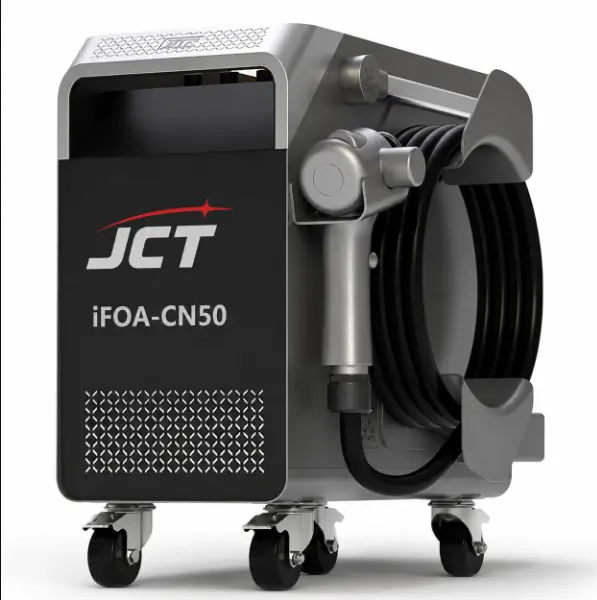
Using our JCT pulsed laser cleaners, fabricators can instantly vaporize these contaminants via photothermal ablation. The laser light reflects off the underlying metal, ensuring zero damage to the base sheet while perfectly preparing the joint for welding.
Low-Heat Input Laser Welding
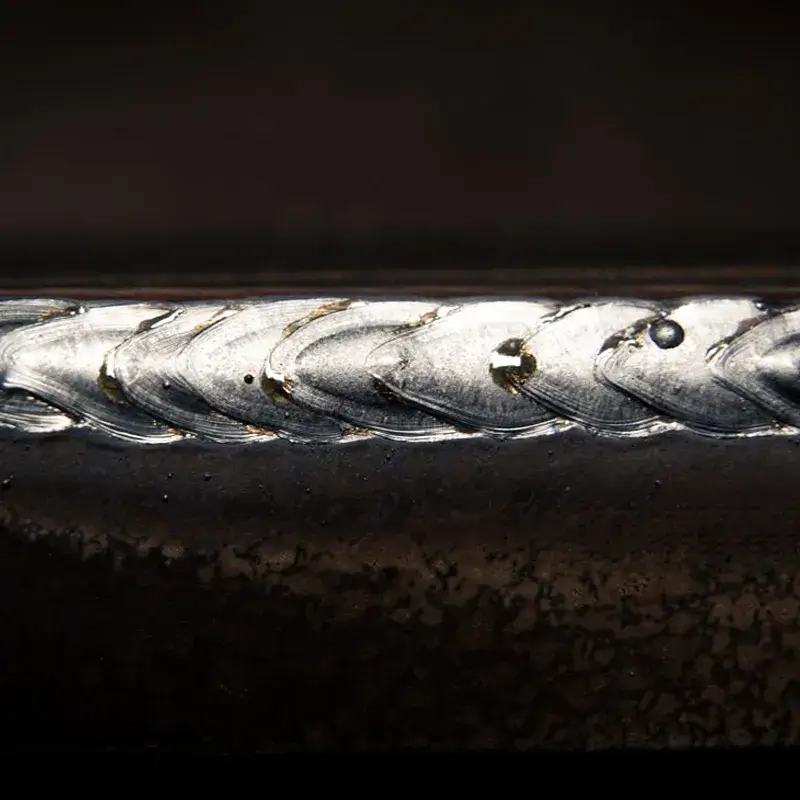
Utilizing continuous wave (CW) fiber lasers, the beam focuses massive energy onto a microscopic spot. This creates a “keyhole” effect, melting the metal instantly and allowing it to freeze just as fast. The result lies to that A welding speed up to 4x faster than TIG, with a Heat Affected Zone (HAZ) so narrow that you can comfortably touch the metal bare-handed just inches from the weld. Distortion is completely eliminated.
After-Weld Aesthetic Cleaning
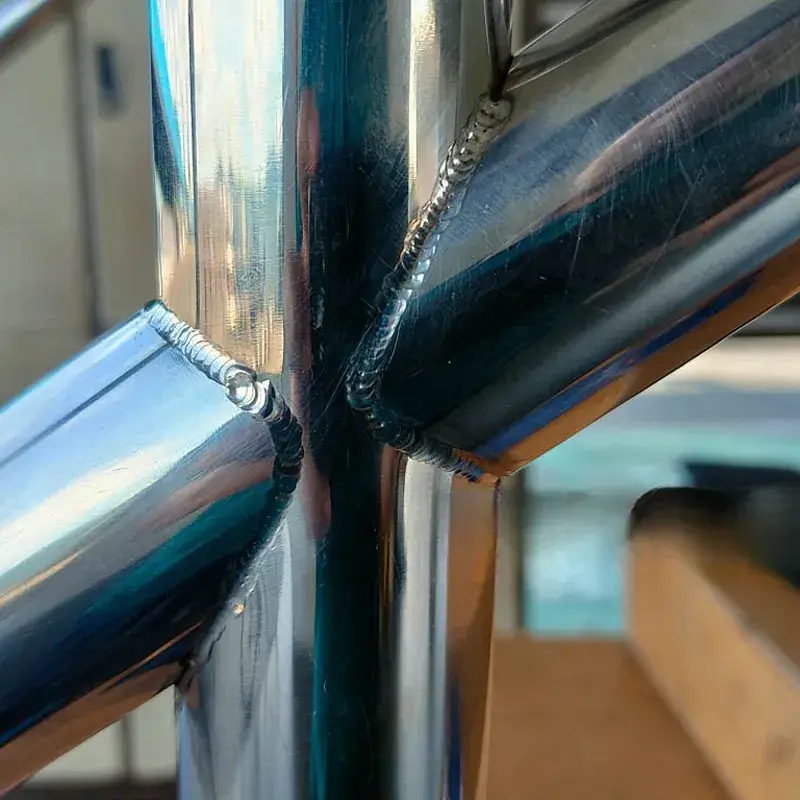
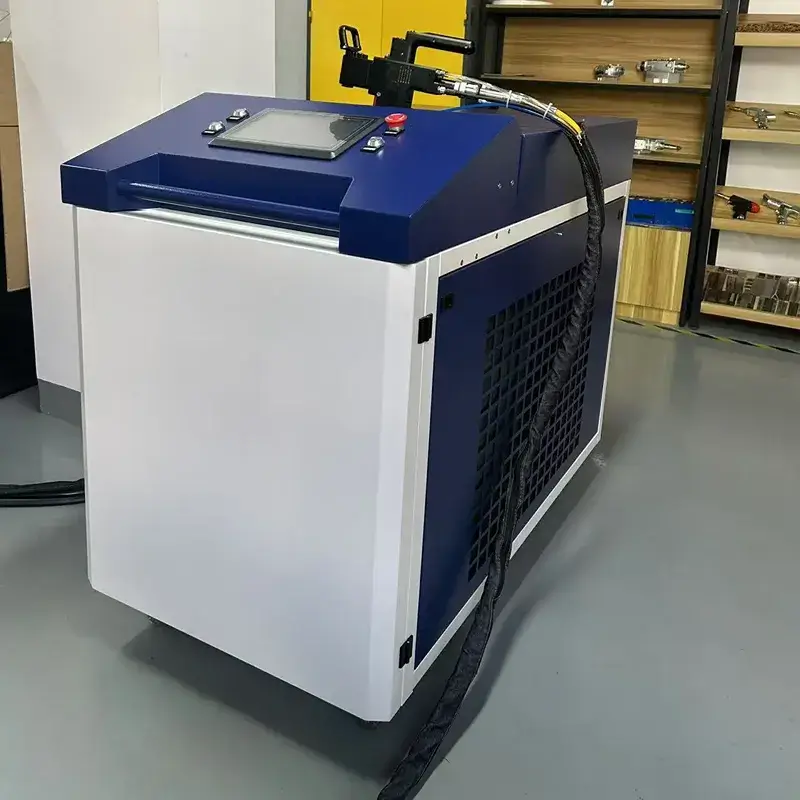
Particularly in sheet metal fabrication welding leaves a dark rainbow oxidation layer known as heat tint. Our 3-in-1 handheld systems can be switched instantly to “cleaning mode.” A quick pass over the weld vaporizes the oxidation, leaving a bright, passivated, aesthetic finish that is immediately ready for powder coating or final assembly—no chemical etching required.
Laser Solutions for Sheet Metal Fabricators
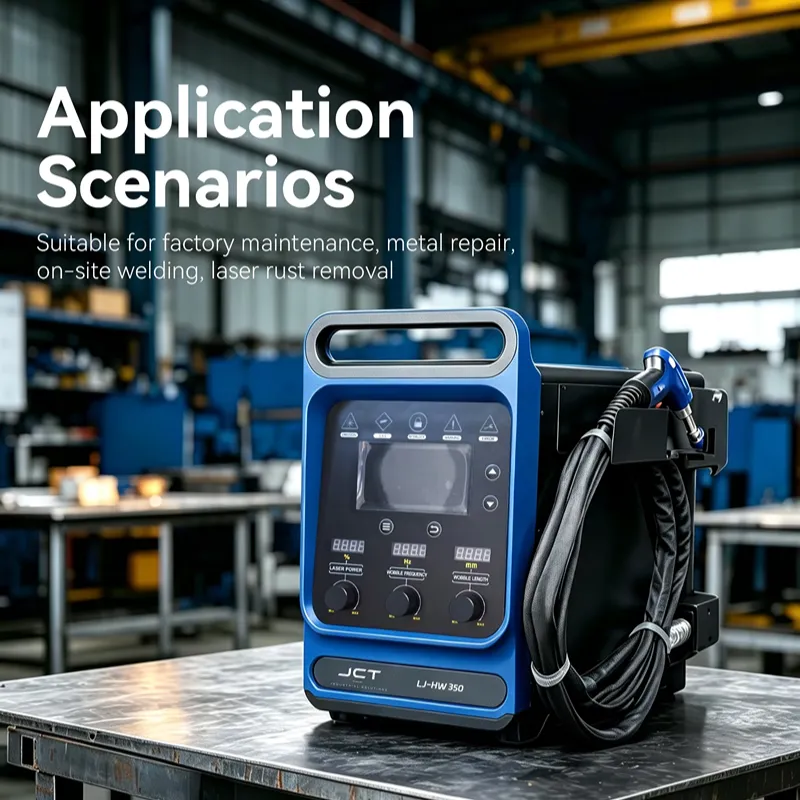
Custom sheet metal fabrication, short runs, and complex angles.
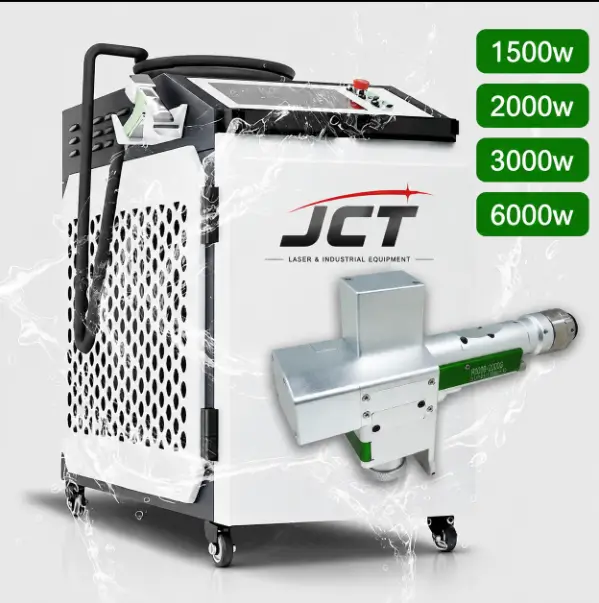
Seamlessly switch between welding, cutting, and rust cleaning in seconds. Replaces TIG welders and angle grinders, allowing entry-level operators to achieve master-level weld seams with less than an hour of training.
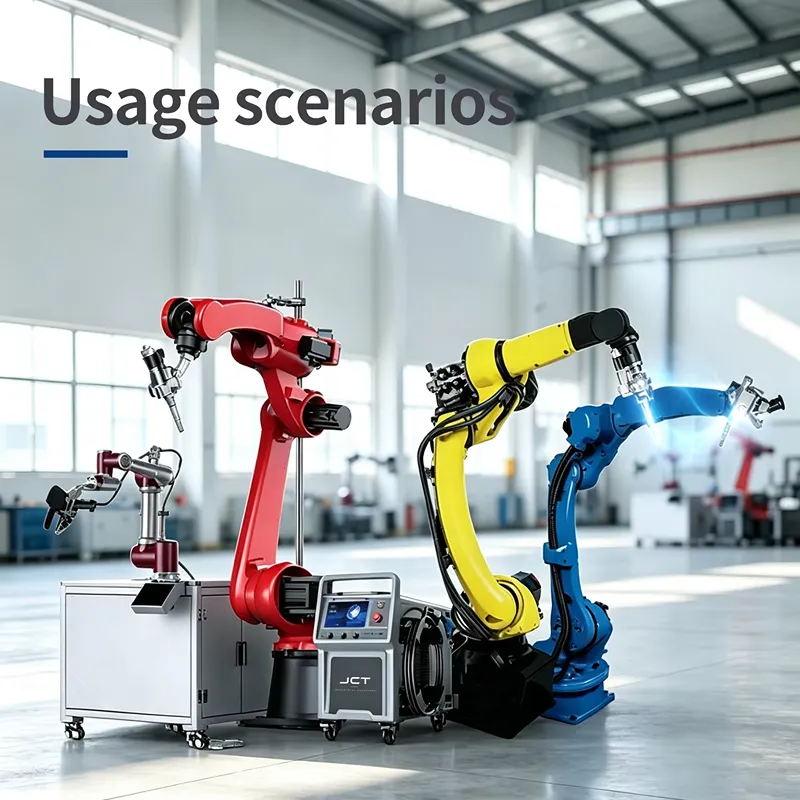
Fit for High-volume automotive panels, electrical cabinets, and steel doors
Integrates with 6-axis robotic arms for 24/7 continuous production. Delivers flawless, spatter-free joints on galvanized steel and aluminum with strict precision, completely eliminating post-weld grinding.
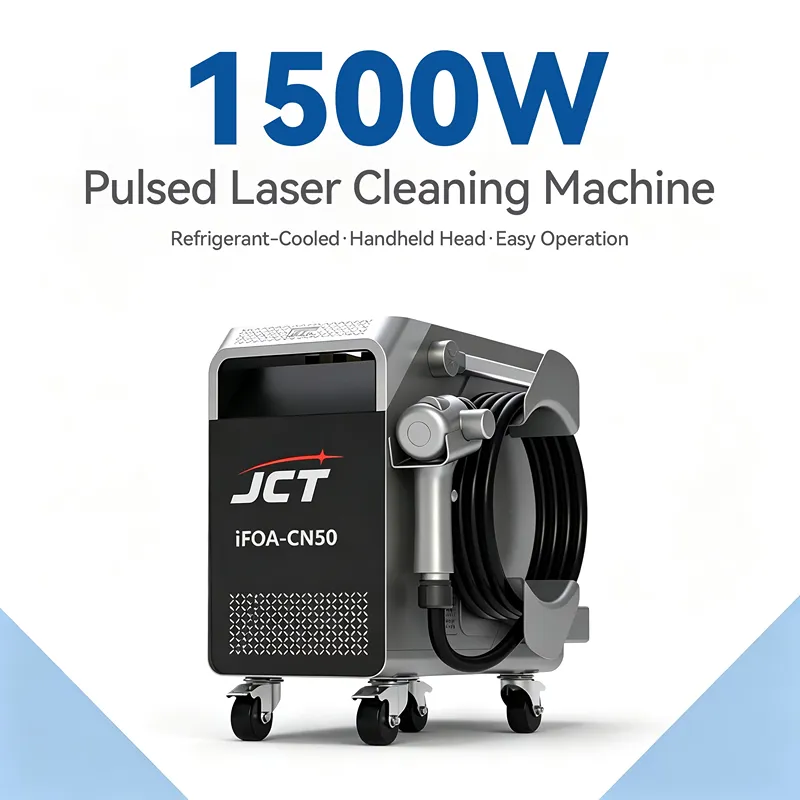
Non-destructive pre-weld oil and heavy rust removal.
The Edge: Using short nanosecond pulses to strip oxidation from thin substrates without adding heat or destroying the base metal’s microscopic geometry.
Ideal for restoring aged sheet metal stock.
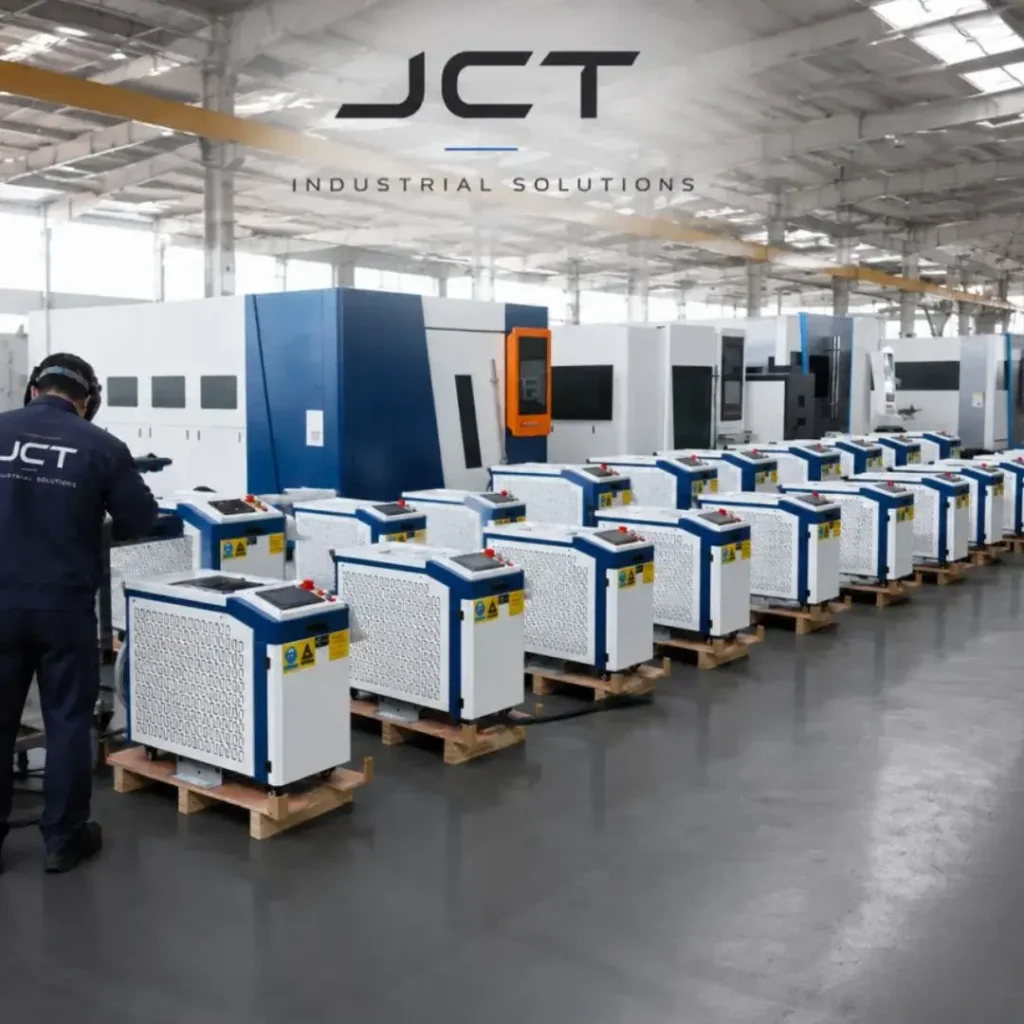
WHO WE ARE?
Manufacturingthe Future of Laser Fabrication & Quality Control.
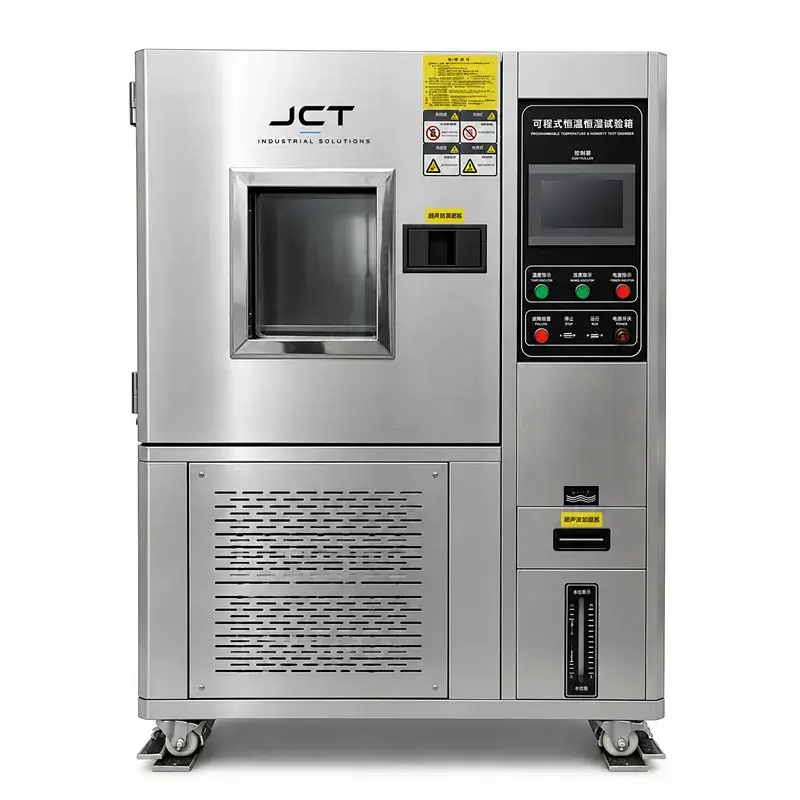
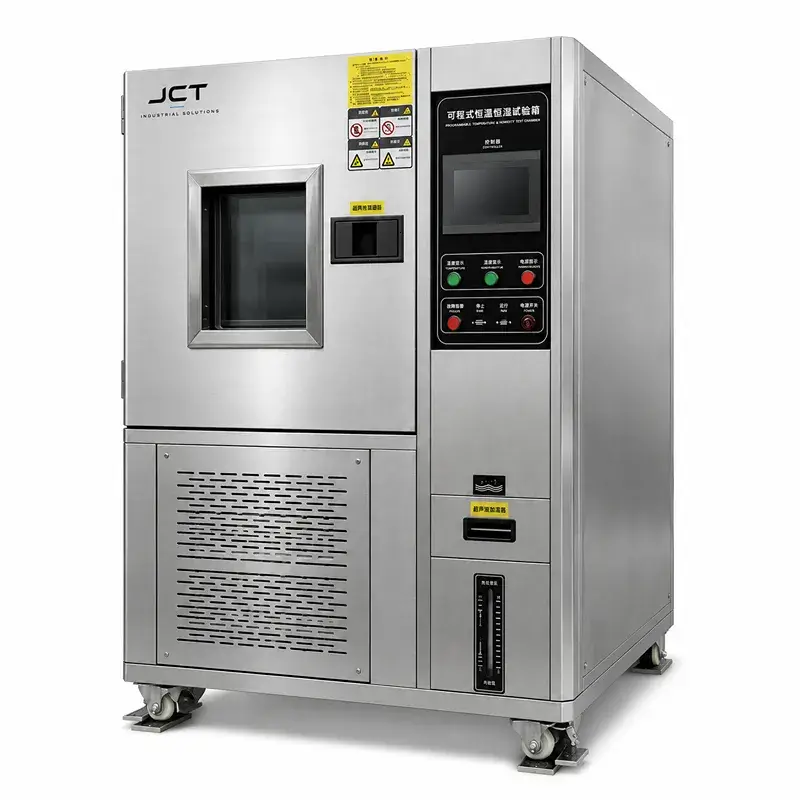
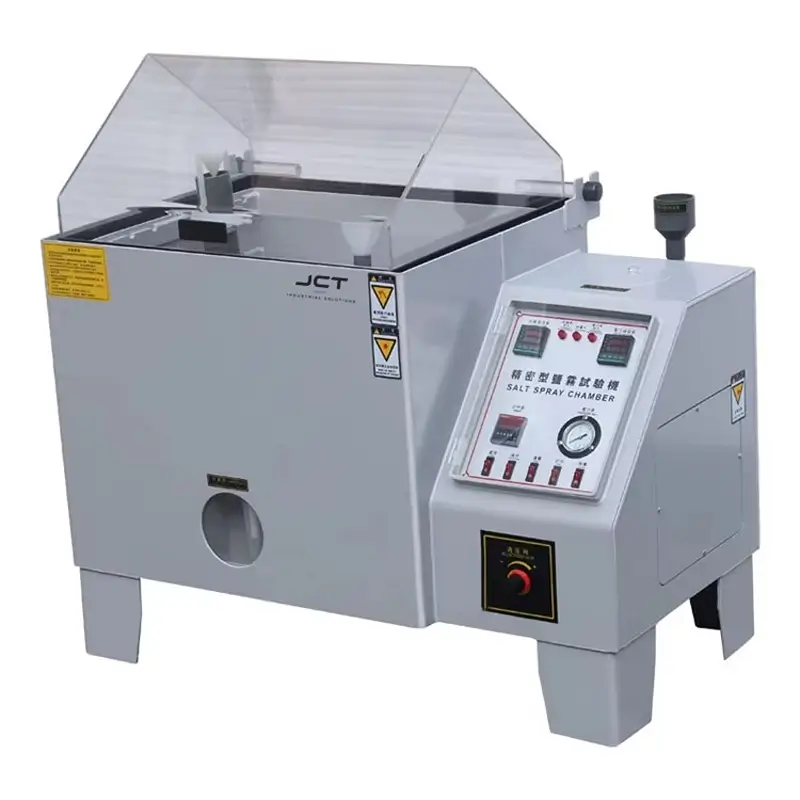
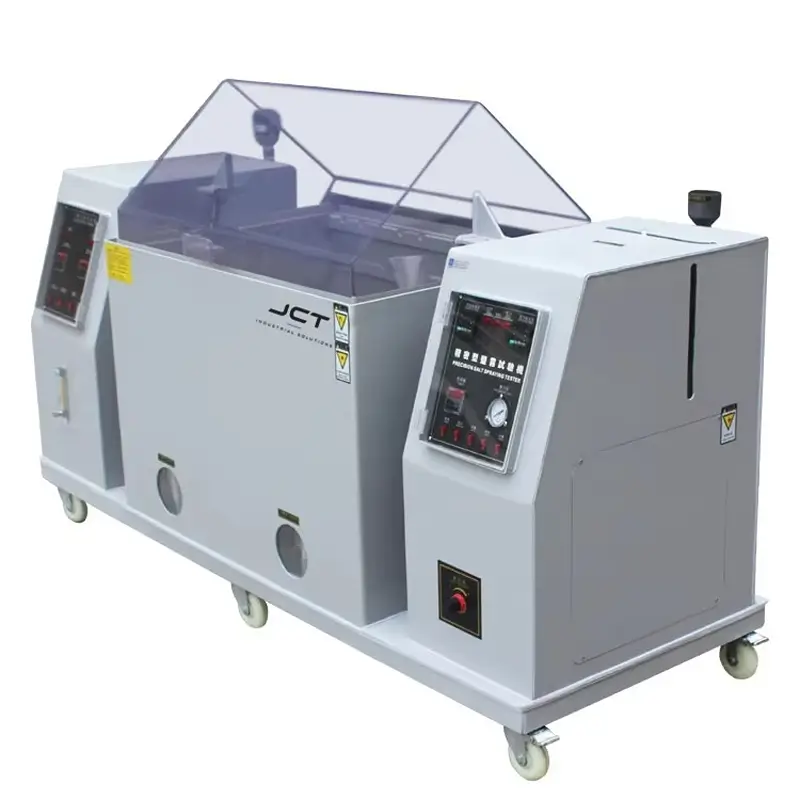
With over 10 years of industry expertise, we have grown into a trusted source for industrial laser welding & fabrication processing systems and precision environmental testing equipment.
At JCT, we not only build machines; but also build reliability.
From rapid metal fabrication to simulating extreme -40°C climates for your material testing,we ensure every set of equipment meets strict global standards.
We are committed to accelerating your R&D cycles and safeguarding your brand’s reputation with robust, factory-direct solutions.
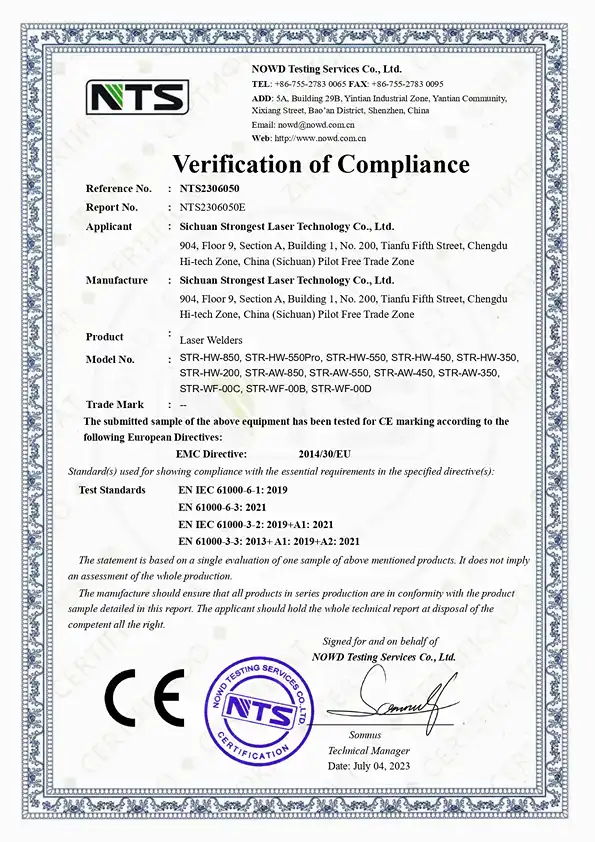
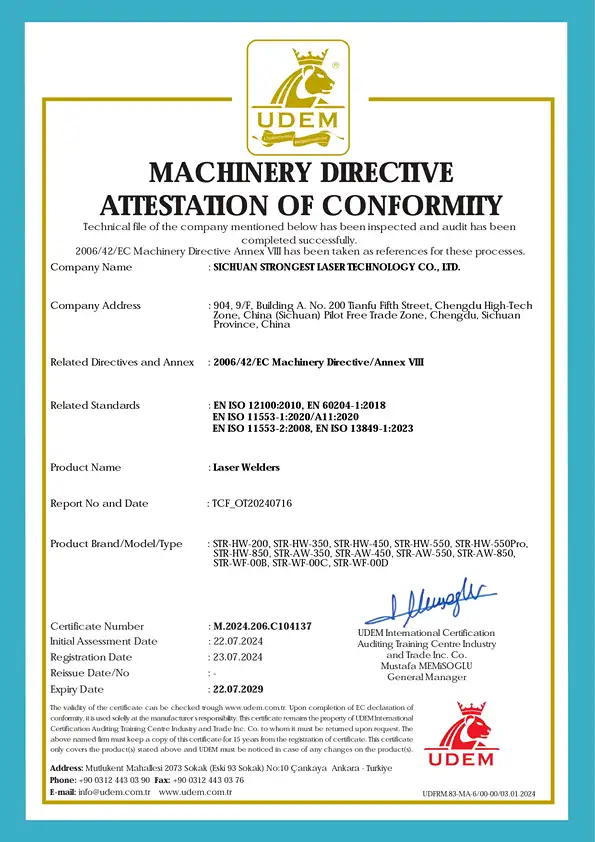
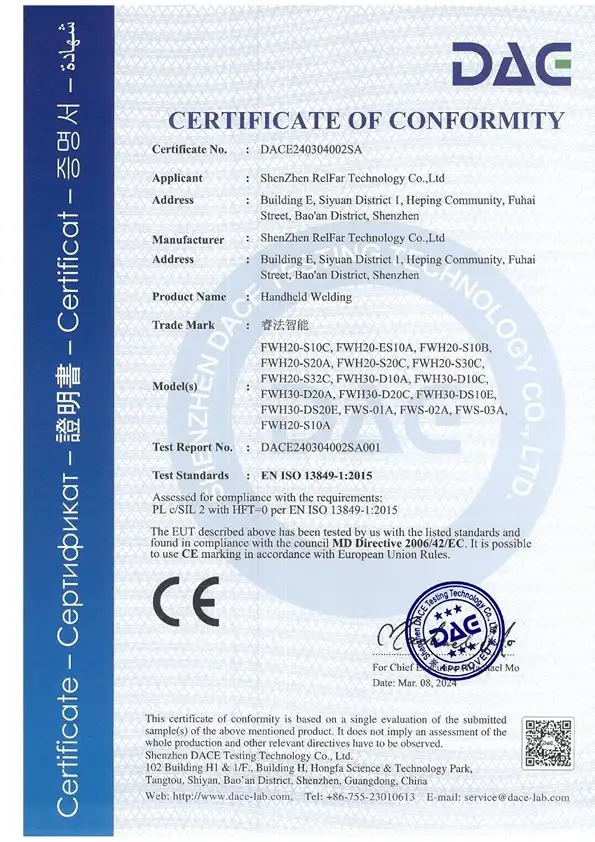
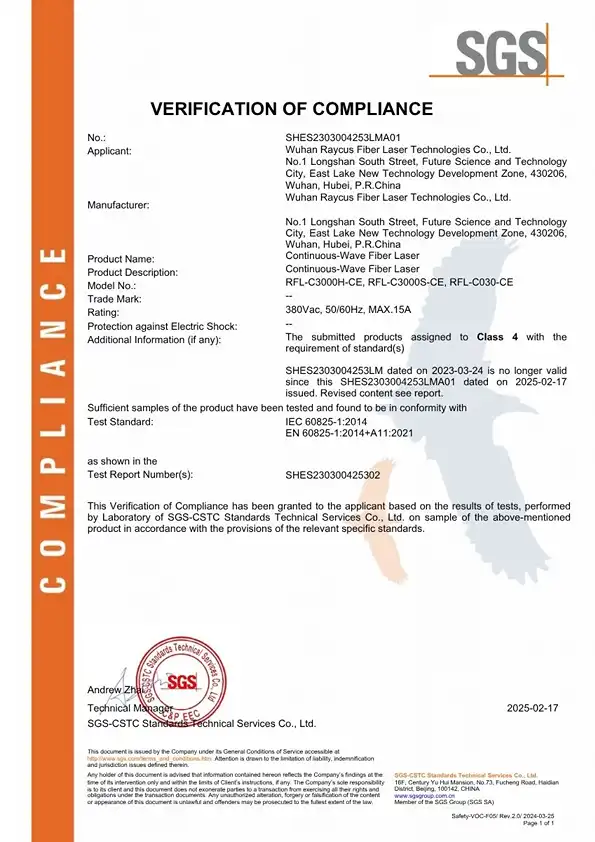
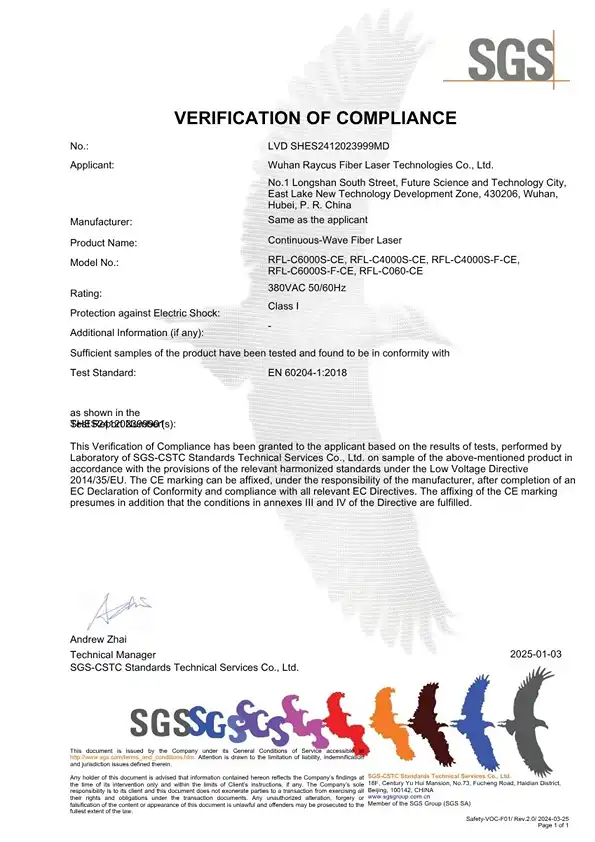
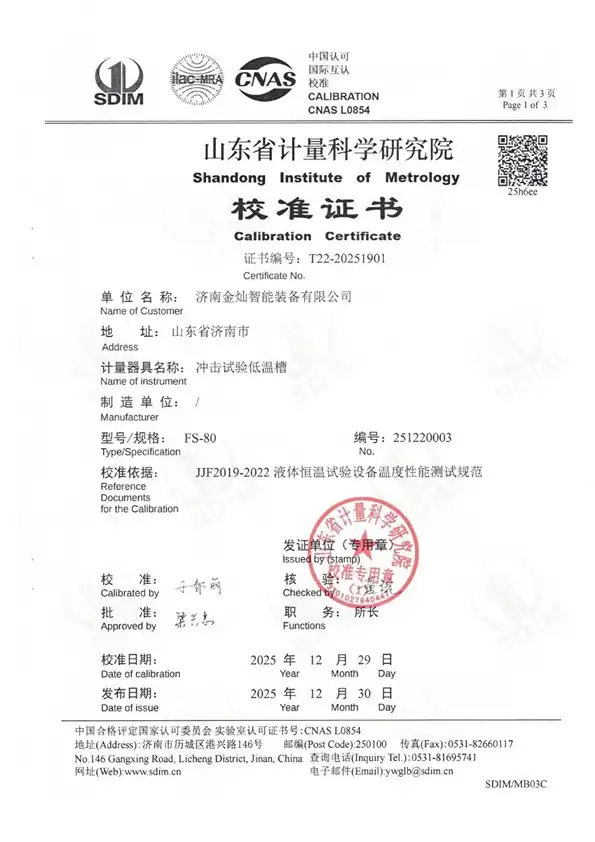
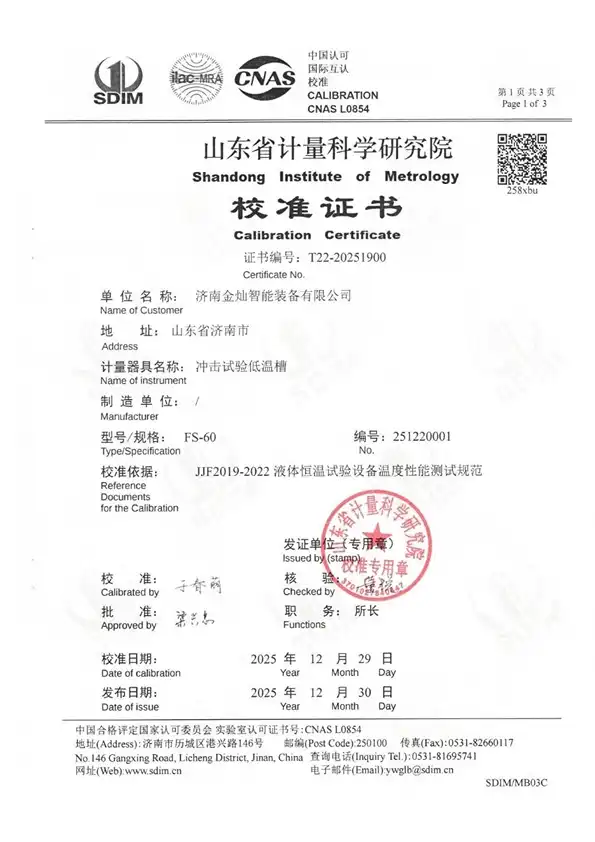
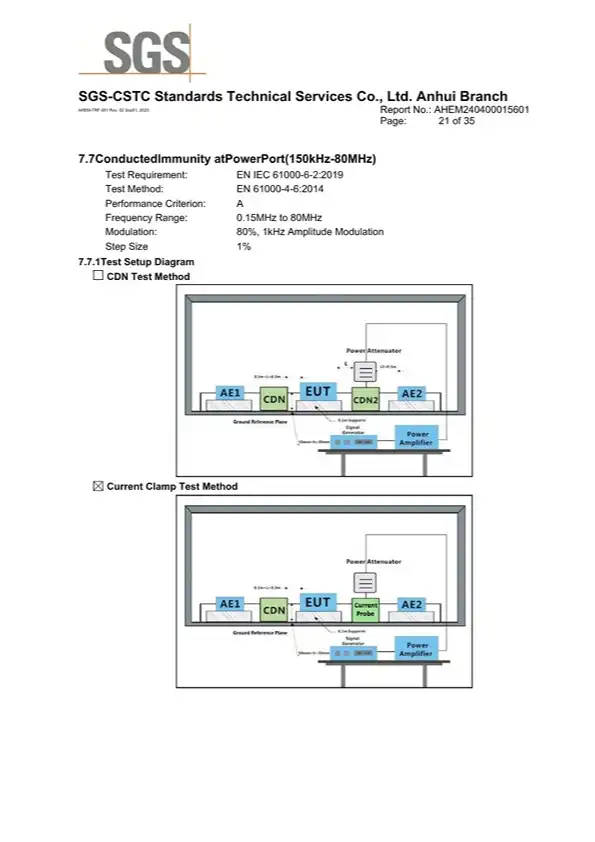
PREMIUM COMPONENTS ASSURANCE
Certified to Global Leading Standards
Reliability starts at the core. The key components that power our equipment—from the laser source to even the smallest electronic components—have all been certified to meet the world’s most stringent international standards.
GLOBAL PARTNERSHIPS
Trusted by Industry Leaders Worldwide
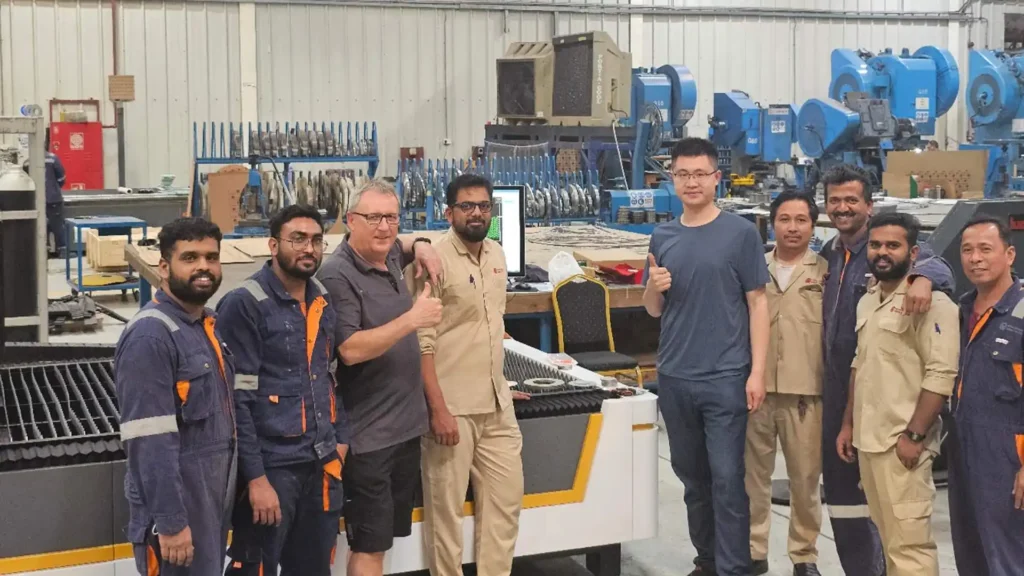
We take pride in powering the success of top-tier global manufacturers, research institutions, and industrial leaders. Our advanced laser and testing solutions are trusted worldwide to deliver uncompromising quality and peak performance.











FAQ
Q1: I currently use TIG for thin sheet metal, and warping is a massive headache. How does a laser welder fix this?
Traditional TIG transfers heat slowly, giving it time to spread and warp the metal.
Fiber lasers use incredibly concentrated energy to melt a microscopic spot instantly,resulting in a small Heat Affected Zone (HAZ) ,so that thermal distortion on 1mm or 2mm sheet metal is completely eliminated.
Q2: Skilled TIG welders are hard to find and expensive. Can a beginner really use a handheld laser?
Yes.
Handheld laser welding requires fundamentally different motor skills than TIG. Because the laser stabilizes the heat input and the automatic wire feeder manages material deposition. Operators just need to simply guide the torch like a pen. Most entry-level workers can lay down perfect, aesthetic seams with less than an hour of basic training
Q3: We waste hours grinding welds flat and polishing heat tint. Does this machine eliminate that?
Absolutely. Laser welding produces an exceptionally smooth, flat seam with zero spatter without toxic pickling pastes and destructive angle grinding.
Q4: What thicknesses of stainless and carbon steel can a standard 1500W system handle?
1500W system is the exact choice for sheet metal. It can easily achieve single-pass full penetration on 1mm to 3mm stainless steel, carbon steel, and galvanized sheets. If you routinely work on thicker plates (4mm to 6mm), we recommend upgrading to a 2000W or 3000W system for optimal speed.
Q5: Laser beams are tiny. What happens if my sheet metal bending isn't perfectly flush and leaves a gap?
This is a common concern. Our systems feature a “wobble” laser head ,it can oscillates the beam up to 5mm wide, equipped with an automatic wire feeder. This combination allows you to easily bridge stamping imperfections or bending gaps up to 1.5mm without losing weld integrity
Q6: You call it a "3-in-1" system. How hard is it to switch from welding to cleaning mode on the shop ?
It takes less than two minutes. The operator just needs simply to unscrew the copper welding nozzle, attaches the wider cleaning focus lens, and selects the pre-programmed “Cleaning” mode on the touchscreen interface. The same machine goes from joining panels to stripping pre-weld rust instantly.
Q7: Traditional welding uses tungsten and heavy gas flow. What are the actual running costs of a fiber laser?
Running costs are surprisingly low.
The primary consumable is electricity and shielding gas (Argon or Nitrogen). Instead of replacing expensive tungsten electrodes, you only occasionally replace inexpensive protective quartz lenses (which cost a few dollars each) and welding wire
Q8: Lasers sound dangerous for an open shop floor. What safety setup do I actually need?
These are Class 4 lasers, so eye safety is paramount. You cannot use them in a completely open warehouse environment. You must provide an enclosed welding booth with laser-safe curtains or walls. The operator must wear wavelength-specific laser safety goggles (provided with the machine), and the area should have proper fume extraction.
Q9: We cannot afford downtime. How reliable is the fiber laser source compared to older welders?
Fiber lasers are solid-state technology, meaning they have no moving parts, mirrors, or internal gases to maintain. We use top-tier laser sources engineered for a lifespan exceeding 100,000 operational hours. The only routine maintenance involves checking and wiping down the external lenses.
Q10: How fast does a typical fabrication shop see a Return on Investment (ROI)?
Most sheet metal fabricators see a full ROI within 6 to 10 months. The calculation relies on three factors: 4x faster welding speeds, the ability to hire entry-level operators instead of premium-wage master welders, and the elimination of post-weld grinding labor.
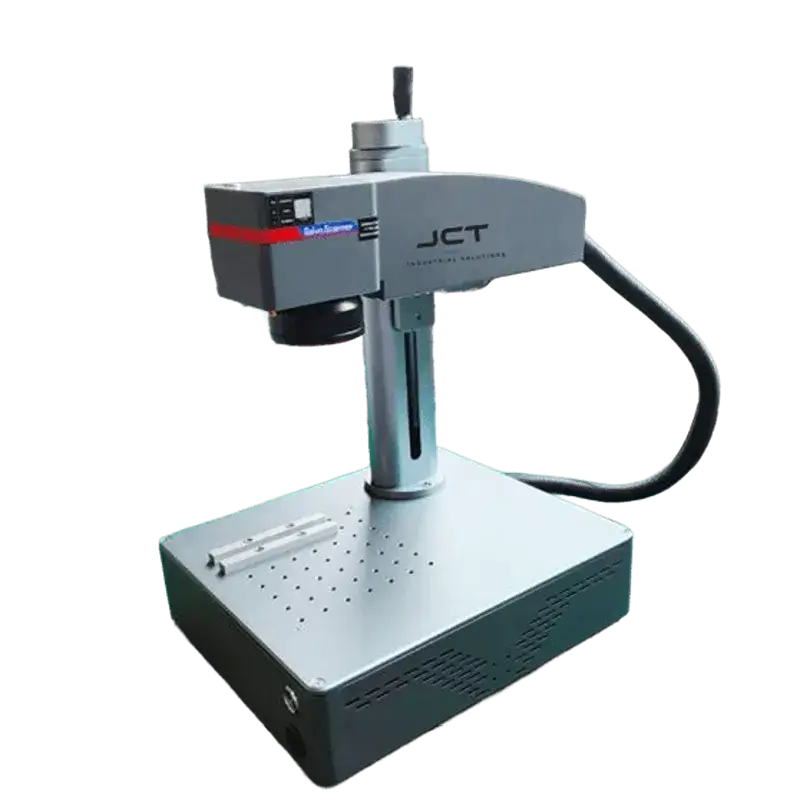
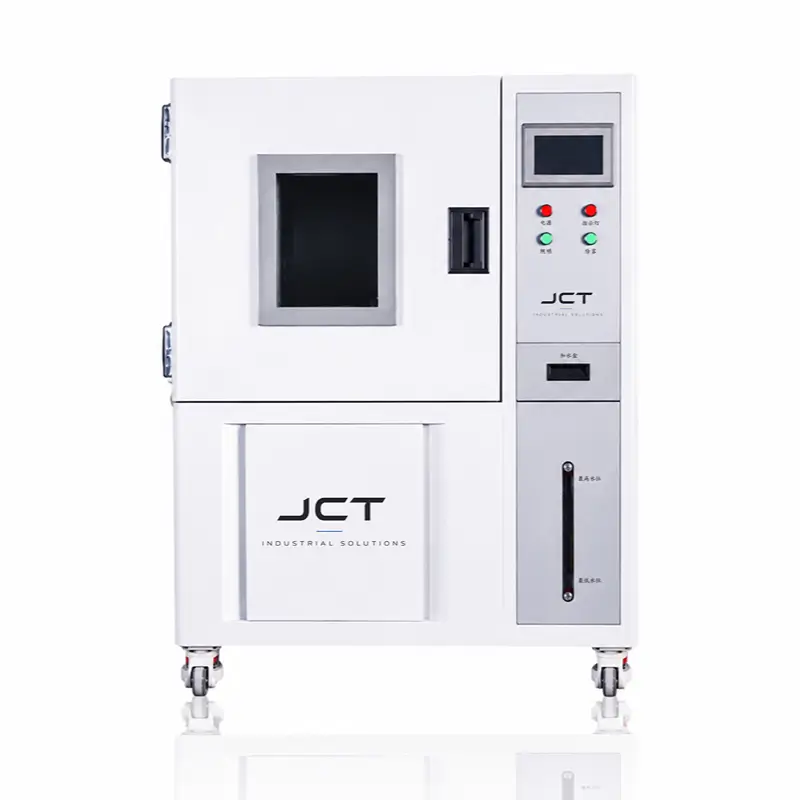
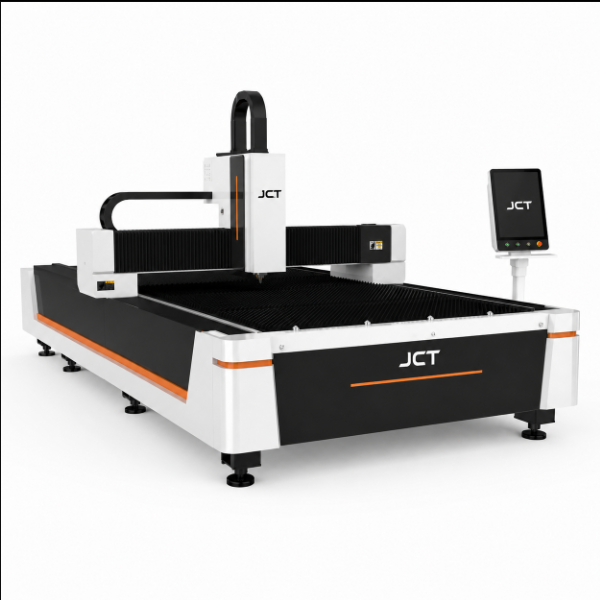
Related Products
Get a Factory-Direct Custom Quote
Stop wasting hours on thermal straightening and angle grinding. Tell our application engineers about your specific sheet metal materials, thicknesses, and current fabrication bottlenecks. We will recommend the exact JCT laser welding and cleaning configuration required to triple your production speed, complete with ROI calculations, within 12 hours.