
Seamless Laser Welding & Cleaning for Metal Furniture
Eradicate ugly weld beads, burn-through on thin tubing, and intensive manual grinding. JCT’s advanced laser processing systems deliver flawless, aesthetic joints on carbon steel, stainless, and brass furniture frames up to 4x faster than MIG/TIG. Achieve perfectly smooth corners ready for premium powder coating in a single pass
The Fabrication Challenge
Manufacturing high-end metal furniture (chairs, tables, shelving) relies heavily on thin-walled carbon steel, stainless steel, and aluminum tubing (0.8mm to 1.5mm). Traditional MIG and TIG welding methods severely bottleneck production and compromise design aesthetics
Burn-Through on Thin Tubing
Thin-walled decorative tubing lacks the thermal mass to absorb traditional arc heat. Operators constantly struggle with the arc melting massive holes entirely through the 1.0mm steel walls. Repairing these blowouts requires excessive filler metal, and destroies the sleek lines of minimalist furniture designs.
Spatter and Powder Coating Failures
MIG welding generates aggressive molten spatter, this will fuse to the surrounding metal. If these tiny metal droplets are not painstakingly chipped off and sanded down, they will show as ugly, sharp bumps through the final powder coating or electroplating , resulting in immediate quality control rejections from high-end retail buyers.
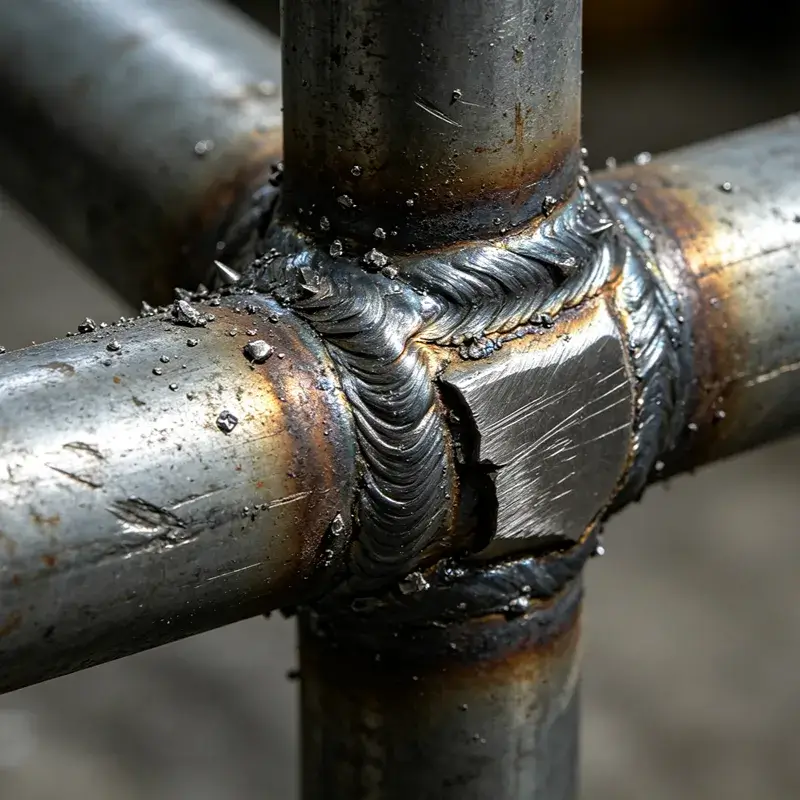
Destructive Grinding on Curved Surfaces
Traditional welds leave a large, convex bead. Modern interior design demandS the welding to achieve the “seamless “look , fabricators must aggressively grind these beads flat. Using flat abrasive wheels on round tubing inevitably creates unnatural flat spots, gouges, and inconsistent wall thinning, fundamentally destroying the geometric symmetry of the furniture frame
Why Metal Furniture Need laser welding?
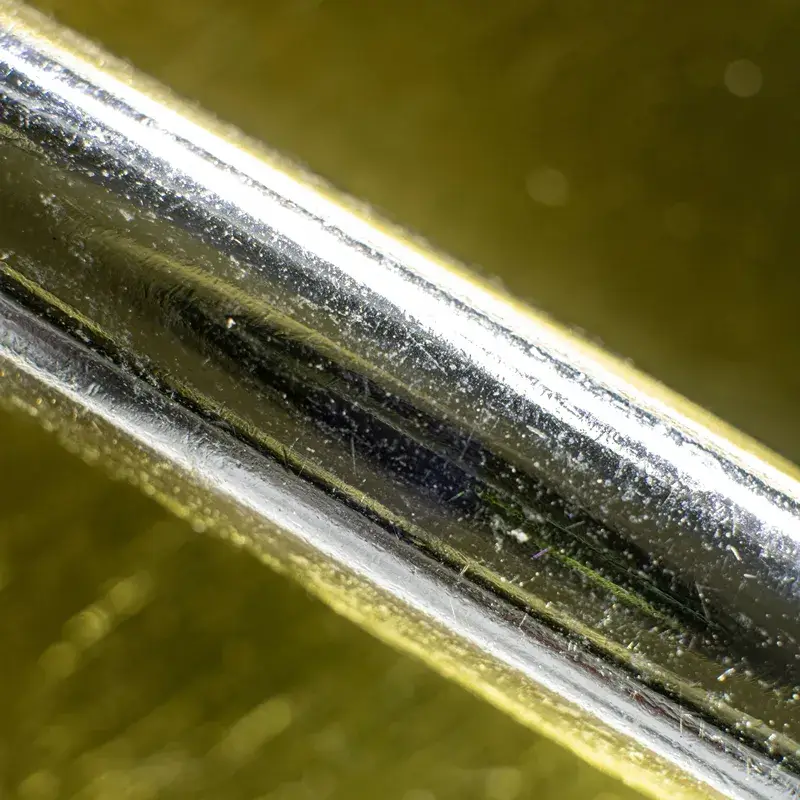
Pre-Weld Laser Rust Ablation
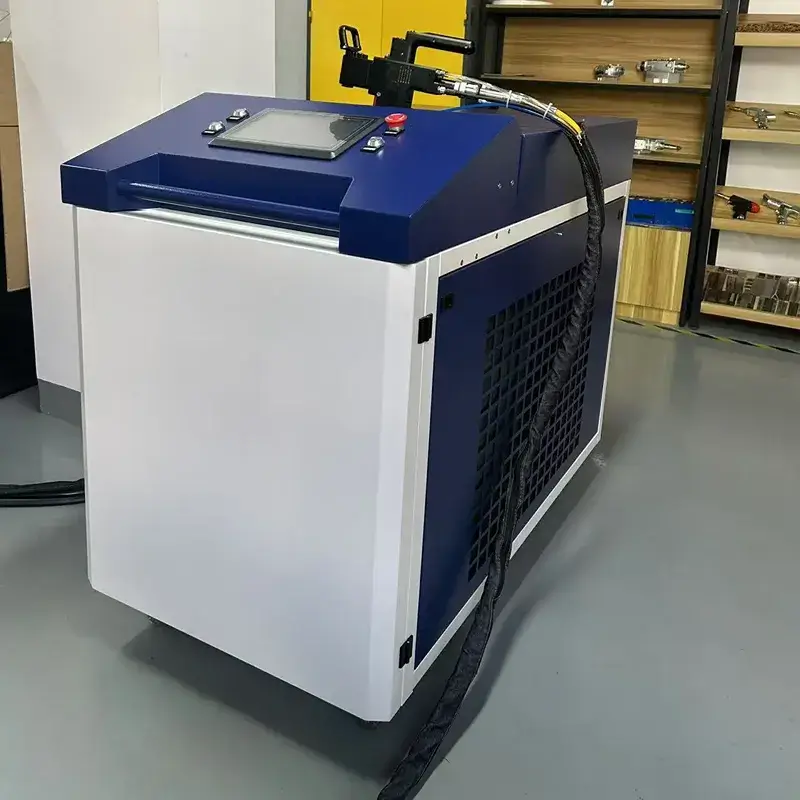
Carbon steel tubing often arrives from the mill coated in rust-preventative oils or light oxidation. Using the JCT cleaning mode, operators vaporize these contaminants in seconds. This prevents hydrogen entrapment in the weld pool, ensuring a structurally sound, porosity-free joint on every table leg and chair frame.
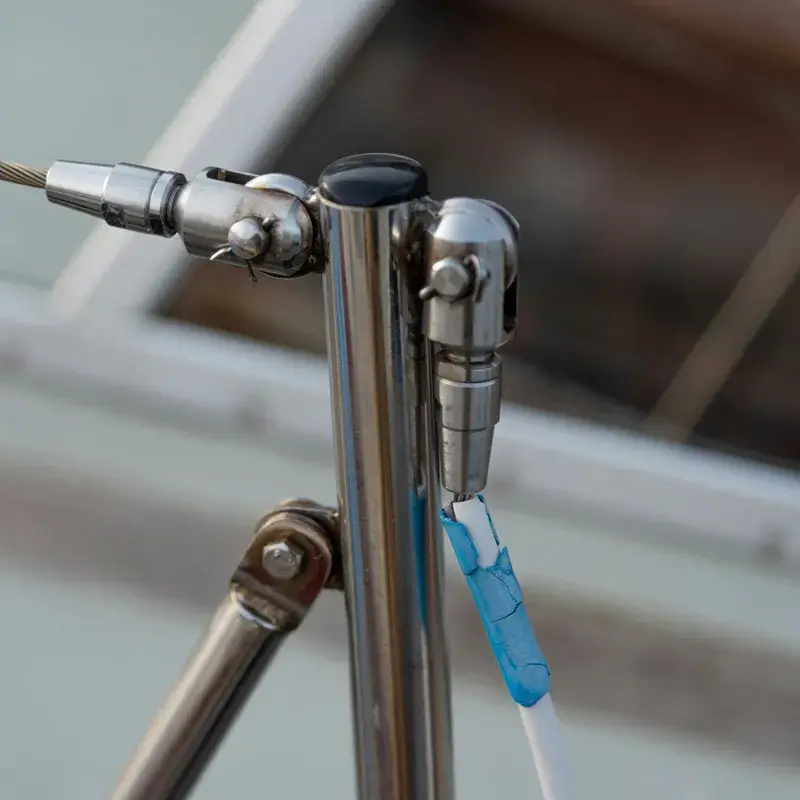
Low-Heat Keyhole Welding (Zero Spatter)
Switch to welding mode to join the thin-walled tubes. The CW laser penetrates the metal instantly, traveling up to 4x faster than TIG. The incredibly localized heat input eliminates burn-through on 1.0mm decorative tubing. More importantly, it produces zero spatter. The weld bead is so flush and aesthetically pleasing that it requires little to no post-weld grinding before painting.
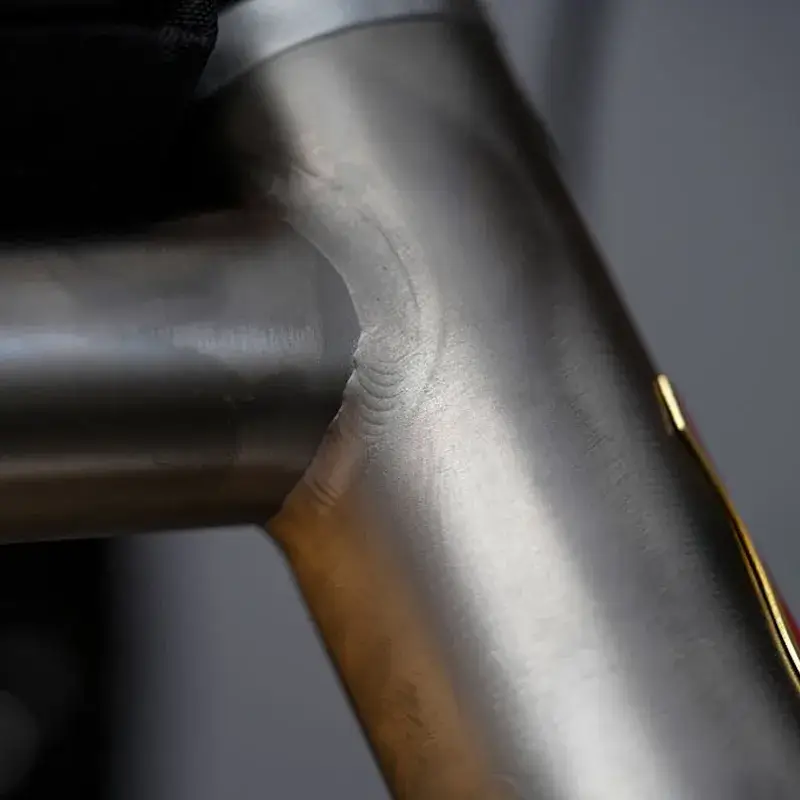
Instant Surface Prep for Powder Coatin
If any dark heat tint remains on stainless steel or brass furniture pieces, simply switch back to cleaning mode. A quick pass over the joint vaporizes the oxidation, leaving a bright, clean finish. The metal frame can immediately be moved to the powder coating or electroplating line, bypassing time-consuming manual sanding.
Laser Solutions for Metal Furniture
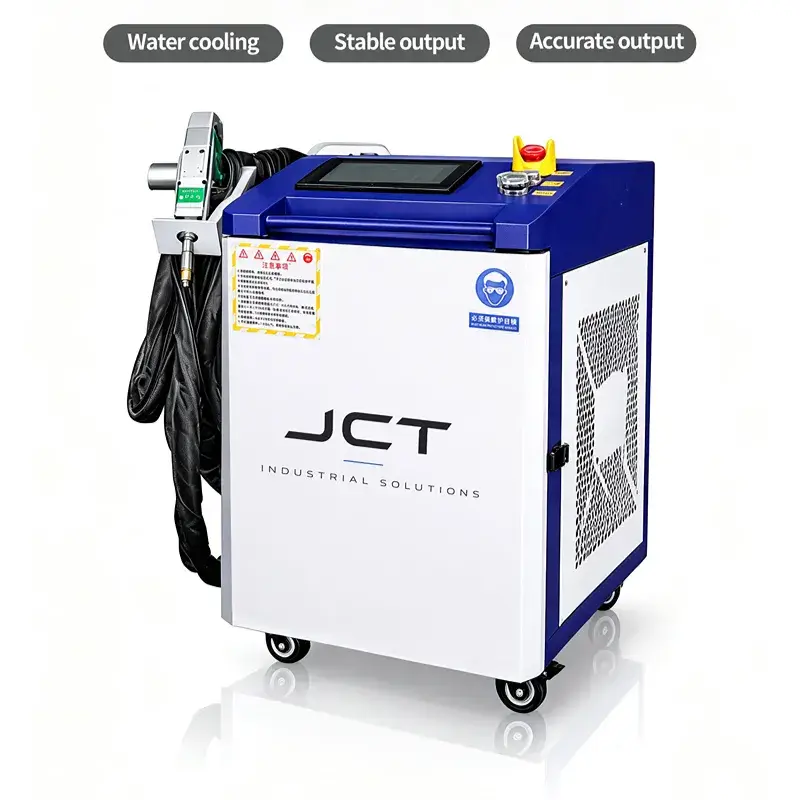
Bespoke brass coffee tables, custom stainless steel seating, and complex minimalist structures.
The ultimate tool for custom furniture designers. It allows operators to effortlessly navigate complex, multi-angled tube joints without causing flat spots or spatter. The rapid switch to cleaning mode means raw steel frames are prepped for premium powder coating instantly, eliminating the angle grinder bottleneck
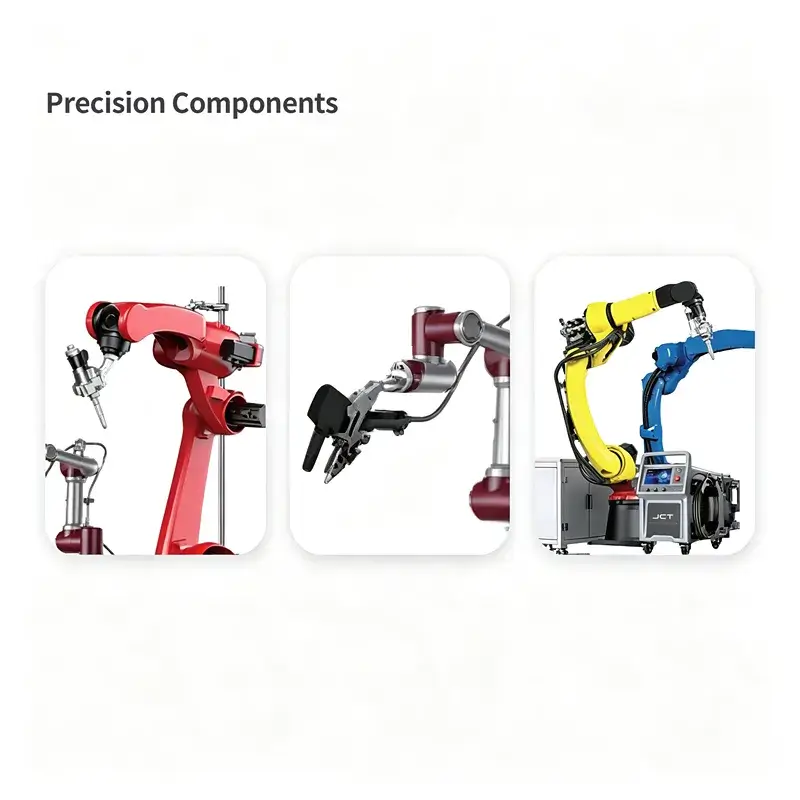
High-volume production of standardized office chairs, school desks, and outdoor patio furniture
Integrates our continuous wave (CW) lasers with 6-axis robotics for relentless mass production. Delivers flawless, identical joints on thousands of tubular frames 24/7. Eradicates manual inconsistencies, ensuring every chair passes BIFMA load-bearing tests without the need for manual touch-ups
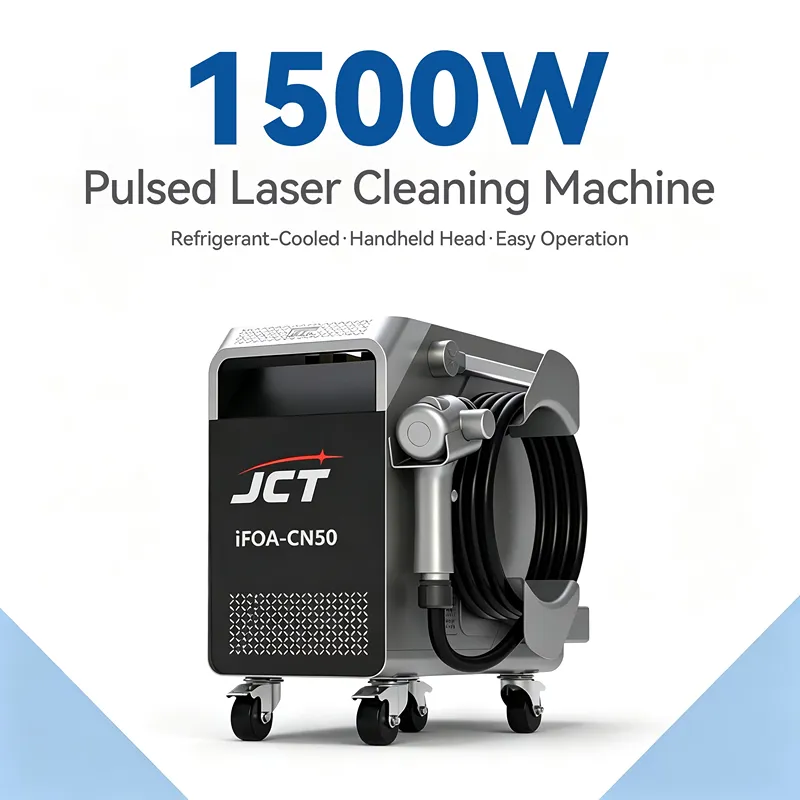
Restoring rusted carbon steel tubing inventory and preparing raw materials for high-end electroplating.
Uses nanosecond pulses to blast away deep mill scale and heavy storage rust from metal stock. Unlike sandblasting, it is non-abrasive, meaning the original smooth surface geometry of the round or square tubing is perfectly preserved for flawless luxury finishes.
Ideal for restoring aged sheet metal stock.
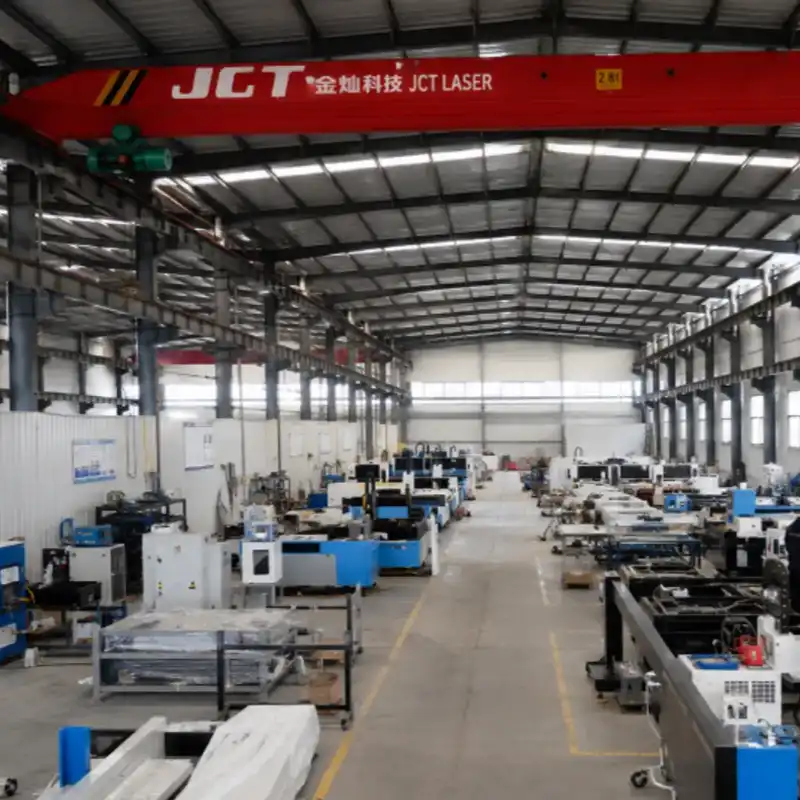
WHO WE ARE?
Manufacturingthe Future of Laser Fabrication & Quality Control.
With over 10 years of industry expertise, we have grown into a trusted source for industrial laser welding & fabrication processing systems and precision environmental testing equipment.
At JCT, we not only build machines; but also build reliability.
From rapid metal fabrication to simulating extreme -40°C climates for your material testing,we ensure every set of equipment meets strict global standards.
We are committed to accelerating your R&D cycles and safeguarding your brand’s reputation with robust, factory-direct solutions.
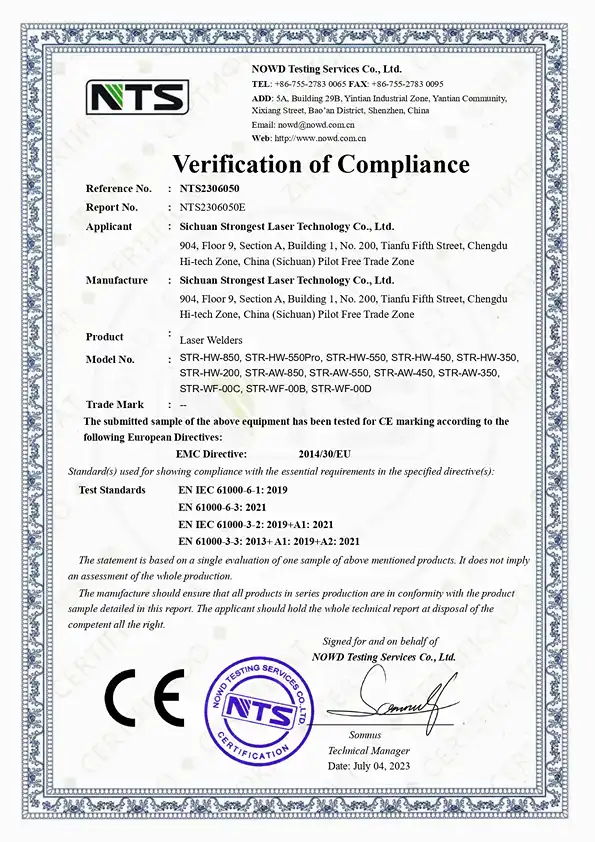
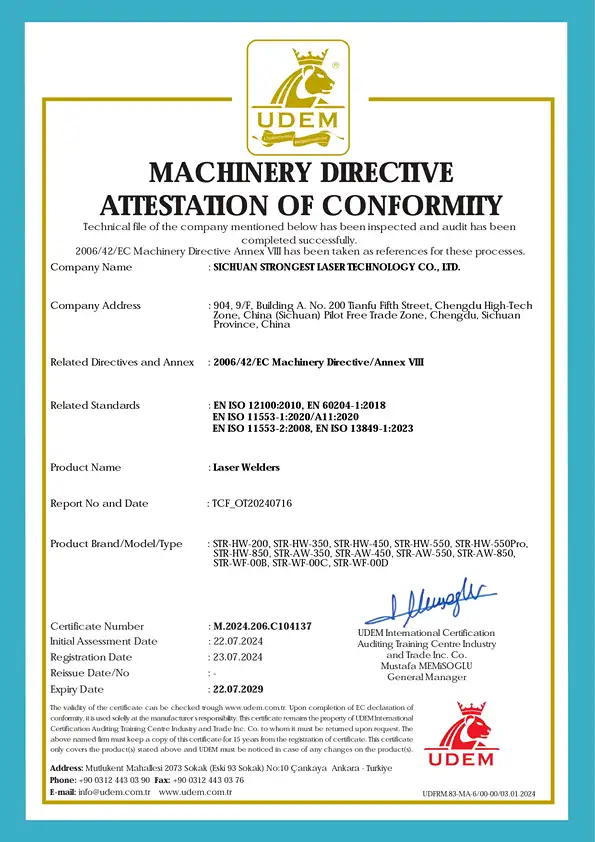
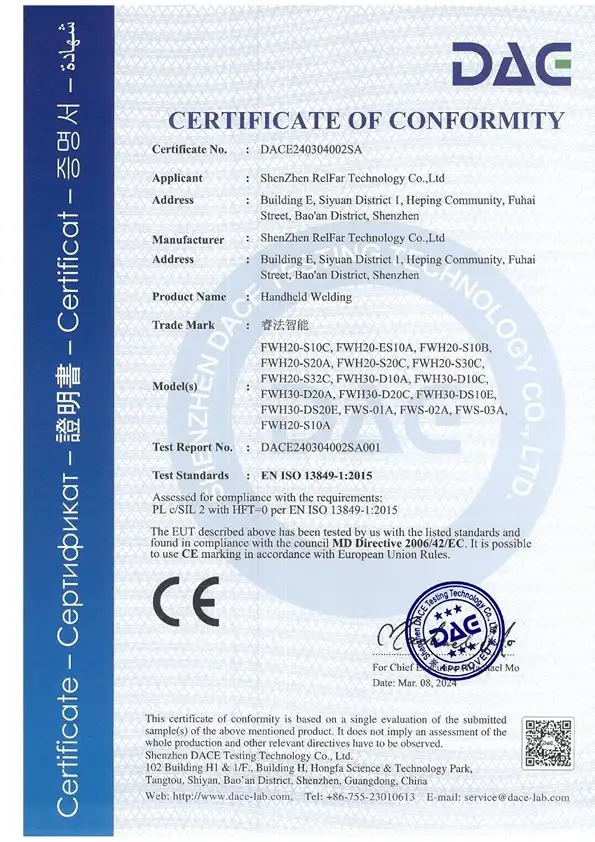
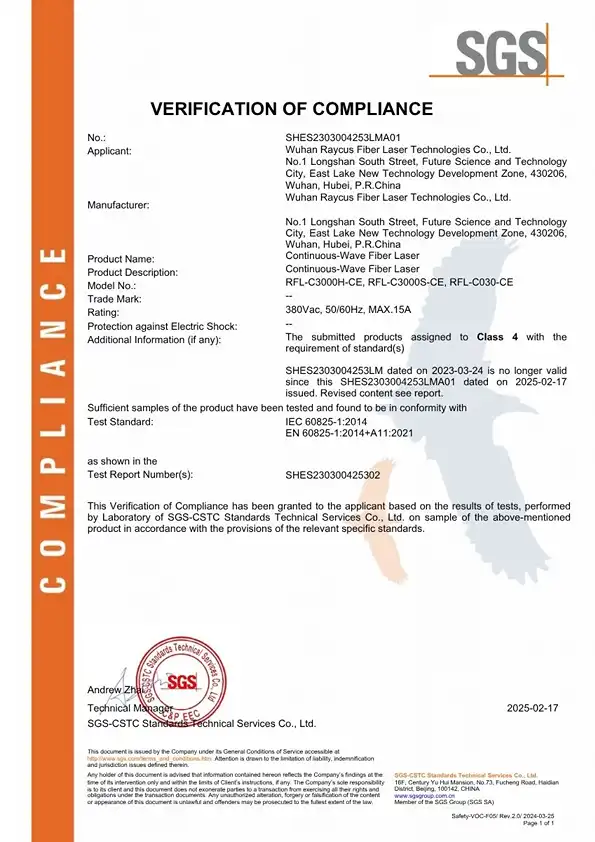
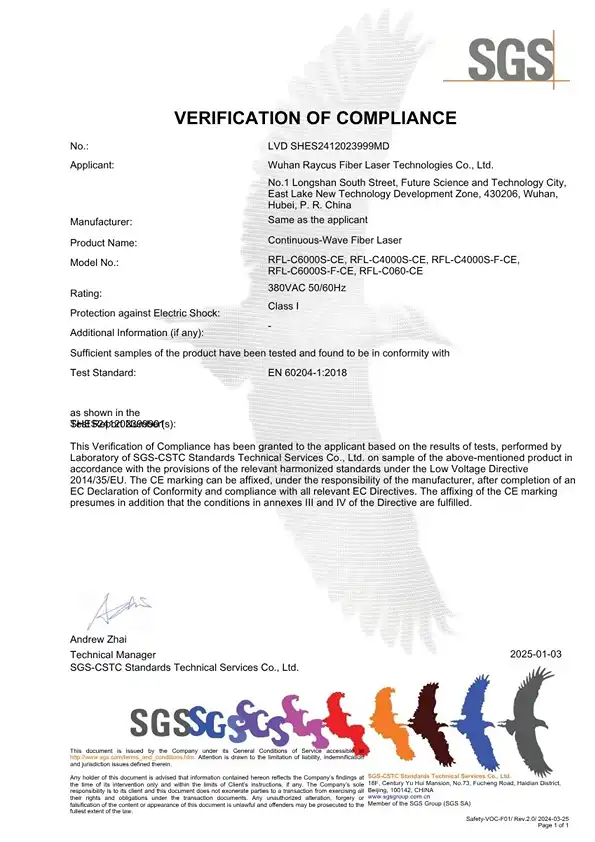
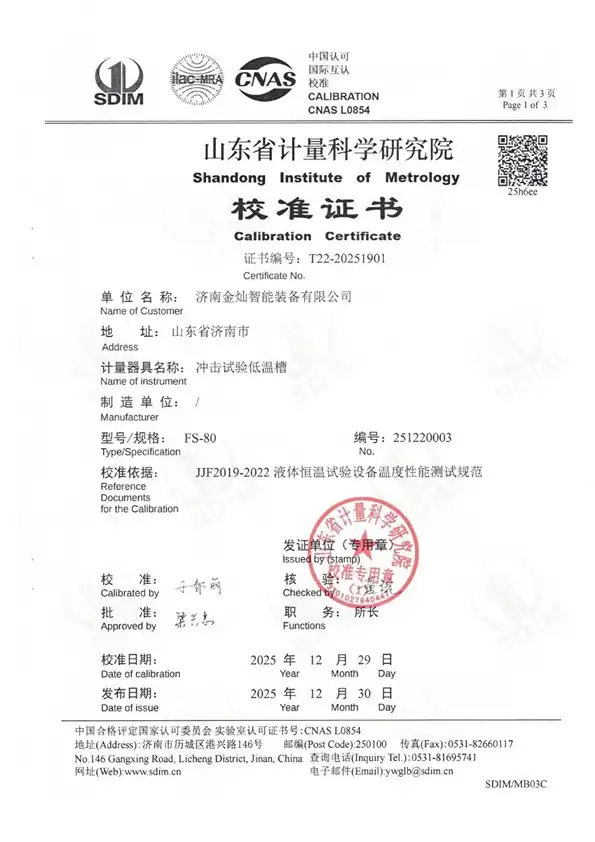
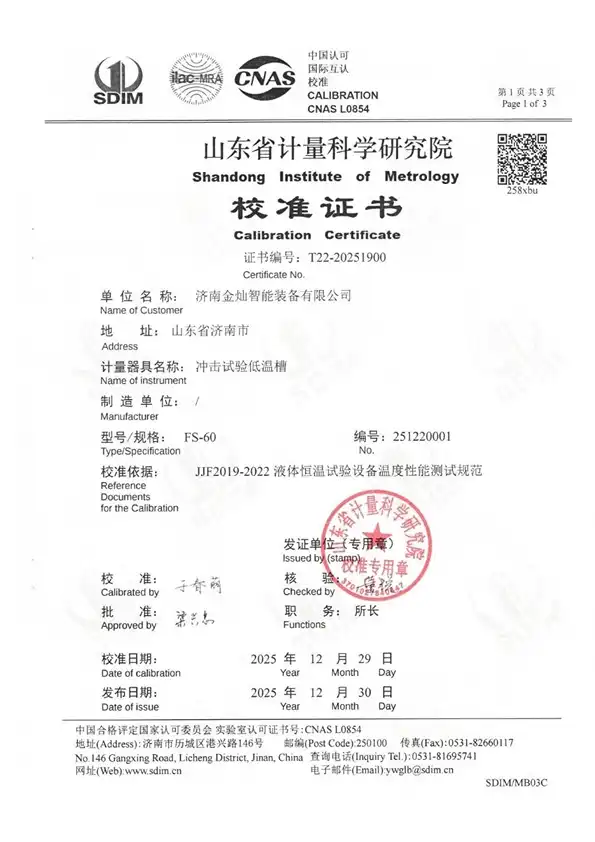
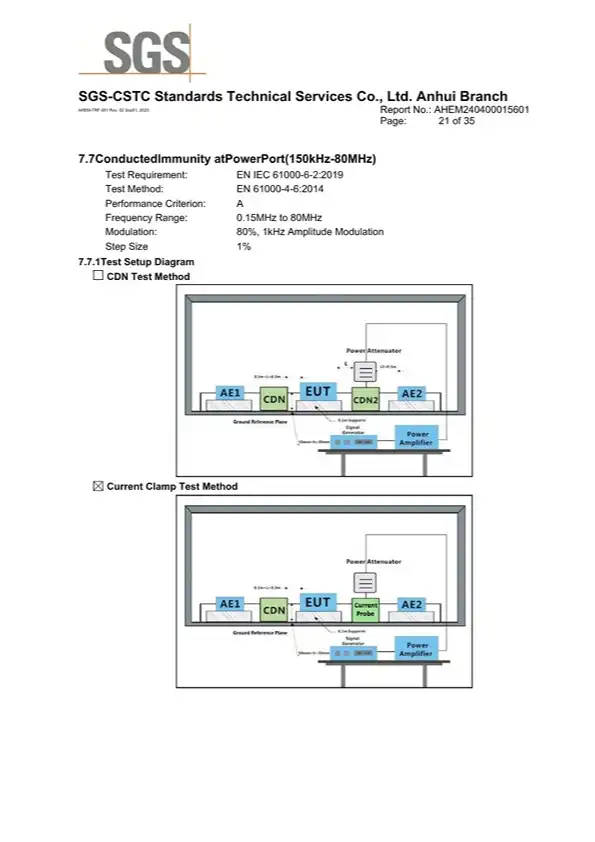
PREMIUM COMPONENTS ASSURANCE
Certified to Global Leading Standards
Reliability starts at the core. The key components that power our equipment—from the laser source to even the smallest electronic components—have all been certified to meet the world’s most stringent international standards.
GLOBAL PARTNERSHIPS
Trusted by Industry Leaders Worldwide
We take pride in powering the success of top-tier global manufacturers, research institutions, and industrial leaders. Our advanced laser and testing solutions are trusted worldwide to deliver uncompromising quality and peak performance.













FAQ
Q1: We weld 1.0mm carbon steel tubes, and MIG causes constant burn-through. Will a laser fix this?
Yes.
MIG welding lets thin tubes with unmanageable heat. Fiber lasers use incredibly concentrated energy ,it melts and freezes the joint instantly. The heat does not have time to spread, guaranteeing you can weld 1.0mm or even 0.8mm decorative tubing with zero risk of burn-through.
Q2: We waste massive amounts of time grinding MIG spatter off frames before powder coating. Does laser welding spatter?
No.
Because laser welding uses a highly focused beam rather than a turbulent electrical arc, it produces an incredibly stable molten pool. The process is virtually 100% spatter-free, allowing your frames to go straight from the welding table to the powder coating booth without aggressive mechanical sanding.
Q3: Can a handheld laser weld round and square tubing joints smoothly?
Absolutely.
Handheld lasers performance excelletly at complex geometries. The lightweight nozzle allows the operator to effortlessly trace the contours of T-joints, mitered corners, and intersecting round tubes, laying down a flush, aesthetic bead that maintains the design’s original curves.
Q4: If the tubes are cut with a saw and have a slight gap, can the laser still weld them?
Yes.
Our systems feature an automatic, synchronized wire feeder. Matching with the laser’s “wobble” (oscillation) function, you can effortlessly bridge imperfect cuts and gaps up to 1.5mm while maintaining structural strength.
Q5: We fabricate luxury furniture out of brass and aluminum. Can your lasers weld highly reflective metals?
Yes.
JCT continuous wave (CW) fiber lasers operate at a 1064nm wavelength. The high power density instantly overcomes the reflectivity threshold of brass, copper, and aluminum, forming a stable keyhole to weld these luxury metals flawlessly without the beam bouncing back and damaging the optics
Q6: Do we need to clean the carbon steel tubes before laser welding?
Oil and rust should be removed before welding. Fortunately, the JCT 3-in-1 system handles this natively. You just need to simply switch the machine to “Cleaning Mode” and sweep the laser over the joint for two seconds to instantly ablate away the rust and drawing oils, prepping the tube for a perfect weld.
Q7: Will the weld bead be flat enough that we don't need to grind it down?
In most cases, yes. The laser produces a highly aesthetic, slightly concave or perfectly flush seam depending on your parameters and wire feed speed. For minimalist designs, the weld is often visually acceptable as-is. If you desire a completely invisible, smoothed corner, the required polishing time is reduced by 80% compared to a MIG weld.
Q8: How difficult is it to train our assemblers to use a handheld laser?
Unlike TIG or MIG, which require years of muscle memory to manage puddle heat and wire feeding simultaneously, the laser system automates these variables. The operator simply guides the light. An entry-level assembler can learn to produce flawless, furniture-grade joints in less than an hour.
Q9: What safety equipment is required in our furniture assembly area?
As Class 4 lasers, eye safety is critical. You must set up an enclosed welding booth using laser-safe curtains or panels to block invisible scattered light from the rest of the factory. Operators must wear the provided wavelength-specific safety goggles and standard protective clothing.
Q10: What is the ROI timeline for a high-end metal furniture manufacturer?
Most furniture manufacturers see a full ROI within 5 to 8 months. This is achieved by welding up to 4x faster, completely eliminating the labor bottleneck of grinding/polishing, reducing scrap from burn-through, and enabling the hiring of entry-level operators instead of high-wage master welders.
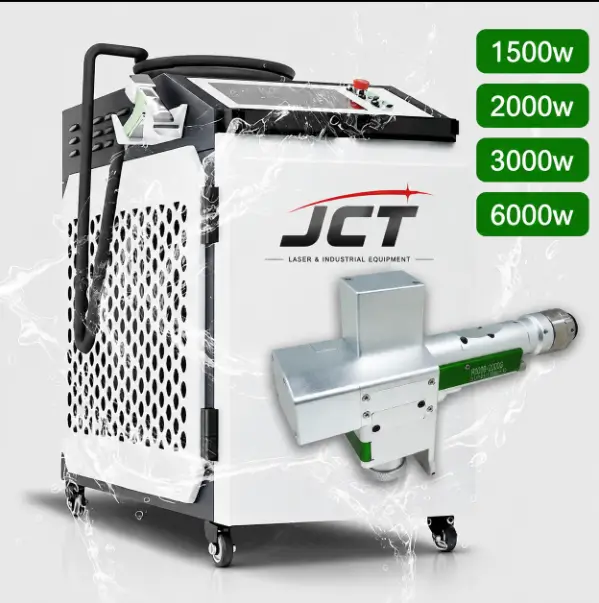
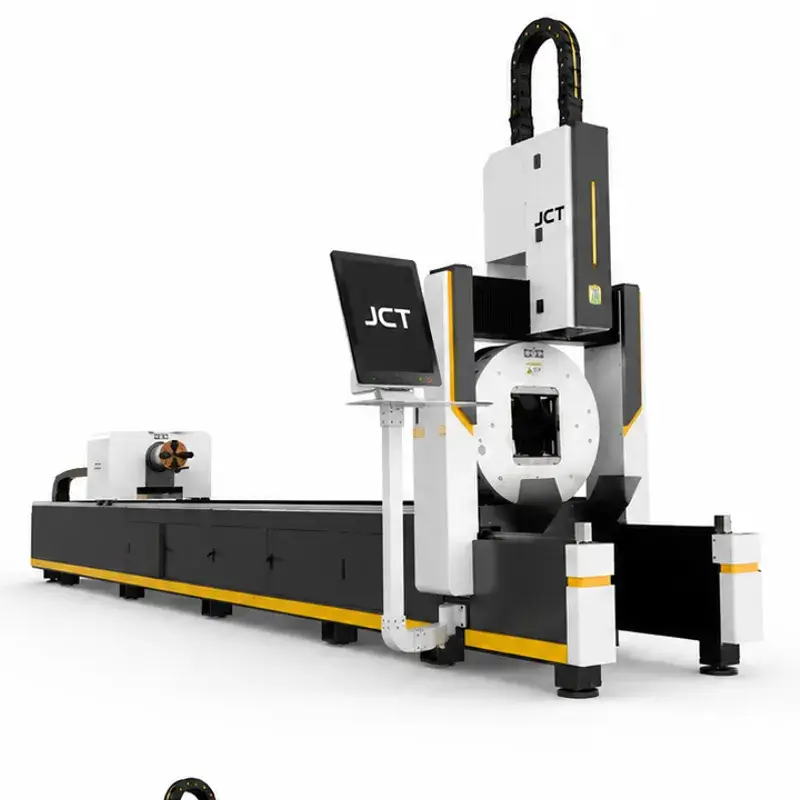
Related Products
Get a Factory-Direct Custom Quote
Stop wasting labor on grinding MIG spatter and repairing thin-tube blowouts.
Tell our application engineers about your specific furniture materials (e.g., carbon steel, brass, aluminum) and tube thicknesses. We will recommend the exact JCT laser configuration to upgrade your assembly line, complete with a direct factory quote within 12 hours