
Extreme Environmental Testing Chambers for automotive ADAS
The environmental test chamber solutions can simulate extreme road conditions—from freezing blizzards to scorching engine compartments.
The Fabrication Challenge
The Advanced Driver Assistance Systems (ADAS) and Engine Control Units (ECUs) must process gigabytes of data flawlessly ,while they are bolted to vibrating engines, exposed behind grilles, or trapped under scorching windshields. Without extreme environmental stress screening, manufacturers will face fatal hardware failures
CTE Mismatch & Solder Joint Fractures
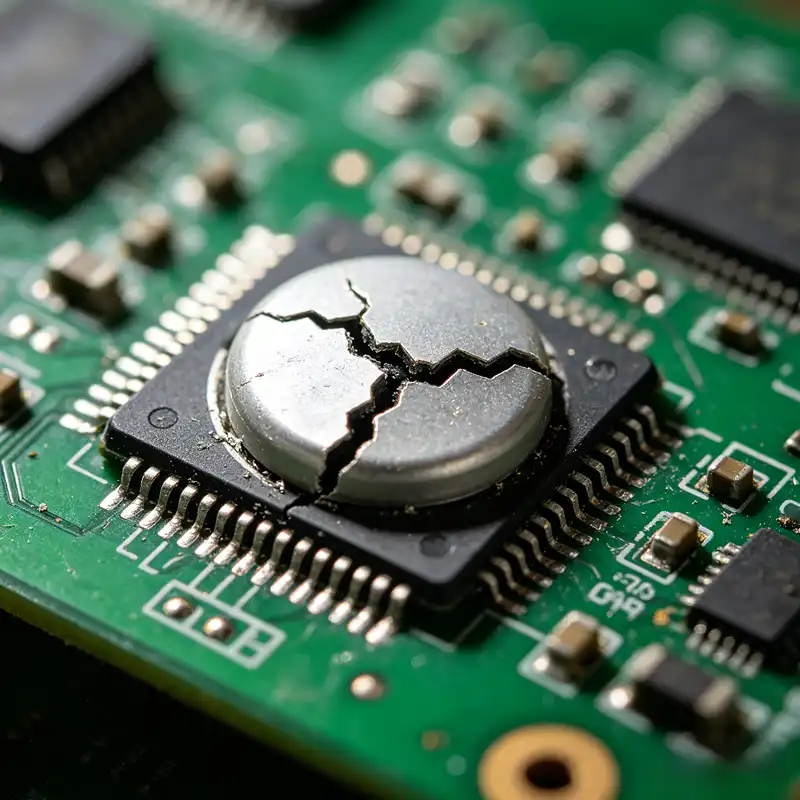
As a car drives out of a heated garage into -20°C winter air, the electronics experience rapid thermal shock. The silicon chip, the copper traces, and the FR4 PCB board all have different Coefficients of Thermal Expansion (CTE). They expand and contract at different rates. This constant tug-of-war causes severe mechanical fatigue on the microscopic BGA solder joints, resulting in snapping them and killing the ECU instantly
Lens Condensation in Vision Systems (LiDAR & Cameras)
ADAS cameras and LiDAR systems rely on perfect optical clarity. When high humidity is combined with fluctuating temperatures, moisture can bypass IP-rated seals, causing condensation to form on the inside of the lens. A fogged sensor blinds the autonomous driving system, resuling in dangerous phantom braking or failure to detect pedestrians.
The "Under-the-Hood" Oven Effect
Powertrain ECUs and sensors mounted near the engine block or exhaust manifold must survive ambient temperatures exceeding 125°C to 150°C. Prolonged exposure to this extreme heat degrades conformal coatings, accelerates the aging of electrolytic capacitors, and causes semiconductor logic gates to fail, necessitating rigorous accelerated life testing (ALT).
Why Automotive Adas need Climatic testing Chambers?
Thermal Shock (Latent Defect Screening)
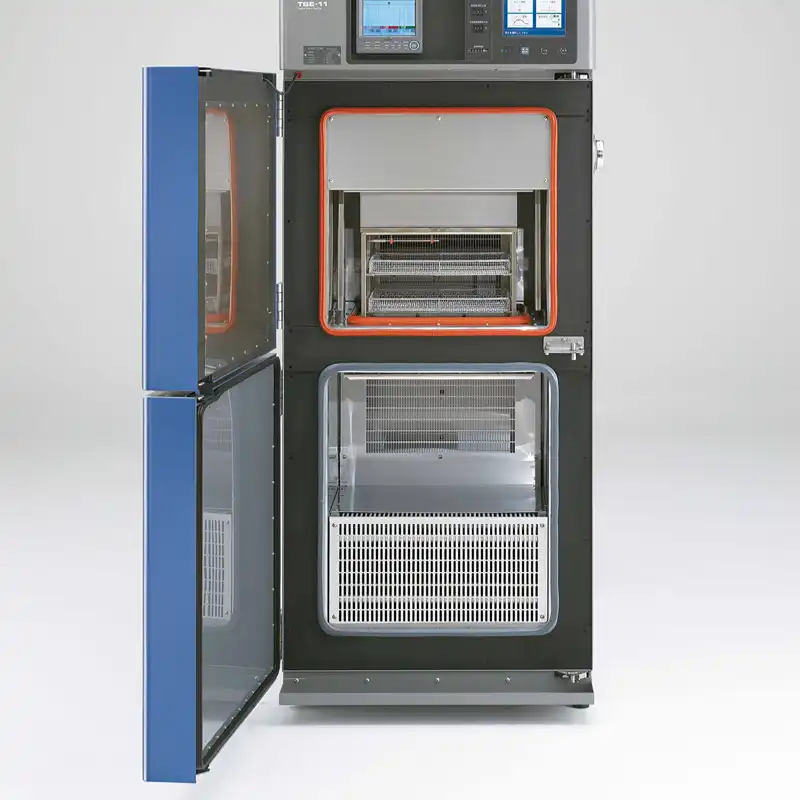
Bare PCBs and fully assembled ECUs are placed into JCT 2-Zone Thermal Shock Chambers. The pneumatic basket violently shifts the components from -40°C to +125°C in mere seconds. This aggressive thermomechanical stress instantly exposes weak solder joints, delaminating PCB layers, and mismatched CTEs that would otherwise cause infant mortality in the field
Climatic Cycling (Seal & Optical Integrity)
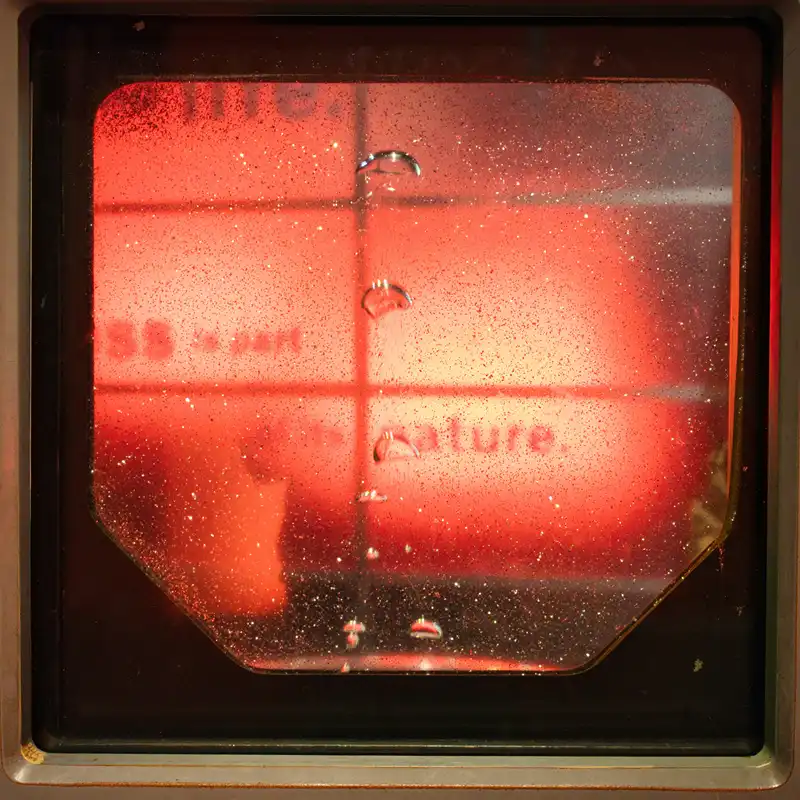
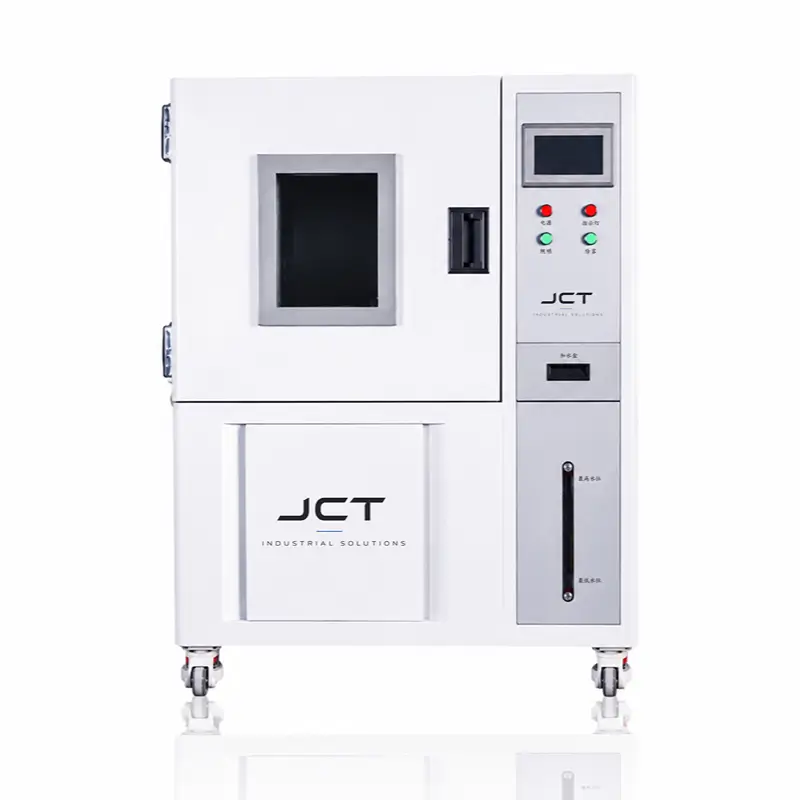
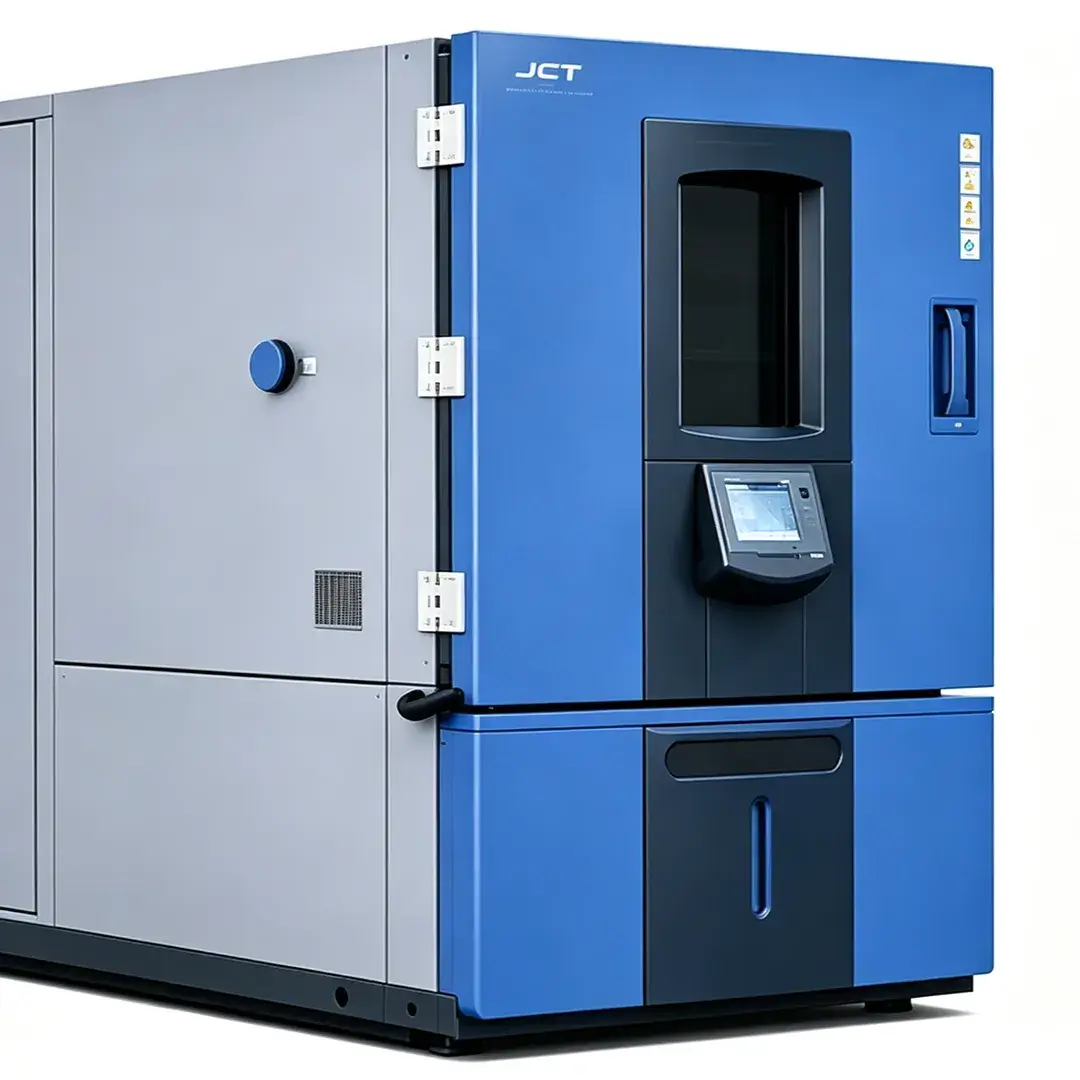
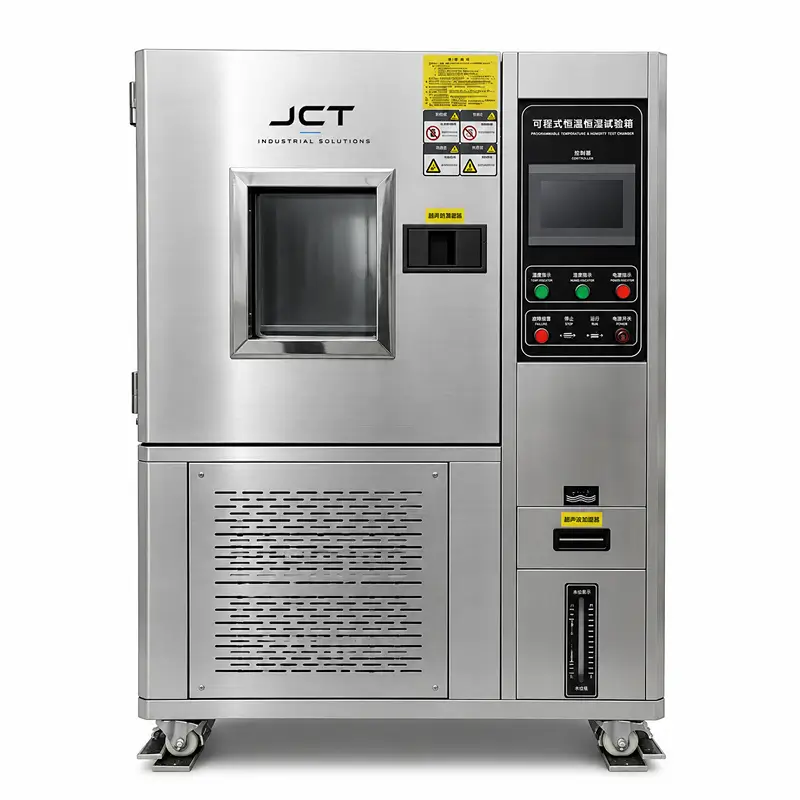
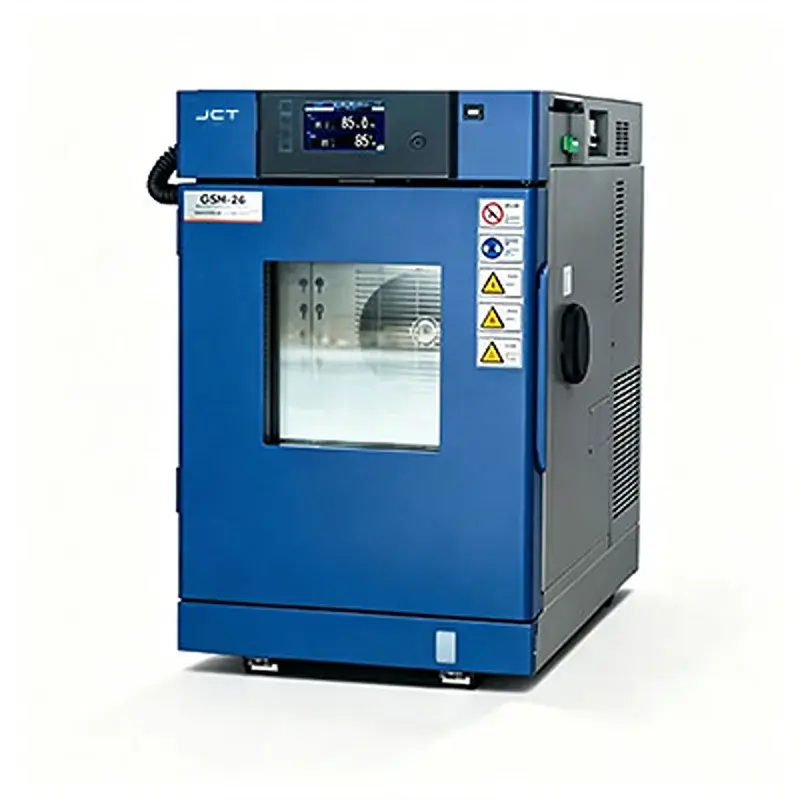
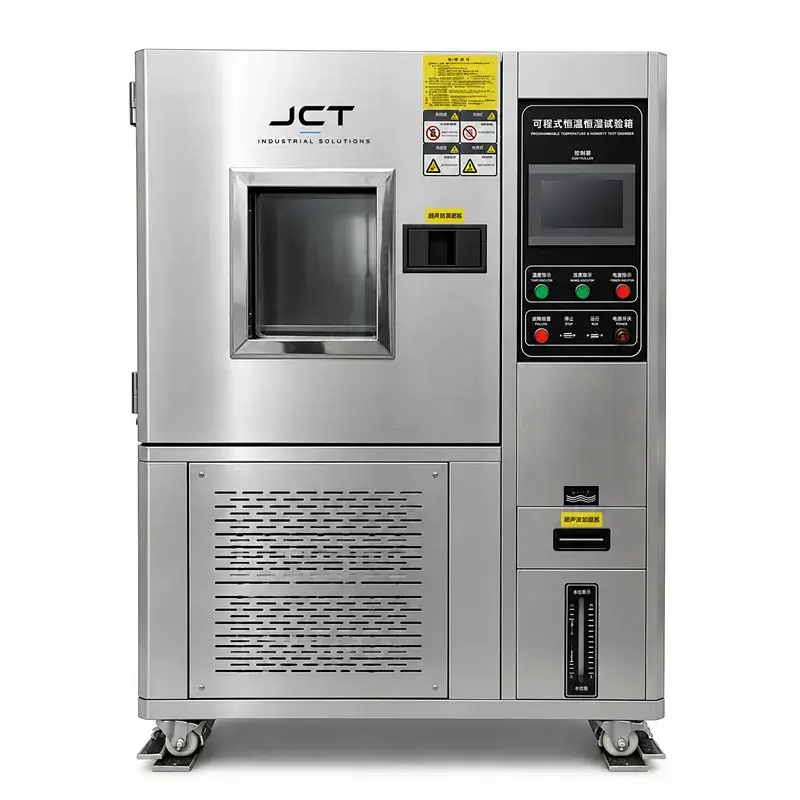
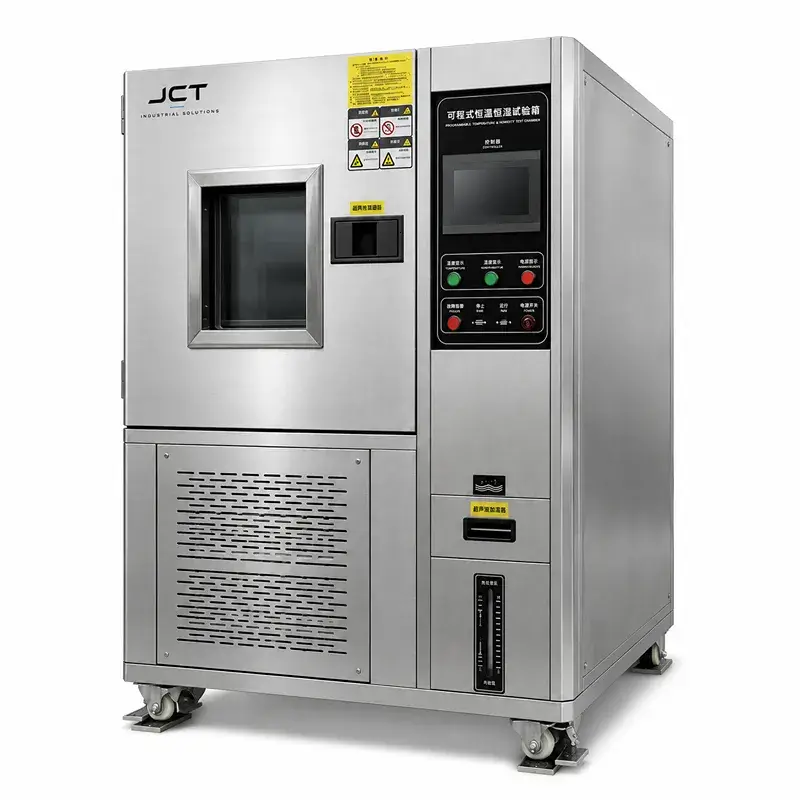
Sealed LiDAR units, radar transceivers, and ADAS cameras are placed in JCT Temperature & Humidity Chambers. By cycling through “Double 85” (85°C / 85% RH) and freezing temperatures, engineers test the integrity of the Gore-Tex vents and epoxy seals. This confirms that no condensation will form inside the lenses during real-world driving conditions.

Rapid Temperature Cycling (Accelerated Aging)
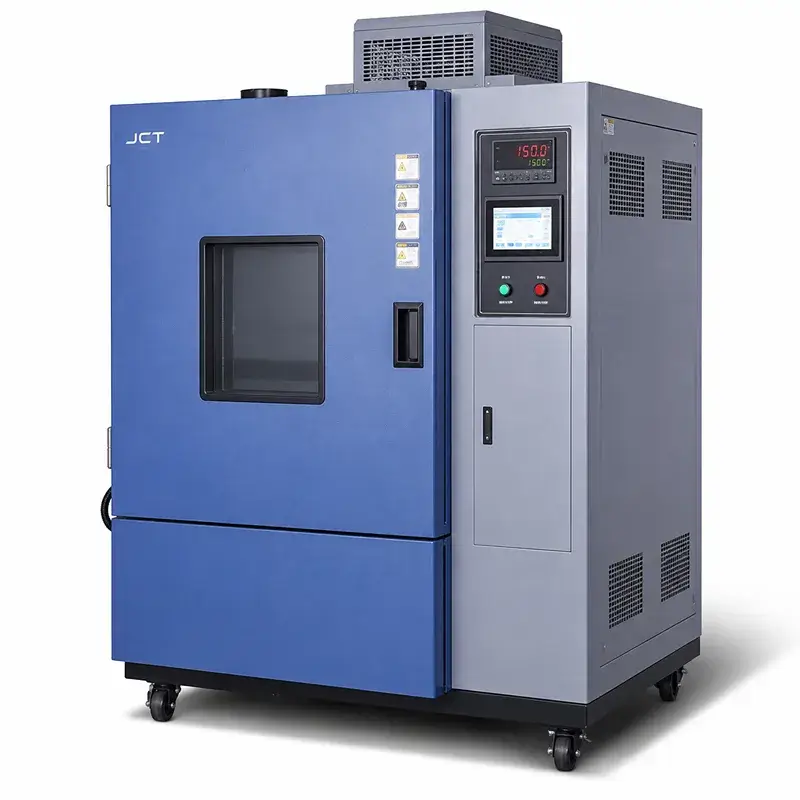
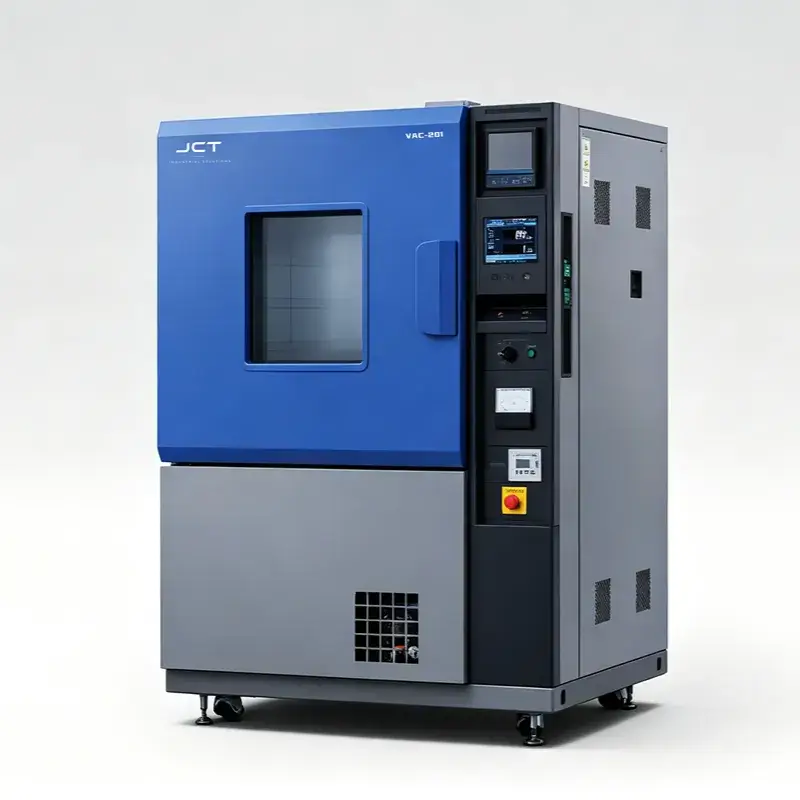
For massive autonomous domain controllers generating their own internal heat, JCT Rapid Rate Chambers (ESS) change ambient temperatures at 10°C to 20°C per minute while the ECU is powered on and communicating via CAN bus. This Highly Accelerated Life Testing (HALT) simulates years of driving in weeks, validating both the hardware and the active cooling systems
for Auto Electronics We CAN Supply
Solder joint reliability, potting compound validation, and screening for PCB manufacturing defects.
Built for maximum thermomechanical stress. Featureing a pneumatic basket ,it physically transfers ECUs between a dedicated hot zone and cold zone in under 10 seconds. Complies fully with the aggressive thermal shock profiles dictated by GMW 3172 and AEC-Q100, exposing physical vulnerabilities instantly.
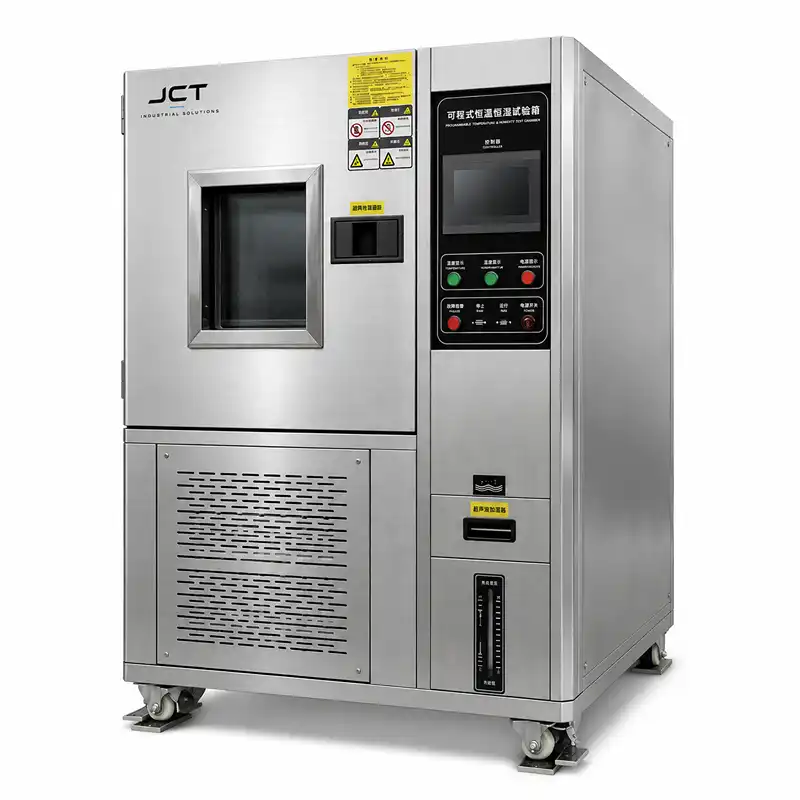
ADAS camera lens anti-fog testing, LiDAR seal integrity, and conformal coating validation under damp heat
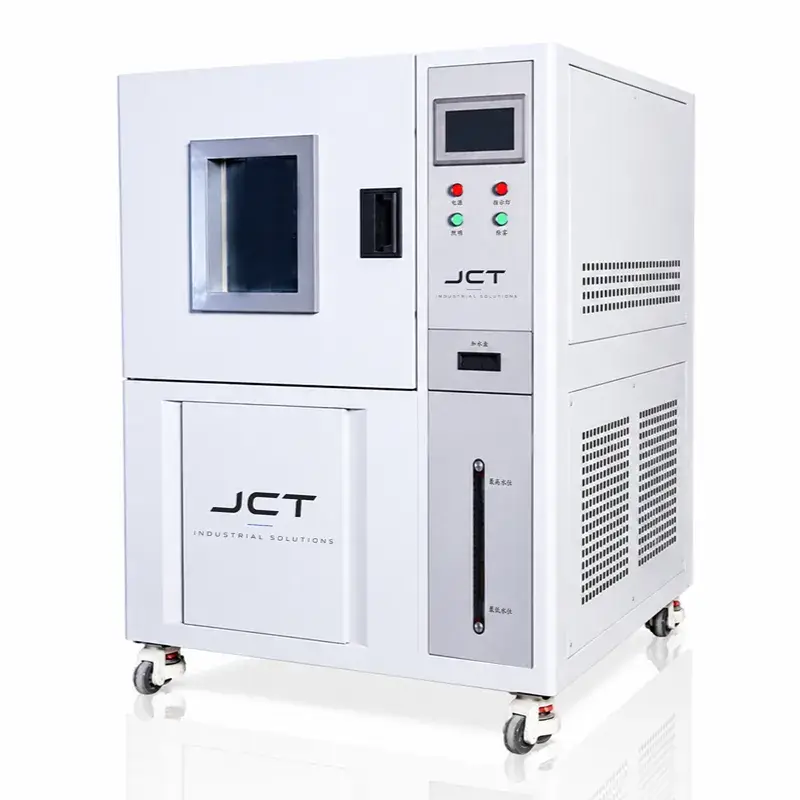
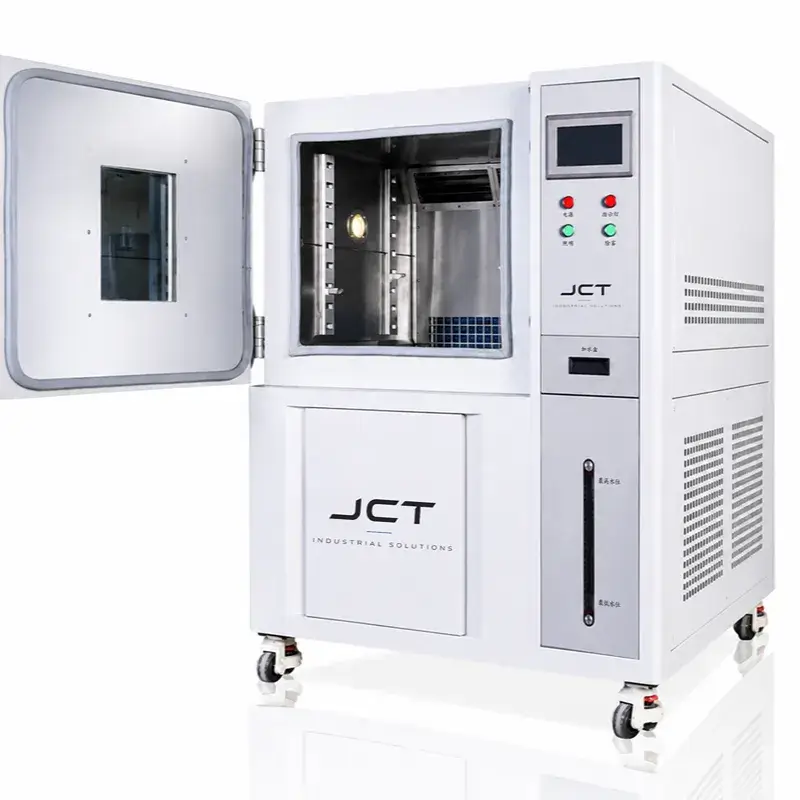
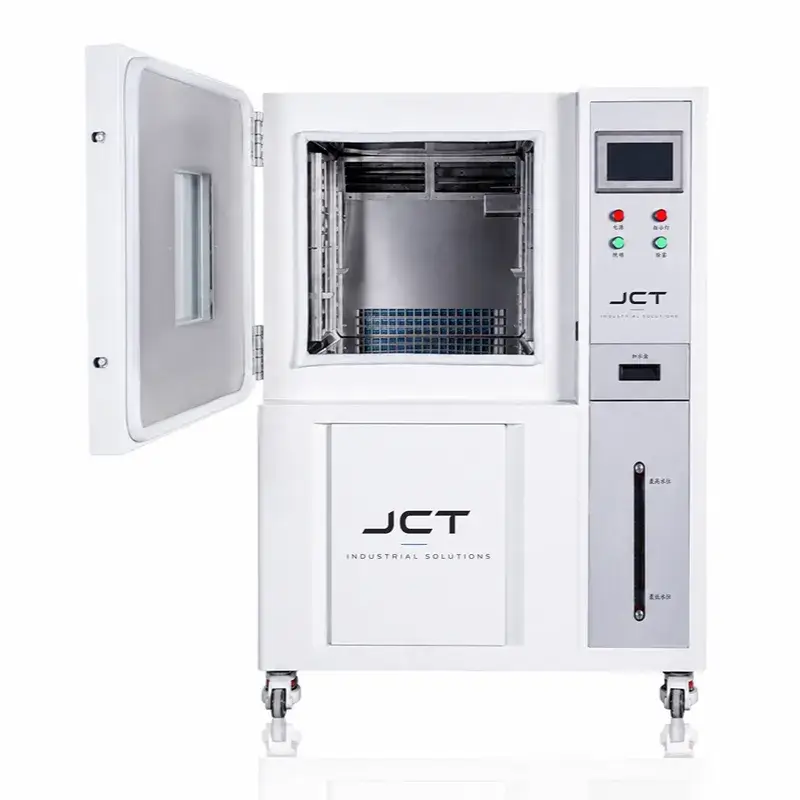
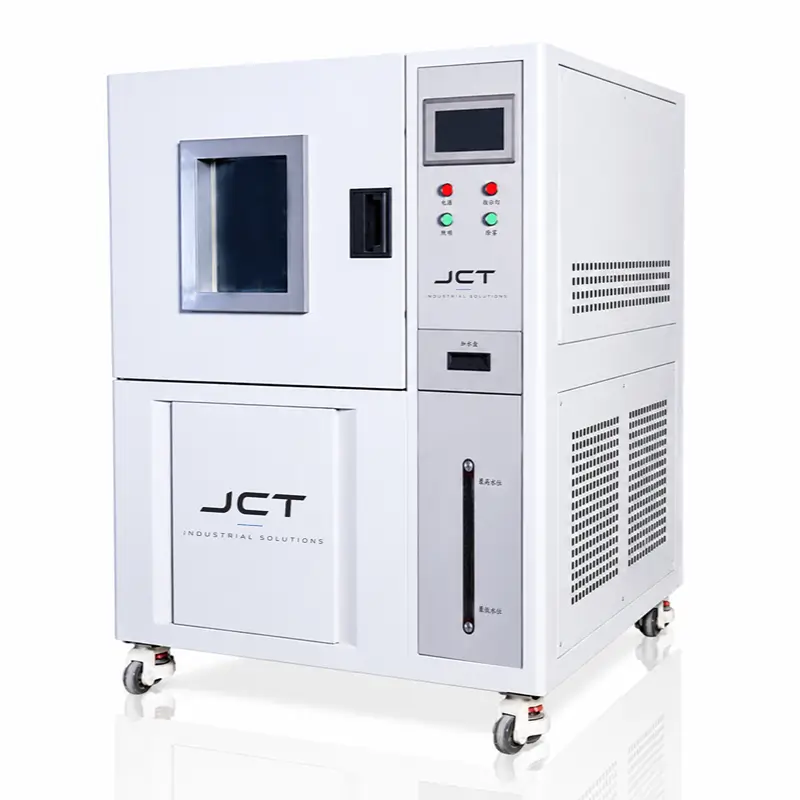
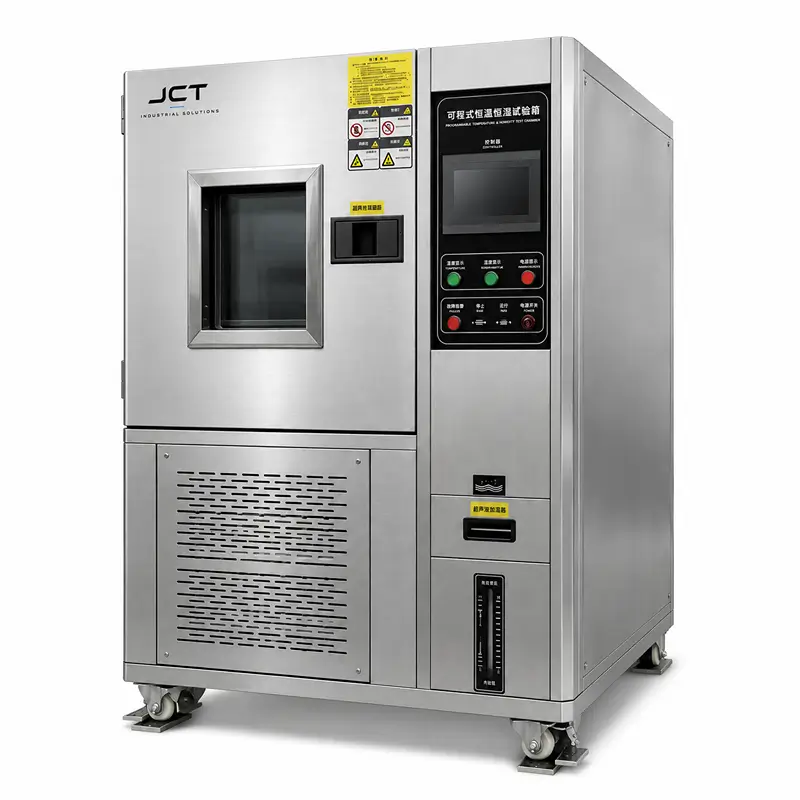
Unrivaled climatic precision. Controls humidity from 10% to 98% RH alongside extreme temperatures. Features heated, condensation-free viewing windows to visually inspect sensor lenses during testing. Essential for executing the complex humidity profiles required by ISO 16750-4
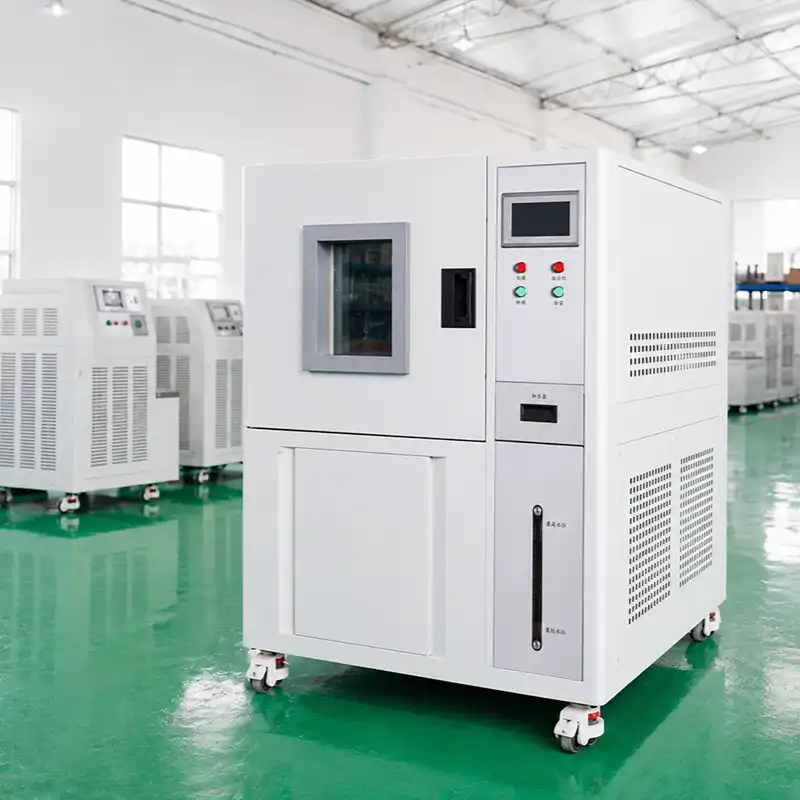
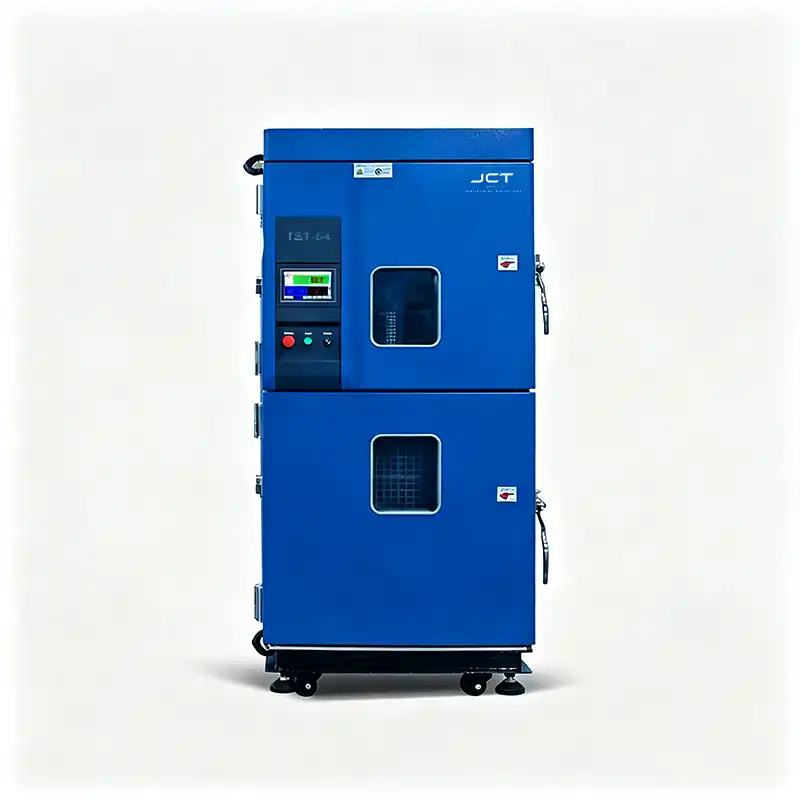
Highly Accelerated Life Testing (HALT) for active autonomous domain controllers, infotainment systems, and powertrain ECUs
Massive cooling power. Achieves linear temperature ramp rates of 10°C, 15°C, or 20°C per minute. Equipped with specialized hermetic access ports, allowing engineers to route heavy wire harnesses and CAN/LIN bus cables into the chamber to monitor live ECU performance during extreme thermal stress.
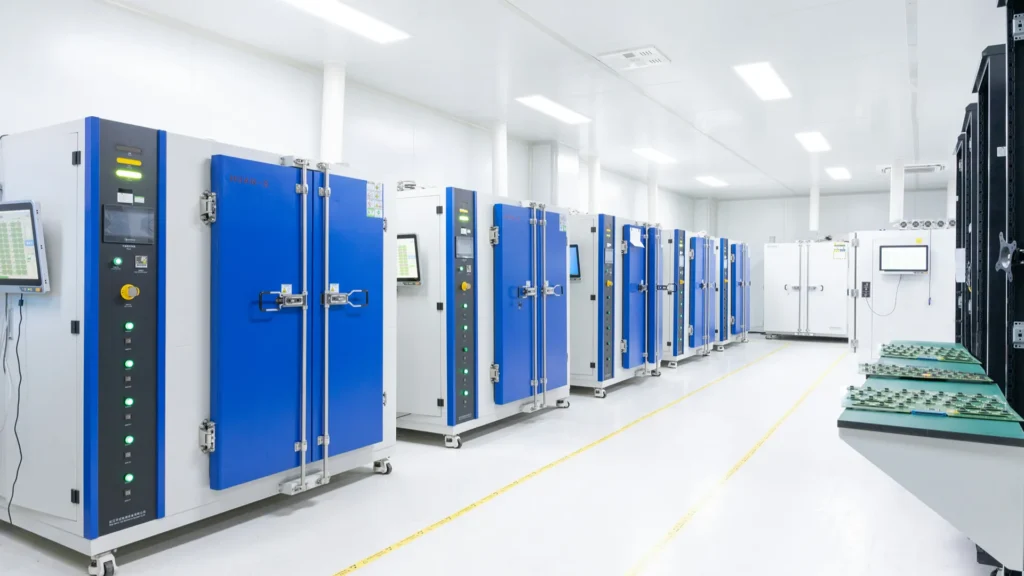
Direct Manufacturer of Environmental Test Chambers
WHO WE ARE?
We build environmental test chambers. We help you test raw materials and finished products under extreme conditions. We find potential quality risks before mass production, protecting your products from costly returns.
With over 10 years of industry experience, we cover a full range of equipment: +180℃ high temperature, -70℃ to +180℃ temperature & humidity, thermal shock, and salt spray corrosion chambers.
We have strong R&D and manufacturing power. We accept custom orders to match your exact test standards.
We hold over 30 patents. We are ISO9001 and CE certified. Our products are exported to 50+ countries, including Europe, North Europe, Australia, Latin America, and Southeast Asia.
We are the direct source factory—no middlemen. Choose JCT, and let us safeguard your product quality.
We hold multiple product patents. We are ISO9001 and CE certified.
Choose JCT. Choose a lifelong partner.
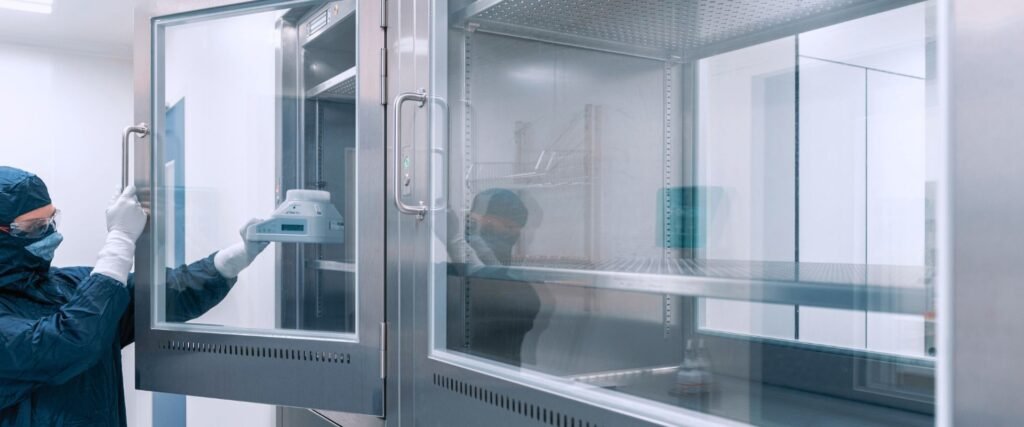
OUR CORE ADVANTAGES
Why Choose Us
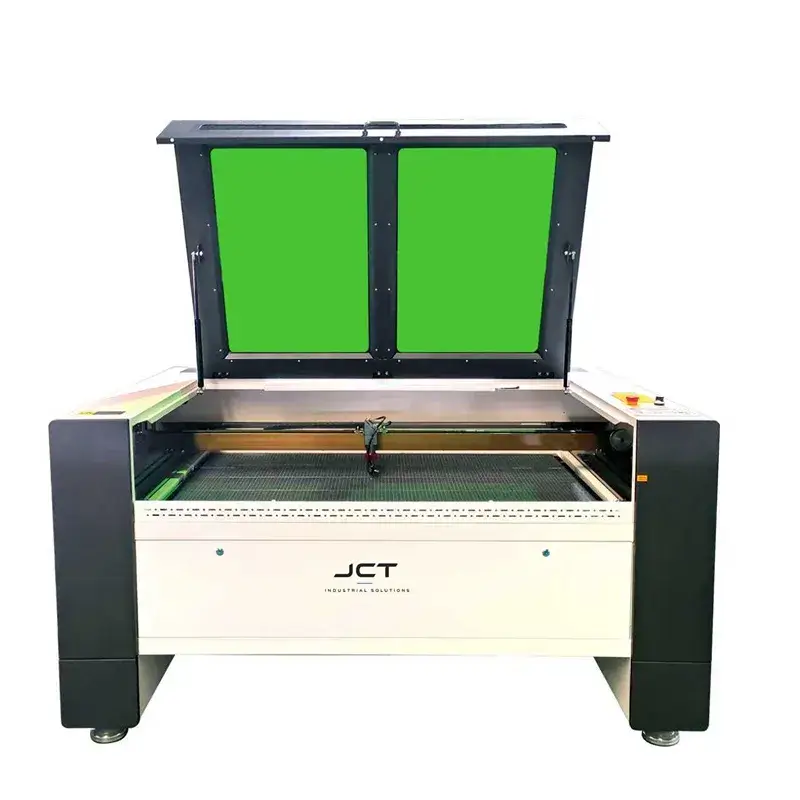
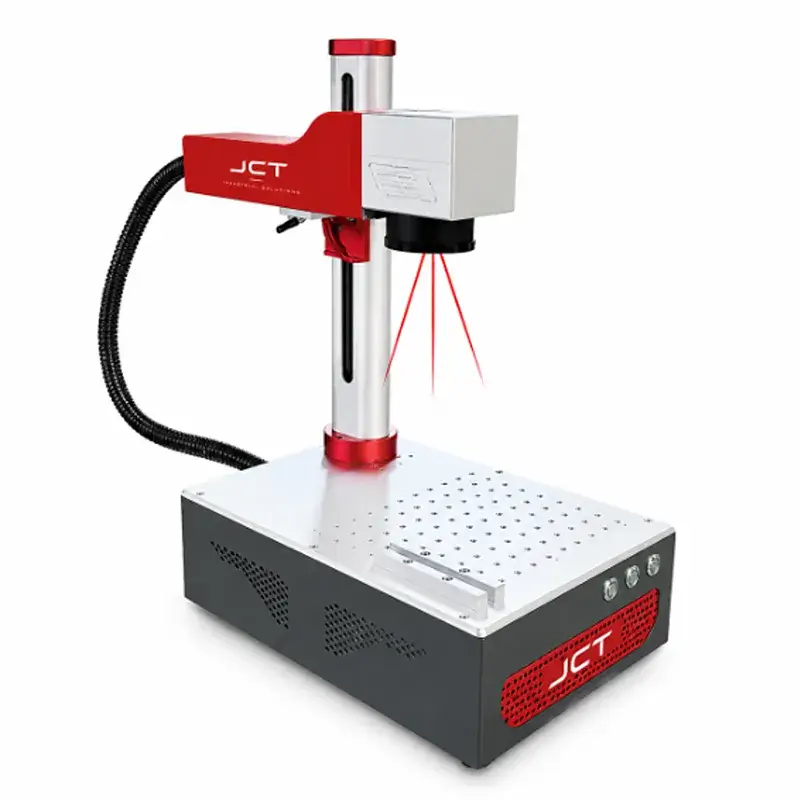
With over 10 years of rich industry experience, we are committed to served as a comprehensive technology manufacturer partner worldwide.We understand that your successful product relies on two core pillars: efficient manufacturing and uncompromising quality control.As a result, we offer a dual-core product line: first, laser and FAB solutions that ensure efficient manufacturing; and second, environmental test chambers for testing the performance of your products—all designed to address your specific industry issues and challenges.
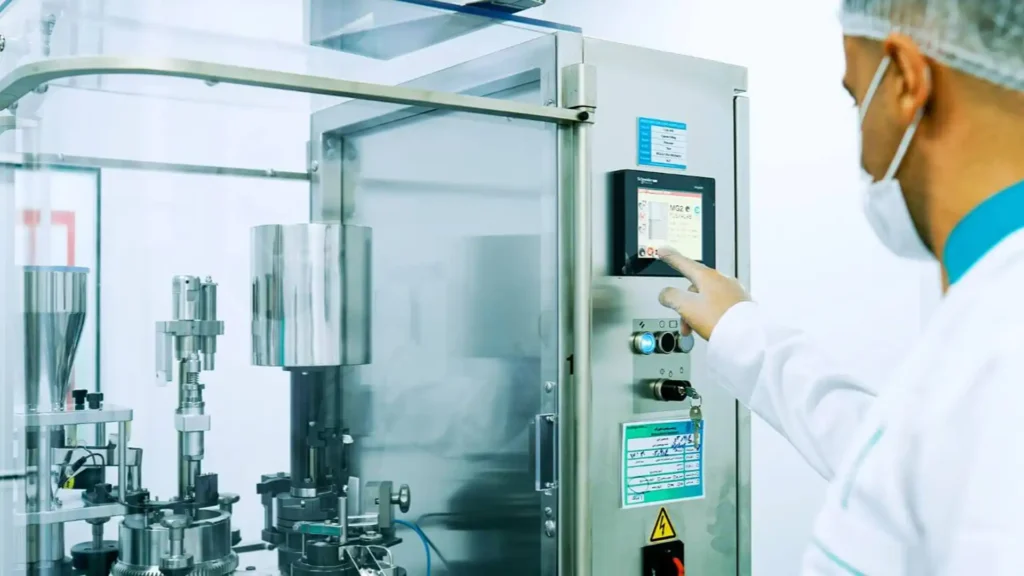
Industry-Specific Customization
Whether you’re in the sheet metal or metalworking industries, or specialize in testing semiconductors and automotive electronics, our equipments all can be customized to meet your specific needs. We don’t just sell standard machines—we provide precise solutions that perfectly match your material and environmental requirements.
High-Efficiency Manufacturing
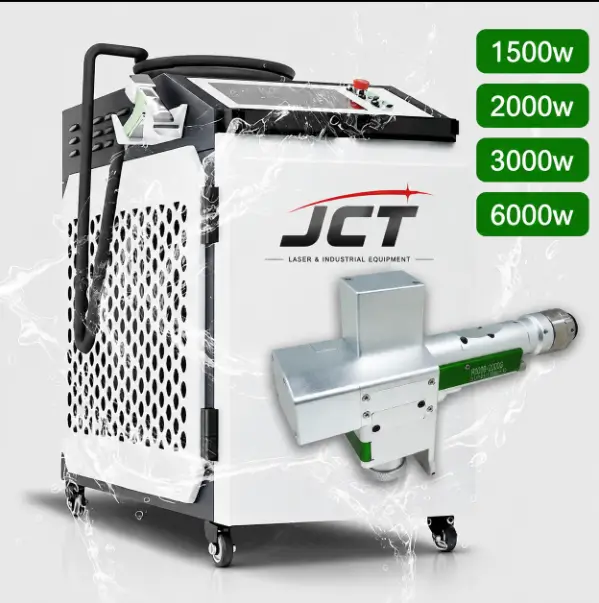
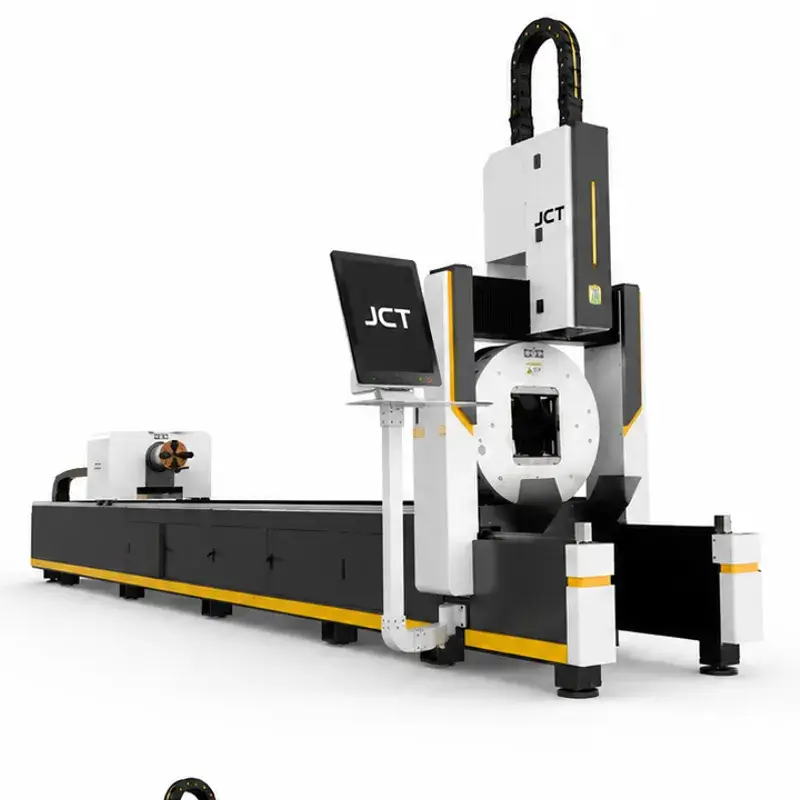
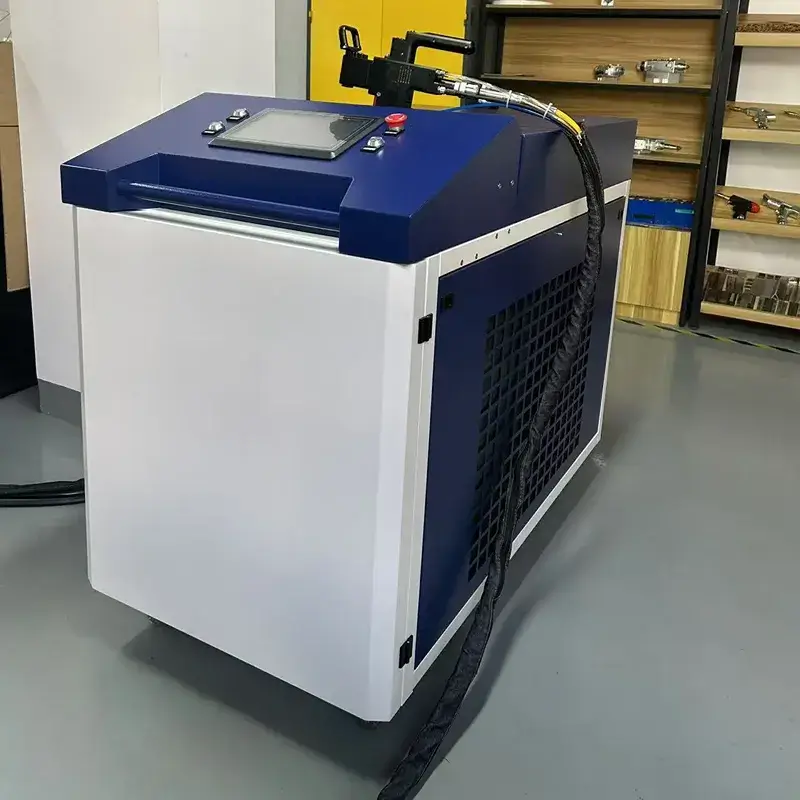
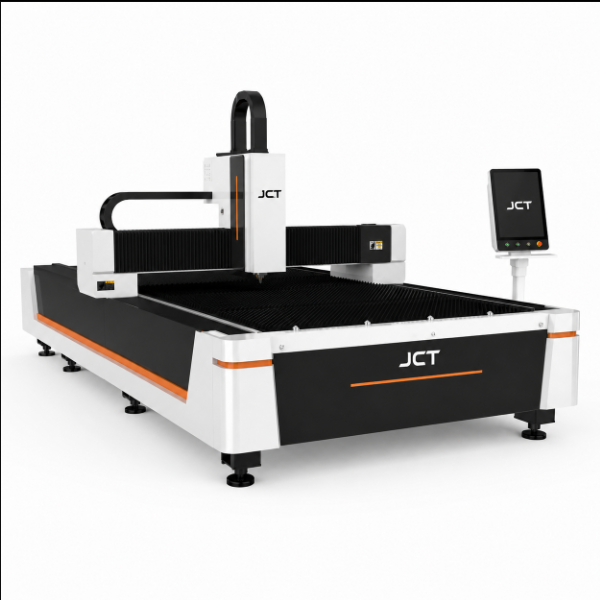
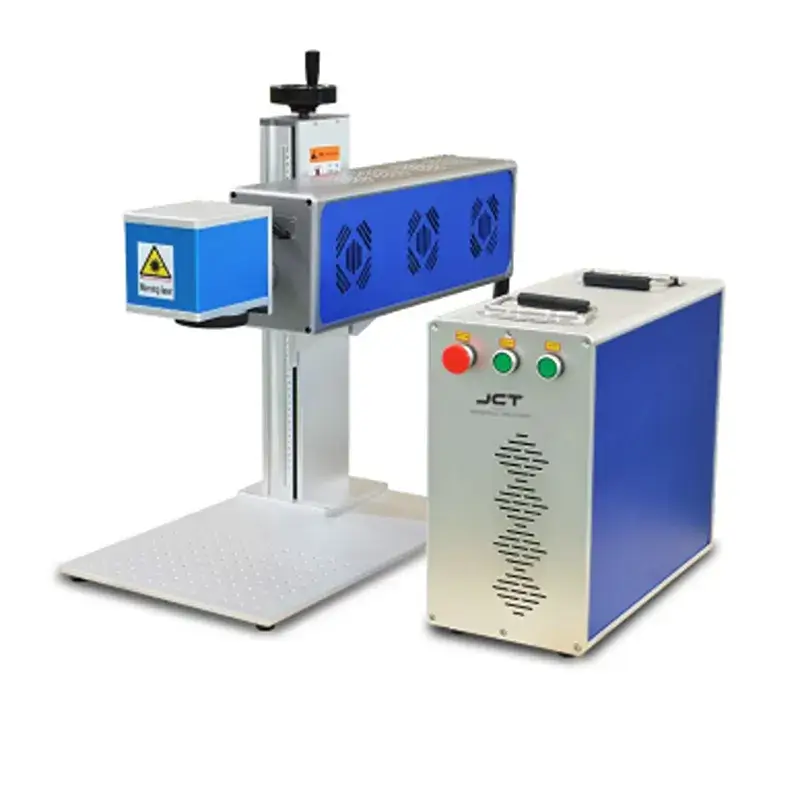
In the manufacturing process, time is your most valuable treasure. We offer fiber laser welding, cutting, and cleaning,etc solutions . All of them can provide deep penetration, distortion-free welding, precise cutting, and efficient cleaning for sheet metal and various types of metal processing.
Compliance and Quality Control
We ensure that your finished products can pass the most rigorous environmental testing. Our environmental test chambers help you meet strict global standards such as JEDEC, AEC-Q100, and key battery safety certifications, all these can shorten your R&D cycle and eliminating the risk of customer returns .
10+ Years & Global Support
With over a decade of technical expertise and a robust supply chain, we guarantee on-time delivery worldwide. More importantly, our engineering team will provide lifetime technical support, and we are committed to being your stable and reliable partner and friend for life.
PREMIUM COMPONENTS ASSURANCE
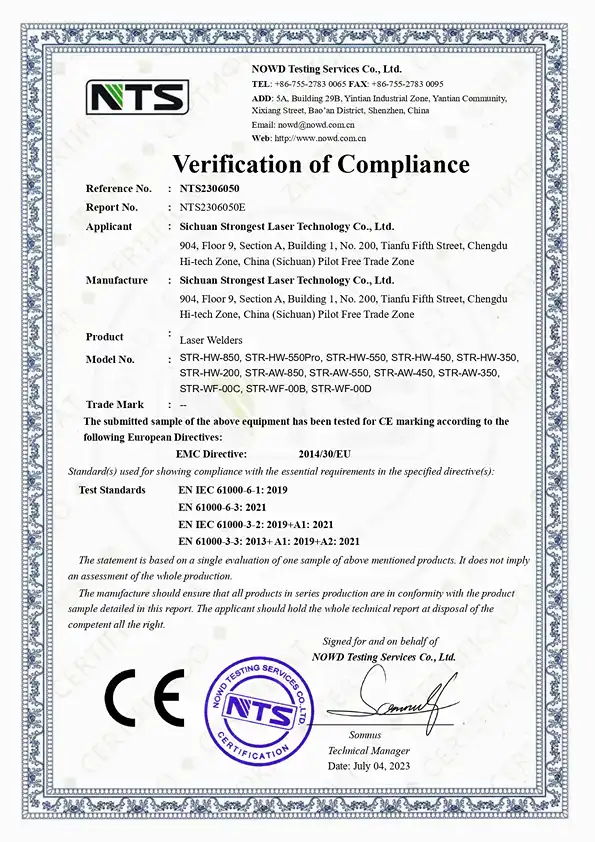
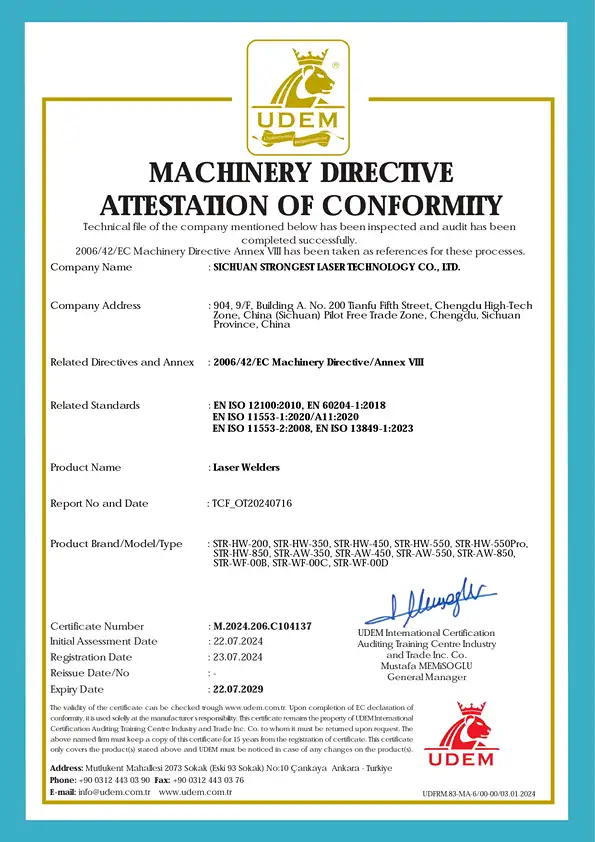
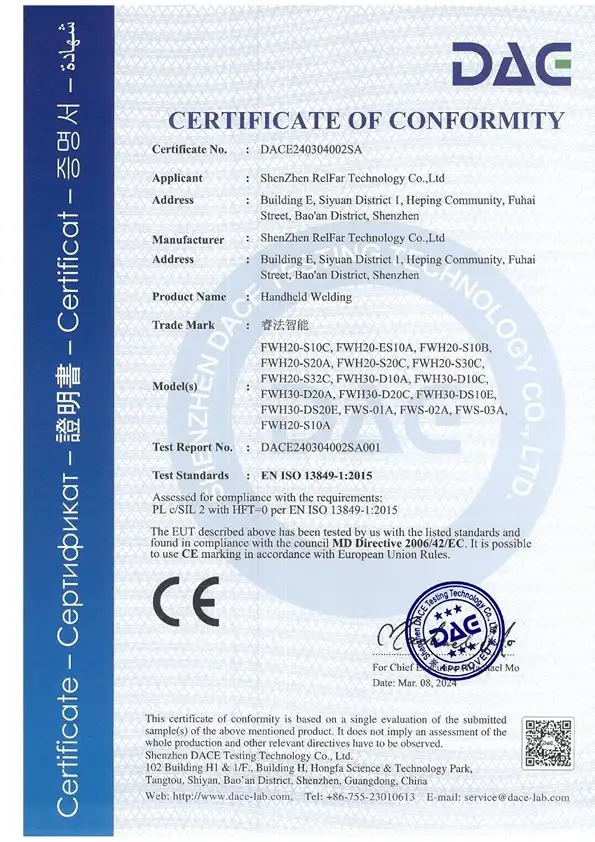
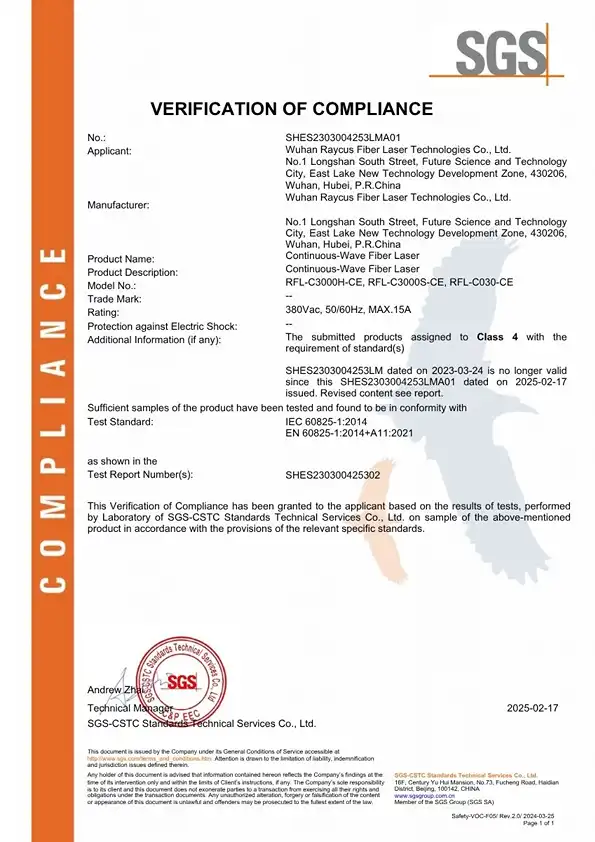
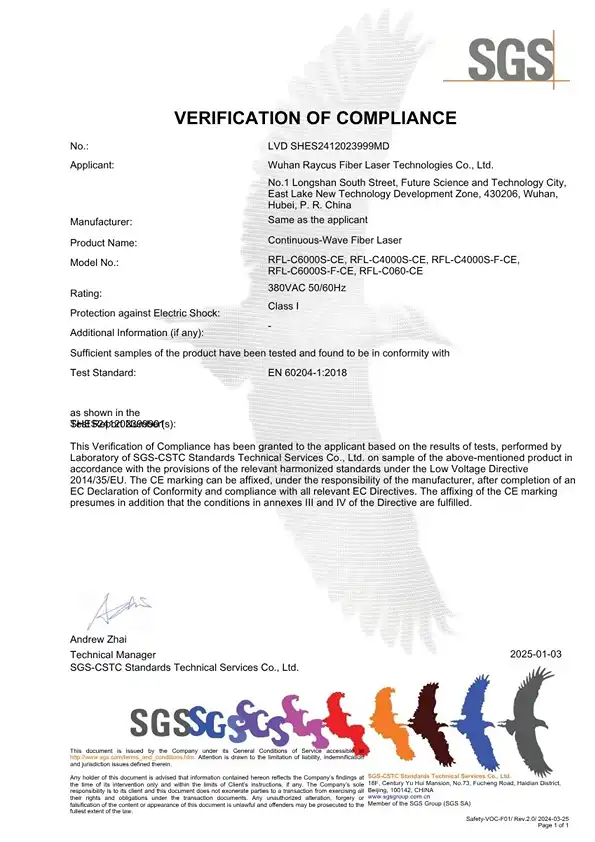
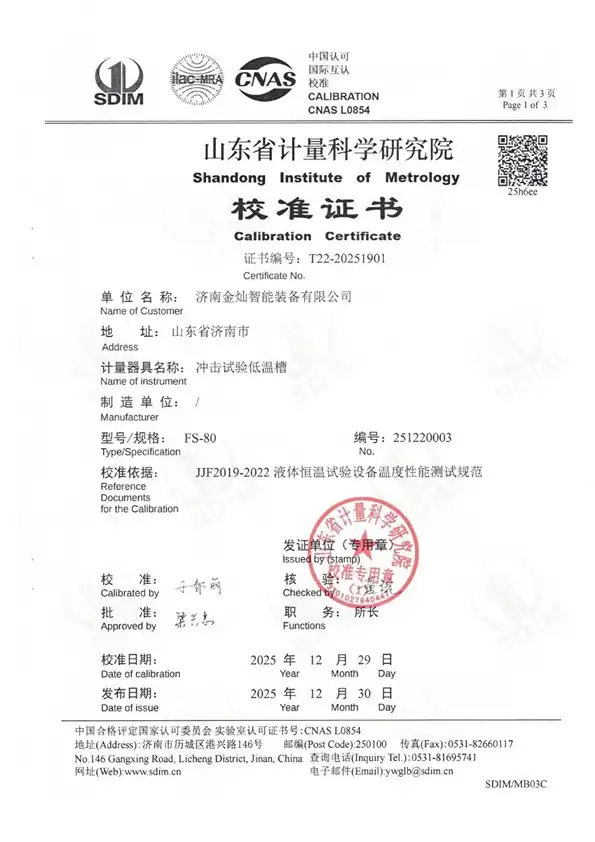
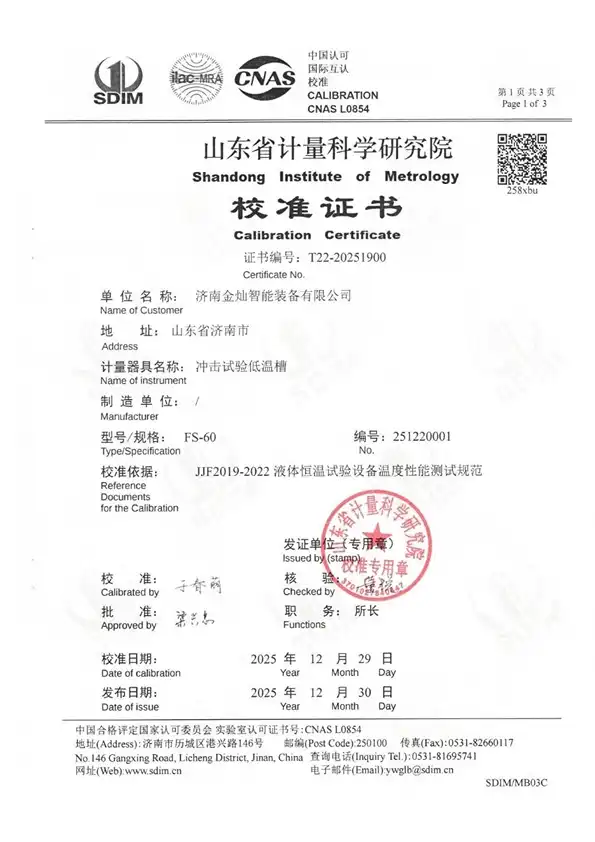
Certified to Global Leading Standards
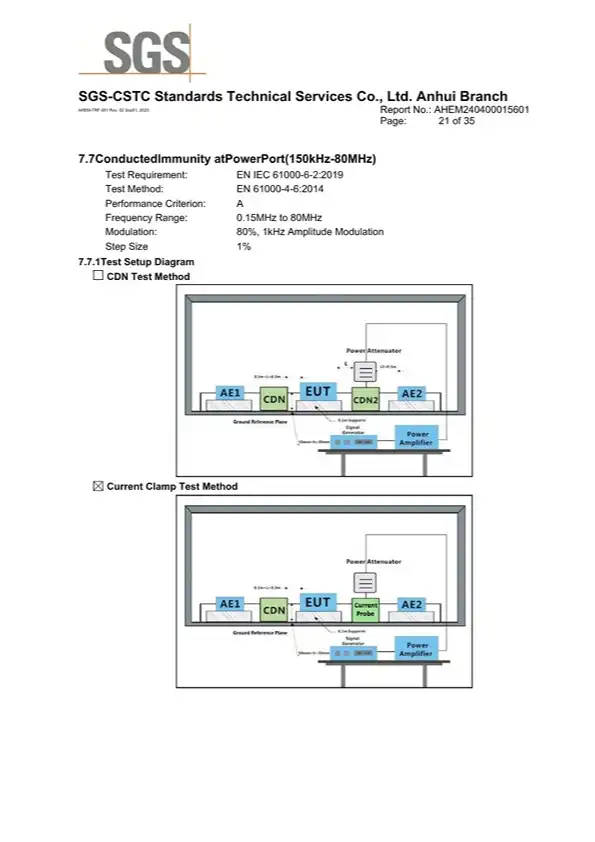
Reliability starts at the core. The key components that power our equipment—from the laser source to even the smallest electronic components—have all been certified to meet the world’s most stringent international standards.
GLOBAL PARTNERSHIPS
Trusted by Industry Leaders Worldwide
We take pride in powering the success of top-tier global manufacturers, research institutions, and industrial leaders. Our advanced laser and testing solutions are trusted worldwide to deliver uncompromising quality and peak performance.













FAQ
Q1: Can't we just test our ADAS sensors by mounting them on a test vehicle during winter?
Field testing is necessary, but it is unpredictable, slow, and unrepeatable.
A winter in Michigan won’t tell you how a sensor survives a summer in Dubai.
Environmental chambers allow you to compress 15 years of extreme, worst-case global weather data into a few weeks of standardized, repeatable, and highly accelerated laboratory testing.
Q2: What is the difference between Thermal Shock and Thermal Cycling?
Thermal Cycling (in a single-zone chamber) ramps the temperature up and down gradually (e.g., 5°C/min). It mimics normal environmental changes and is used for lifecycle testing.
Thermal Shock uses two separate hot/cold zones and a mechanical basket to transfer the product instantly (under 10 seconds). This forces maximum, violent expansion/contraction to expose structural weaknesses and solder flaws immediately.
Q3: How do we test if our LiDAR or Camera will fog up on the inside?
You utilize a Temperature & Humidity Climatic Chamber. By running a profile that holds high humidity at elevated temperatures, and then rapidly dropping the temperature below the dew point, you will instantly see if condensation forms on the internal optics.
Q4: We need to test an ADAS Domain Controller while it is powered on and running software. Is this possible?
Yes.
JCT chambers feature standard 50mm or 100mm silicone-sealed access ports. You can route your power cables, Ethernet, and CAN bus wires through these ports to your Hardware-in-the-Loop (HIL) simulator outside, allowing you to monitor the ECU’s logic while it freezes or bakes.
Q5: High-performance processors generate a lot of internal heat. Will this disrupt the chamber's temperature?
If your ECU generates 500 W of heat while running, the chamber must have a robust refrigeration system to actively extract that heat and maintain the target cold setpoint (e.g., -40°C). JCT engineers will calculate your live heat load to size the cascade compressors perfectly for your application.
Q6: We need to meet the ISO 16750-4 requirement for 15°C/minute temperature changes. Which machine does this?
For high-speed linear temperature changes, you require our Rapid Rate Thermal Cycling Chamber (also known as an Environmental Stress Screening / ESS chamber). These are equipped with oversized heating elements and massive cascade refrigeration systems to guarantee strict, fast ramp rates
Q7: What are the primary maintenance requirements for these environmental chambers?
You just regularly clean the condenser fins on the refrigeration unit , ensure the wet-bulb humidity wick is replaced periodically, and use purified/distilled water for the humidity generator to prevent mineral scale buildup
Q8: What is the ROI for an automotive Tier 1 supplier purchasing these chambers?
The ROI is massive and immediate. A single recall due to a failed solder joint or fogged camera lens can cost an OEM tens of millions of dollars and permanently destroy a Tier 1 supplier’s contract.
In-house testing allows for rapid R&D iteration, reduces third-party lab testing fees, and guarantees your components survive the warranty period.
Related Products
Get a Factory-Direct Custom Quote
Do not let CTE mismatch and condensation destroy your autonomous hardware in the field.
Tell our environmental engineering team about your testing requirements (e.g., ISO 16750, AEC-Q100),
the live heat load of your ECUs, and the temperature ramp rates you need.
We will recommend the exact JCT testing chamber to secure your OEM contracts, complete with a factory-direct quote within 12 hours.