
Flawless Laser Welding & Cleaning for Metal Doors
JCT offers a one-stop laser solution that produces high-strength, airtight welds on security doors, fire doors, and architectural steel doors. The processing speed is up to four times faster than traditional methods, ensuring a perfectly smooth surface that is ready for immediate painting.
The Fabrication Challenge
·Manufacturing security doors, fire-rated doors, and commercial steel frames involves joining large expanses of thin-gauge sheet metal (0.8mm to 2.0mm), often heavily galvanized for rust resistance. Traditional MIG and TIG welding introduce fatal production bottlenecks
Massive Thermal Distortion on Door Panels
A metal door relies on perfectly flat, parallel surfaces to function properly and look premium. Arc welding transfers immense, uncontrolled heat into the door skin. Because the large, thin metal sheet cannot dissipate the heat evenly, it violently buckles and warps. Fabricators are forced to spend hours using mechanical presses or flame-straightening techniques just to make the door visually flat enough to sell.
Galvanized Steel Porosity (Zinc Outgassing)
Security and outdoor doors heavily utilize galvanized (zinc-coated) steel. Zinc vaporizes at roughly 900°C, while steel melts at 1500°C. When a traditional welding arc hits the joint, the zinc trapped beneath the molten steel instantly boils into gas, creating severe porosity (holes) and structural weakness in the weld bead, compromising the door’s security rating.
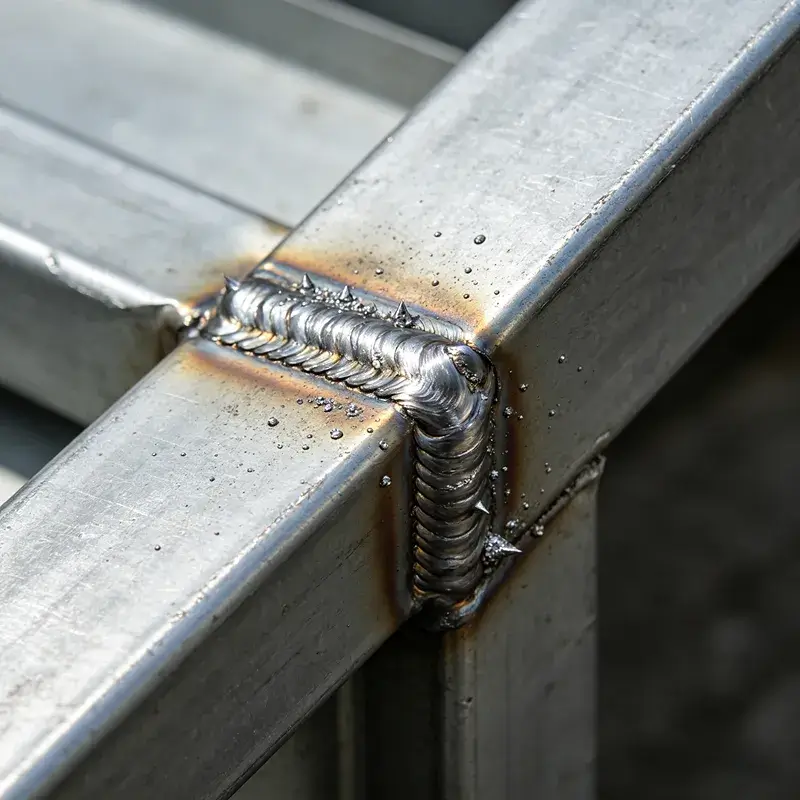
The Corner Grinding affect
The 45-degree mitered corners of door frames are critical for aesthetics. MIG welding leaves a large, bulky crown covered in spatter. Workers must aggressively grind these corners flat using abrasive wheels. This not only destroys the galvanized coating (inviting rust) but often leads to over-grinding, thinning out the frame corner and ruining the sharp, crisp architectural lines.
Why Metal DOOR&WINDOW Need laser welding?
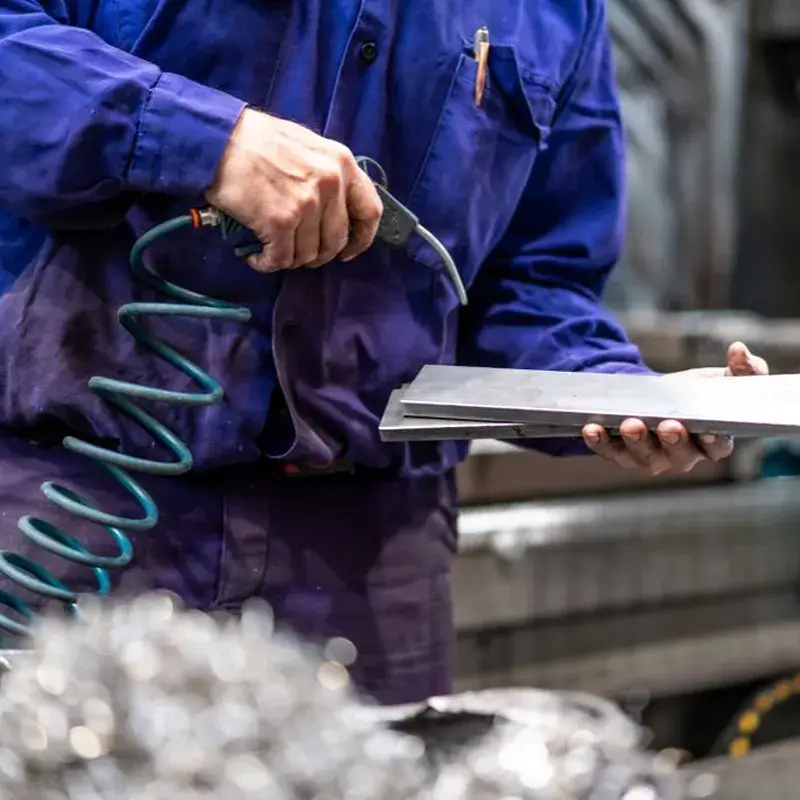
Pre-Weld Zinc Ablation (Surface Prep)
To solve the zinc outgassing problem on galvanized sheets, operators use the JCT cleaning mode. A quick pass of the laser vaporizes the exact width of the zinc coating solely along the weld seam. This leaves the surrounding protective galvanization intact while providing a perfectly pure bare-steel track for a high-strength, porosity-free weld
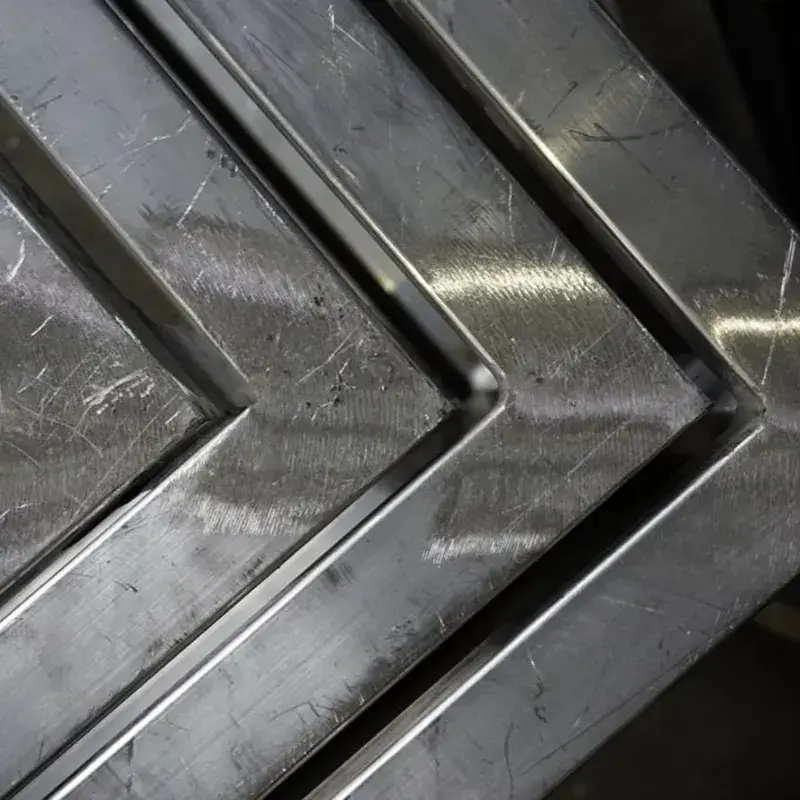
Low-Heat Keyhole Welding (Zero Spatter)
Switch to welding mode to join the door skins to the honeycomb core or weld the 45-degree frame corners. The CW laser penetrates instantly, traveling up to 4x faster than MIG. The incredibly localized heat input eliminates warping on the large flat door surfaces. The resulting corner weld is so flush and precise that it preserves the crisp architectural lines of the frame
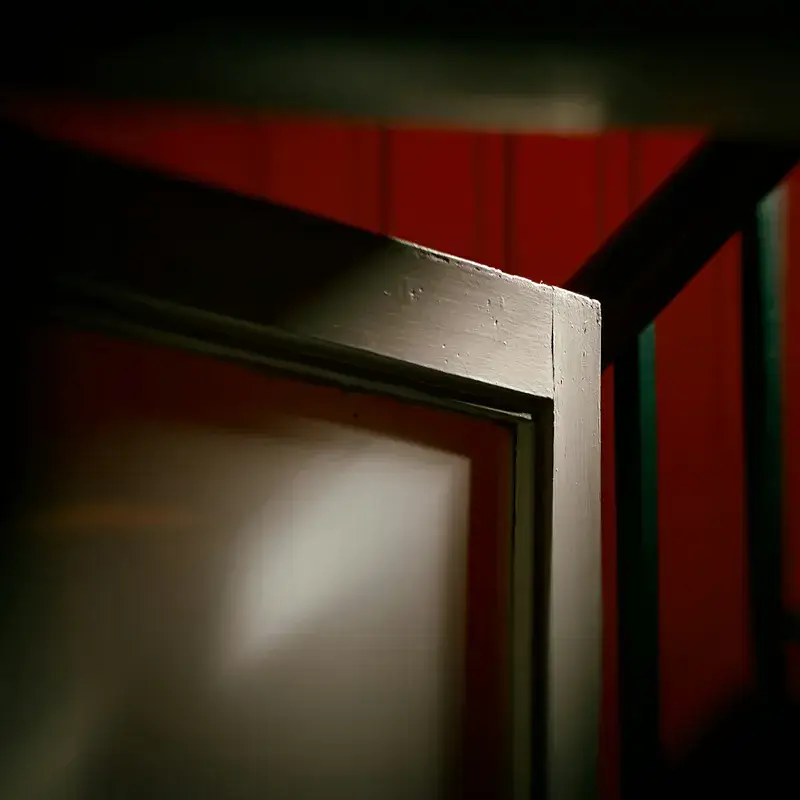
Instant Surface Prep for Powder Coating
If any dark oxidation or minor heat tint remains on the welded corners, switch back to cleaning mode. The laser vaporizes the oxidation instantly. The door frame can immediately be moved to the powder coating line, bypassing the loud, dusty, and destructive angle-grinding stations completely.
Laser Solutions for metal Door Manufacturers
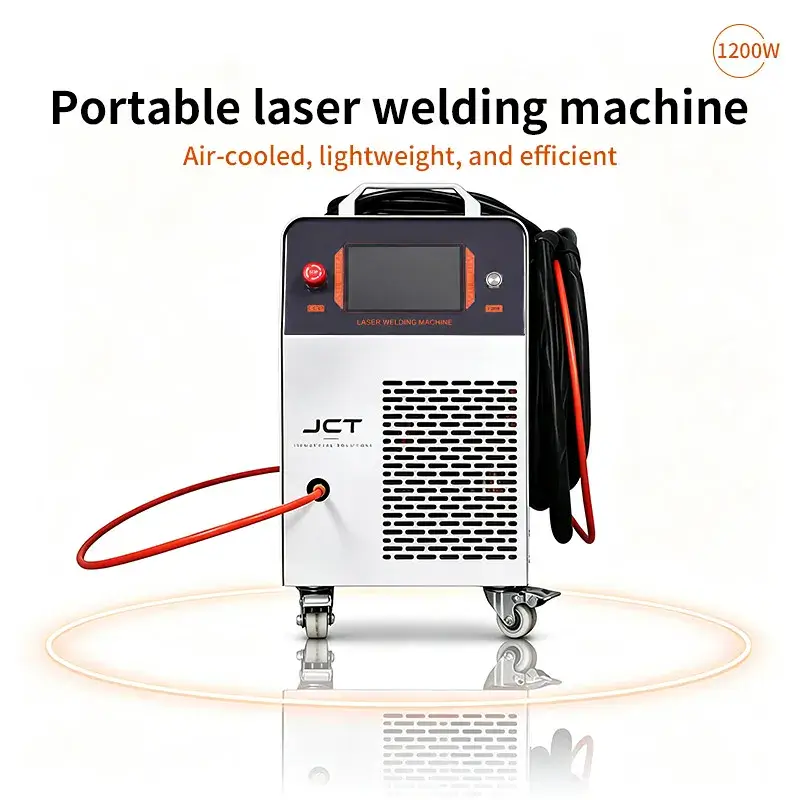
Custom architectural doors, 45-degree frame corners, and specialized security hardware integration.
It’s an ultimate versatile tool for custom door shops. It allows operators to effortlessly weld flush mitered corners without causing heavy spatter. The instant cleaning mode allows fabricators to locally strip zinc before welding and instantly clean oxidation afterward, cutting corner grinding time by 80%.

High-volume production of standardized fire doors, security door skins, and continuous internal stiffener welding.
Integrates our continuous wave (CW) lasers with large-gantry 6-axis robotics for relentless mass production. It delivers flawless, continuous joints along 2-meter door panels with strictly controlled heat input, guaranteeing zero warping and eliminating the need for post-weld panel presses.
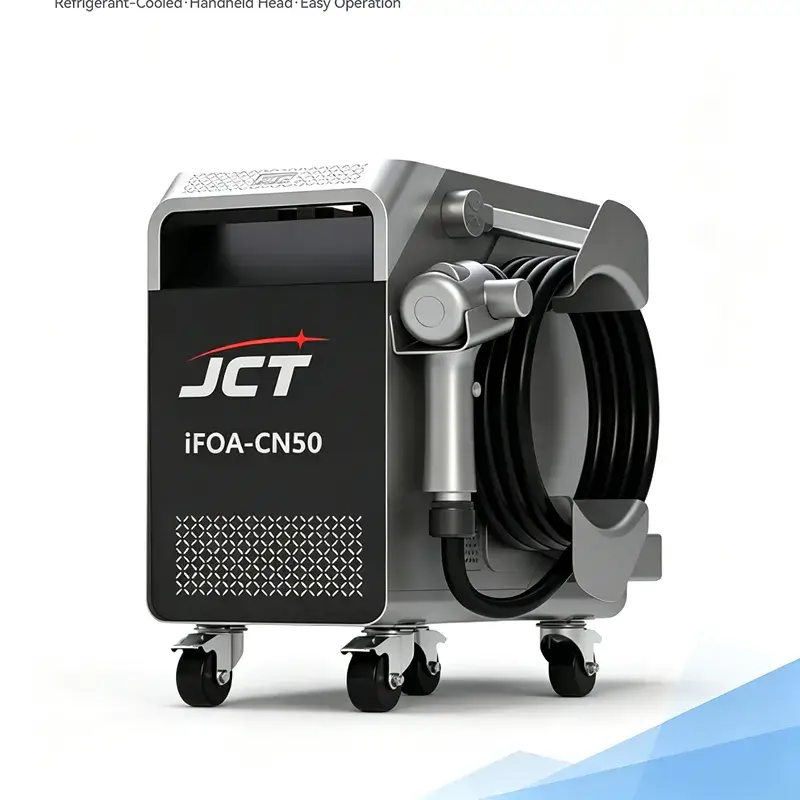
Pre-weld zinc ablation on galvanized sheets and restoring aged, rusted steel stock.
Using nanosecond pulses to cleanly blast away the zinc layer exactly along the weld track, or to remove deep storage rust from thick steel plates. It provides a purely metallic substrate for critical fire-rated structural welds without thinning out the base material.
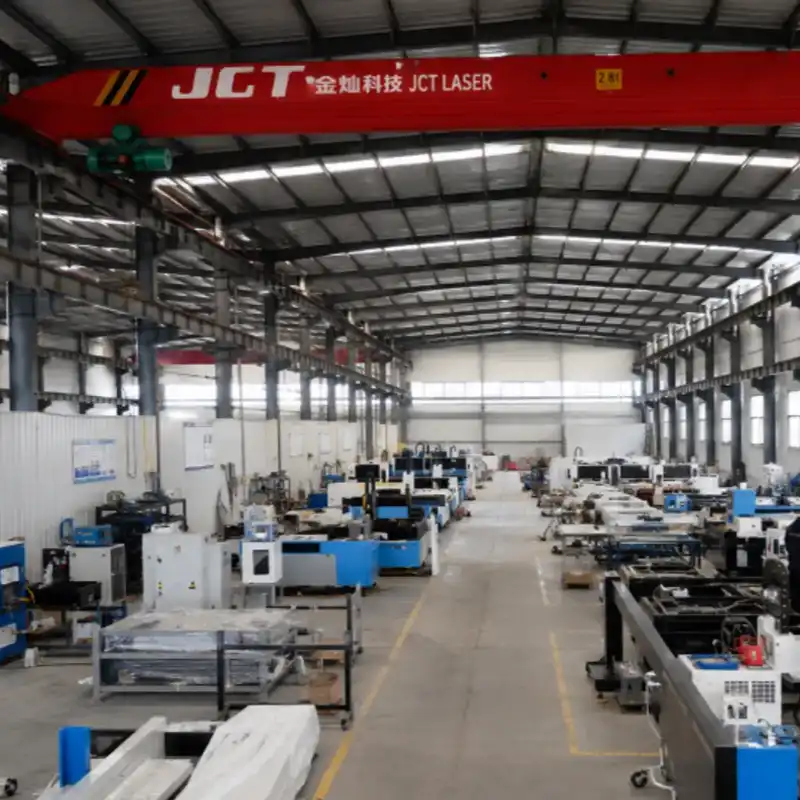
WHO WE ARE?
Manufacturingthe Future of Laser Fabrication & Quality Control.
With over 10 years of industry expertise, we have grown into a trusted source for industrial laser welding & fabrication processing systems and precision environmental testing equipment.
At JCT, we not only build machines; but also build reliability.
From rapid metal fabrication to simulating extreme -40°C climates for your material testing,we ensure every set of equipment meets strict global standards.
We are committed to accelerating your R&D cycles and safeguarding your brand’s reputation with robust, factory-direct solutions.
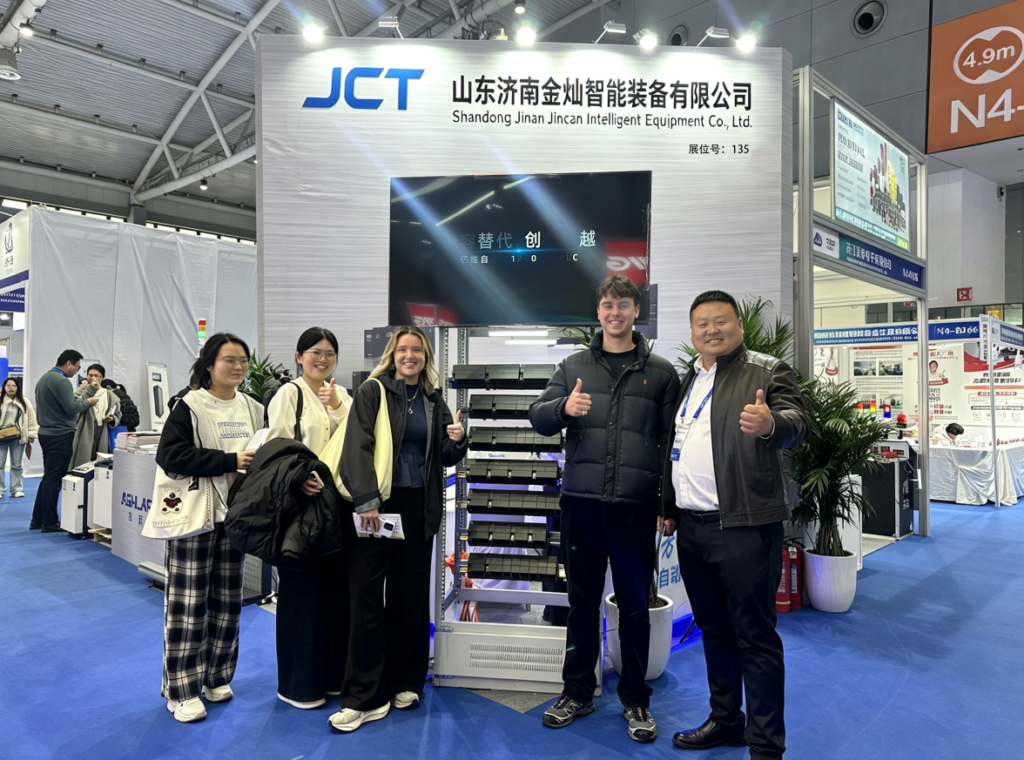
PREMIUM COMPONENTS ASSURANCE
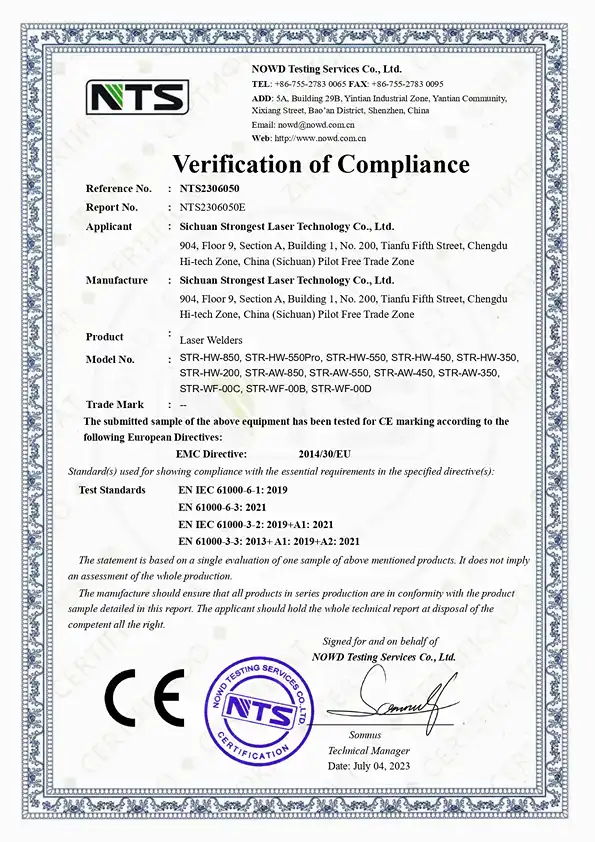
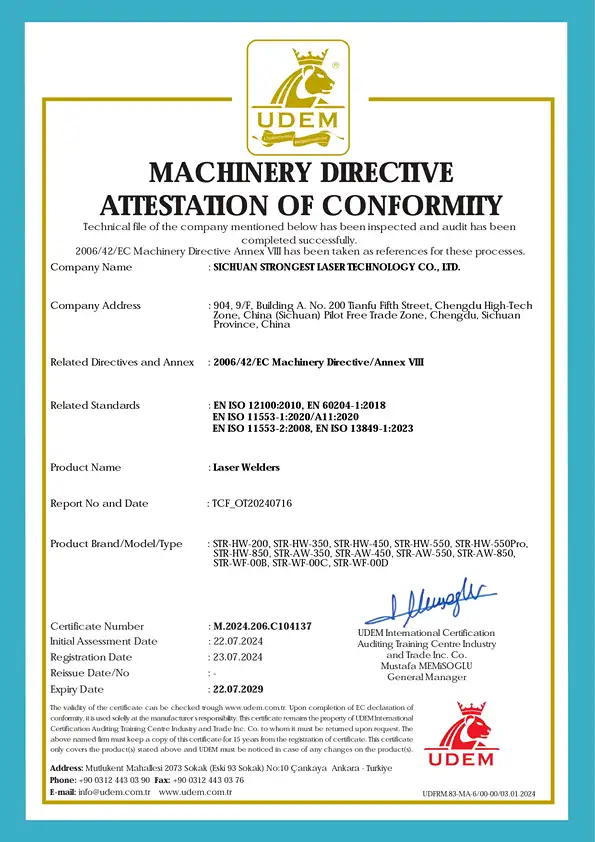
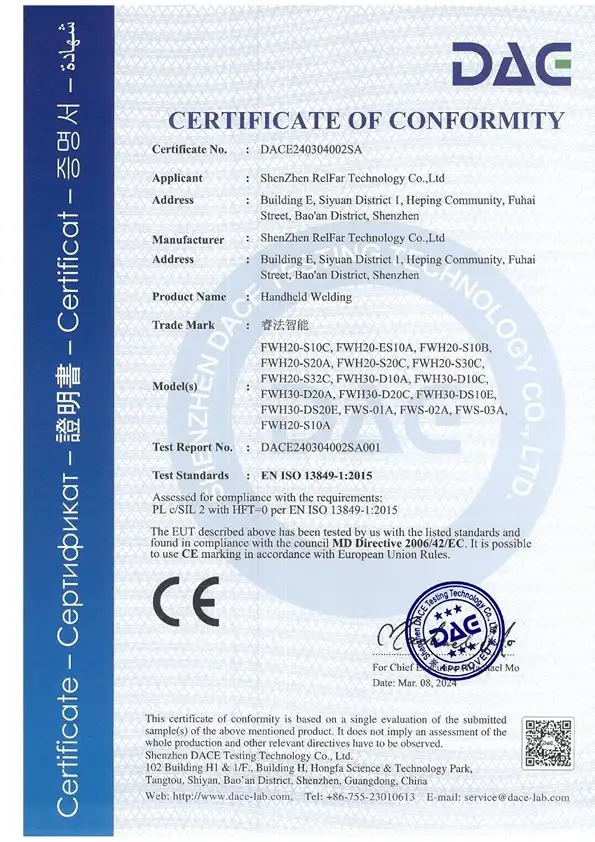
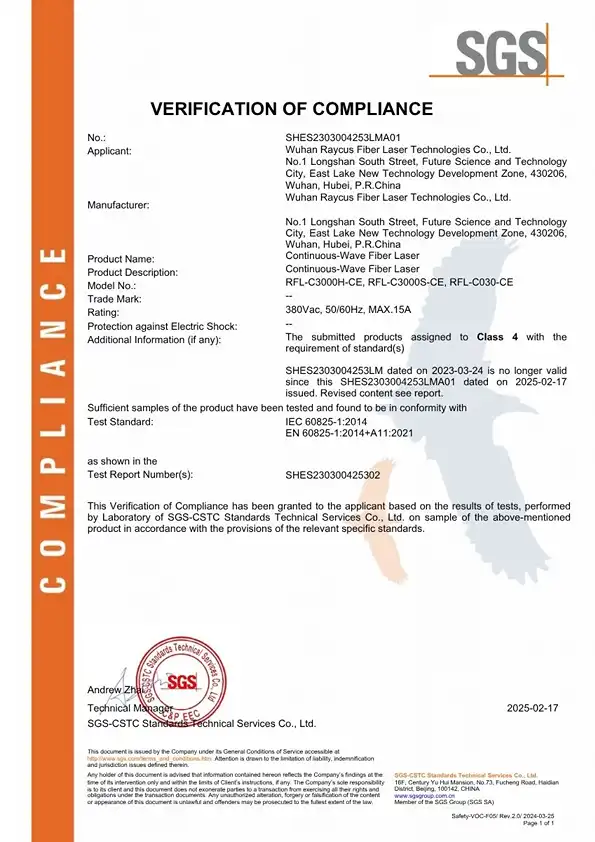
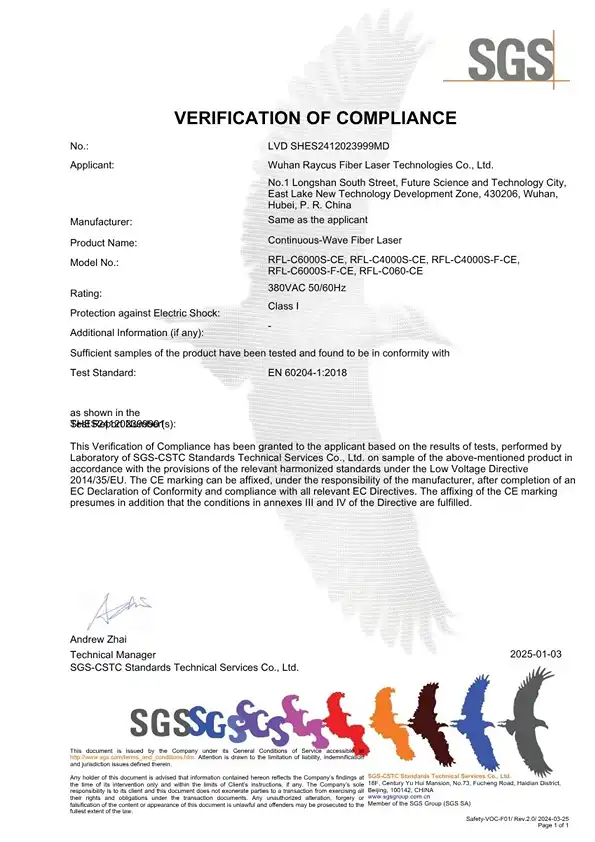
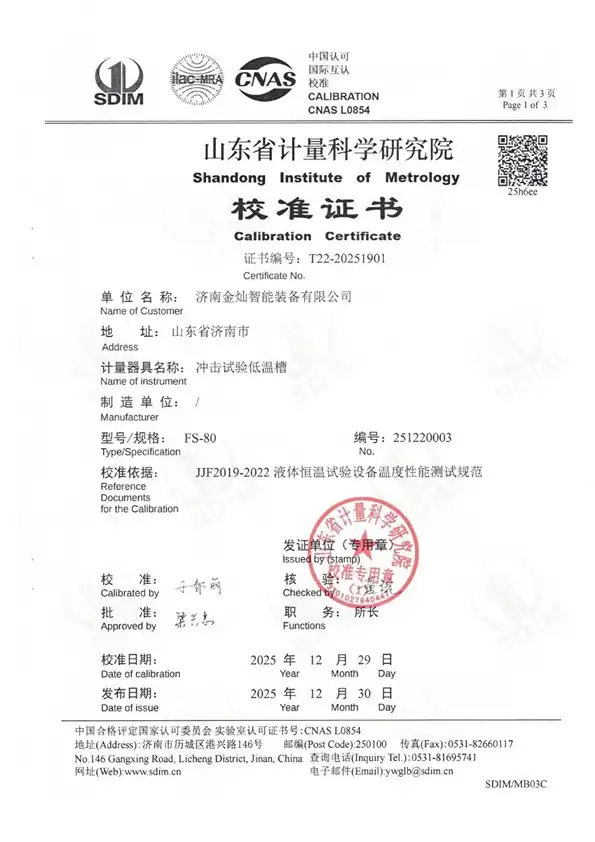
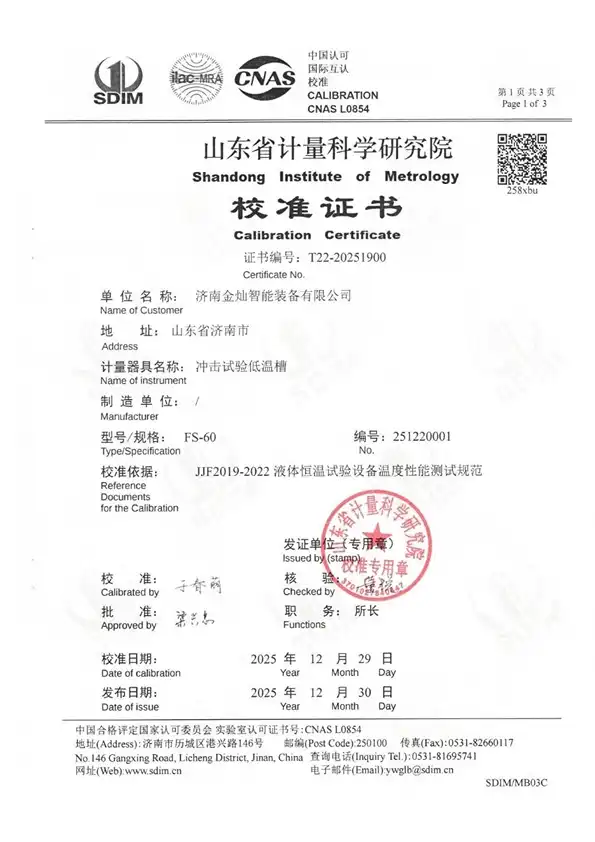
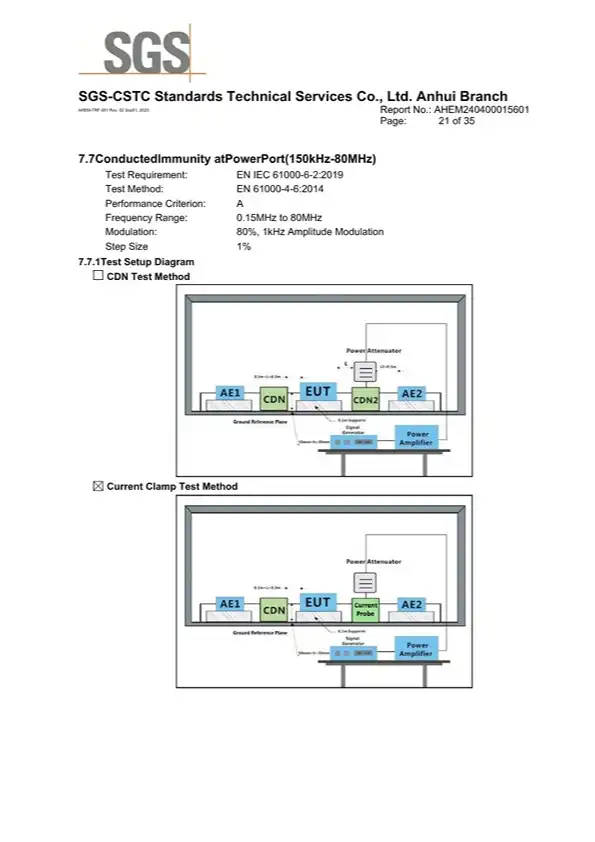
Certified to Global Leading Standards
Reliability starts at the core. The key components that power our equipment—from the laser source to even the smallest electronic components—have all been certified to meet the world’s most stringent international standards.
GLOBAL PARTNERSHIPS
Trusted by Industry Leaders Worldwide
We take pride in powering the success of top-tier global manufacturers, research institutions, and industrial leaders. Our advanced laser and testing solutions are trusted worldwide to deliver uncompromising quality and peak performance.












FAQ
Q1: We weld 1.2mm door skins to internal frames, and the heat warping is terrible. Will a laser fix this?
Yes, absolutely.
Arc welding produces the large flat door skin with heat, causing violent expansion. Fiber lasers melt a microscopic spot instantly, and the metal cools before the heat can travel. The Heat Affected Zone (HAZ) is incredibly narrow, guaranteeing your 1.2mm door panels remain perfectly flat and dimensionally stable
Q2: We struggle with massive porosity when MIG welding galvanized steel frames. Does laser welding solve this?
Yes.
Galvanized steel porosity is caused by trapped zinc vapor. JCT lasers utilize a high-frequency “wobble” welding head that oscillates the beam. This can stir the weld pool and allow the zinc vapors to safely exhaust before the steel freezes,so that it will result in dense, high-strength, porosity-free joints.
Q3: We waste hours grinding the 45-degree mitered corners of our door frames flat. Can laser eliminate this?
Laser welding produces an incredibly smooth, narrow, and spatter-free bead. On tightly fit 45-degree frame corners, the weld is often flush enough that it requires zero heavy grinding. Even though a slight bead is formed with filler wire, polishing time is reduced by over 80% compared to a bulky MIG weld.
Q4: If our sheet metal bending isn't perfect and leaves a gap at the door corner, can the laser still weld it?
Yes.
Our welders have Paired with the laser’s oscillation function, your operators can effortlessly bridge stamping imperfections or bending gaps up to 1.5mm while maintaining absolute structural strength for security ratings
Q5: Can we use the laser to clean off the zinc coating just where we need to weld?
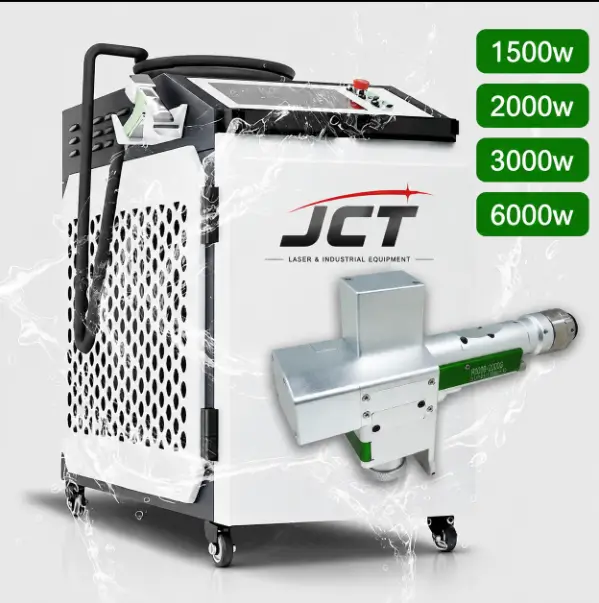
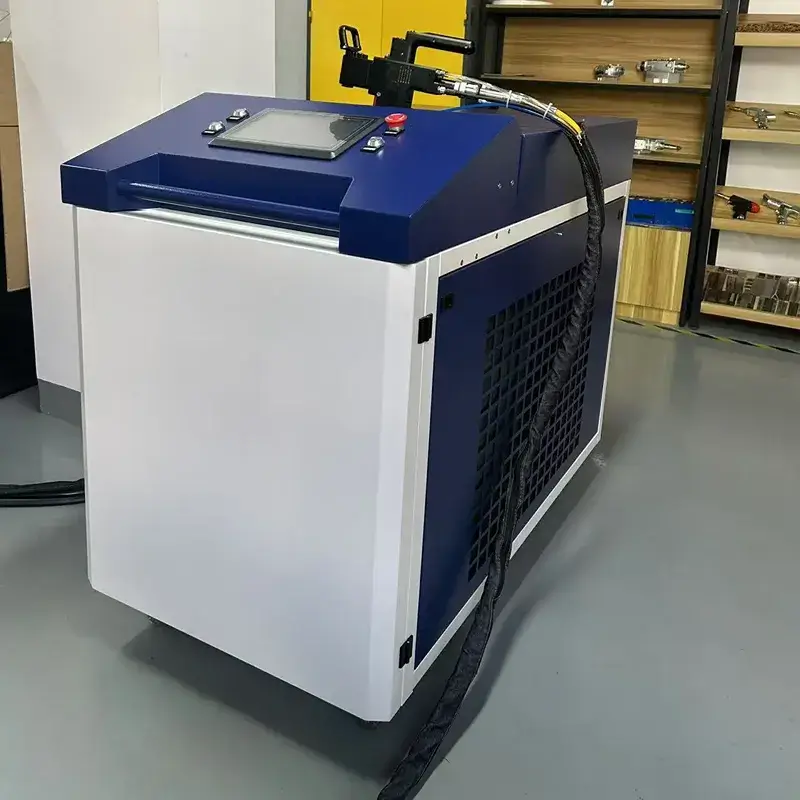
Exactly. The 3-in-1 handheld system switches to “Cleaning Mode” instantly. You can perform a quick pass over the joint edge to ablate the zinc layer specifically for along the weld track. This prevents zinc contamination in the weld pool while keeping the rest part of the door’s rust-preventative galvanization completely great.
Q6: What type of shielding gas is best for laser welding steel doors?
For carbon steel and galvanized steel door frames, Nitrogen or an Argon/CO2 mix is typically used .Because it is highly cost-effective and provides excellent weld quality.
Q7: How difficult is it to train our existing assembly workers to use a handheld laser?
Because the machine controls the heat input, penetration depth, and wire feed rate, the operator relies purely on guiding the nozzle smoothly. An entry-level assembler with zero prior welding experience can learn to produce flawless, flush door corners in less than an hour of training.
Q8: Are laser welds strong enough to pass UL 10C fire door and EN 1627 burglar tests?
Yes.
Laser keyhole welding achieves full, deep penetration. The resulting metallurgical bond is incredibly dense and often stronger than the base steel itself. Our clients routinely pass aggressive furnace endurance testing and heavy mechanical impact testing by using our JCT laser-welded frames and skins.
Q9: What safety setup is required in our door assembly factory?
As Class 4 lasers, you must establish an enclosed welding booth using laser-safe curtains or panels to block invisible scattered light from the rest of the shop floor. The operator must wear the provided wavelength-specific safety goggles and standard protective clothing.
Q10: What is the ROI timeline for a security or fire door manufacturer?
Most door manufacturers see a full ROI within 4 to 7 months.
This rapid payback is driven by welding 4x faster, completely eliminating the labor bottleneck of grinding frame corners, eliminating the need to press warped door panels, and massively reducing scrap caused by zinc porosity blowouts.
Related Products
Get a Factory-Direct Custom Quote
Stop wasting labor on pressing warped panels and grinding MIG spatter off galvanized frames.
Tell our application engineers about your specific door materials (e.g., galvanized steel, stainless), thicknesses, and production volume. We will recommend the exact JCT laser configuration to upgrade your assembly line, complete with a direct factory quote within 12 hours.