
5 Key Factors in Selecting
Temperature, Humidity, Thermal Shock, and Salt Spray Test Chambers
Procuring an industrial environmental test chamber is a critical engineering milestone for any R&D laboratory, quality assurance department, or manufacturing plant. A common pitfall in equipment selection is relying on superficial, generic catalog specs while ignoring how specific testing profiles interact with your product portfolio. Whether you are validating consumer electronics, automotive components, or aerospace materials, selecting the correct equipment requires evaluating more than just nominal temperature limits. If your engineering team is preparing to invest in testing infrastructure, here are the 7 key factors you must analyze to choose the right chamber across pure temperature, humidity, thermal shock, and corrosion testing series.
1. Match Your Thermal requirements:
High-Temperature vs High-Low Temperature Chambers
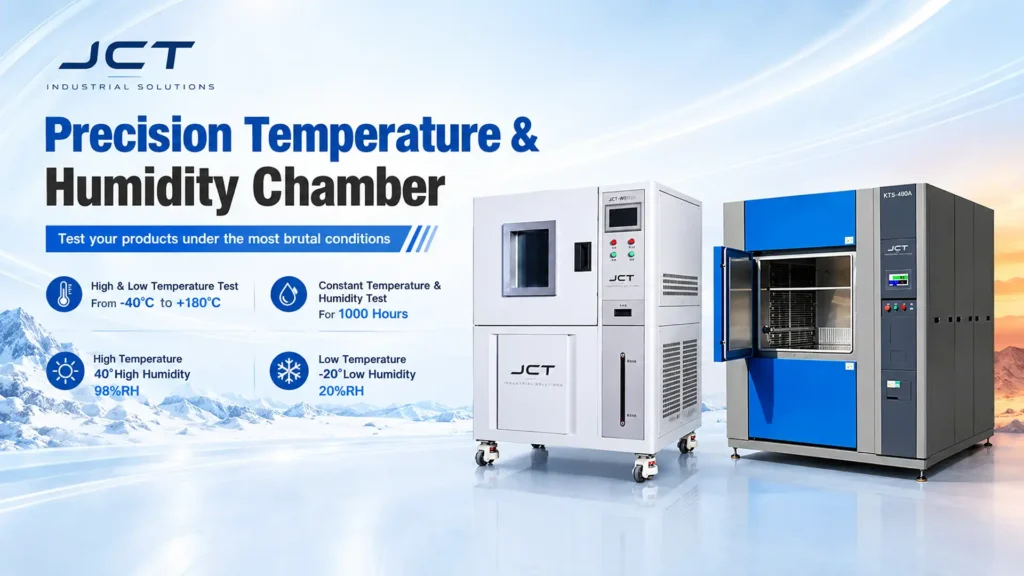
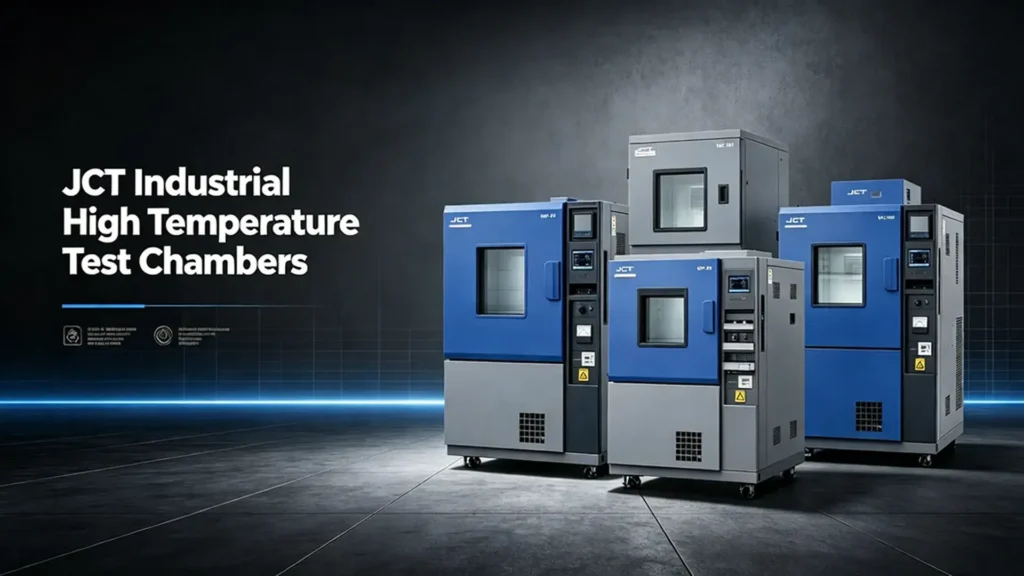
For basic baking, aging, and thermal stability checks, dedicated High-Temperature chambers provide uniform dry-heat environments up to 300°C. For broader thermal stress screening, Thermal test Chambers deliver stable transitions across wide cryogenic and elevated thresholds, ensuring materials withstand temperature shifts without structural warping.
2. Whether Control humidity Integrity:
Constant Temperature & Humidity vs hIGH-LOW Temperature & Humidity CHAMBER
Moisture is a primary factor for corrosion, electrical leakage, and package delamination. Controlling humidity requires balancing precise dew points and preventing condensation loops.
Engineering Argument: For stable damp-heat storage or basic moisture resistance checks, Constant Temperature and Humidity Test Chambers maintain steady baseline condition,(such as dual-85 tests), meanwhile Temperature and Humidity CYCLING Test Chambers utilize advanced steam generation and precise psychrometric control to simulate Instantaneous, Linear Temperature Change environments.
3. Simulate Extreme Stress:
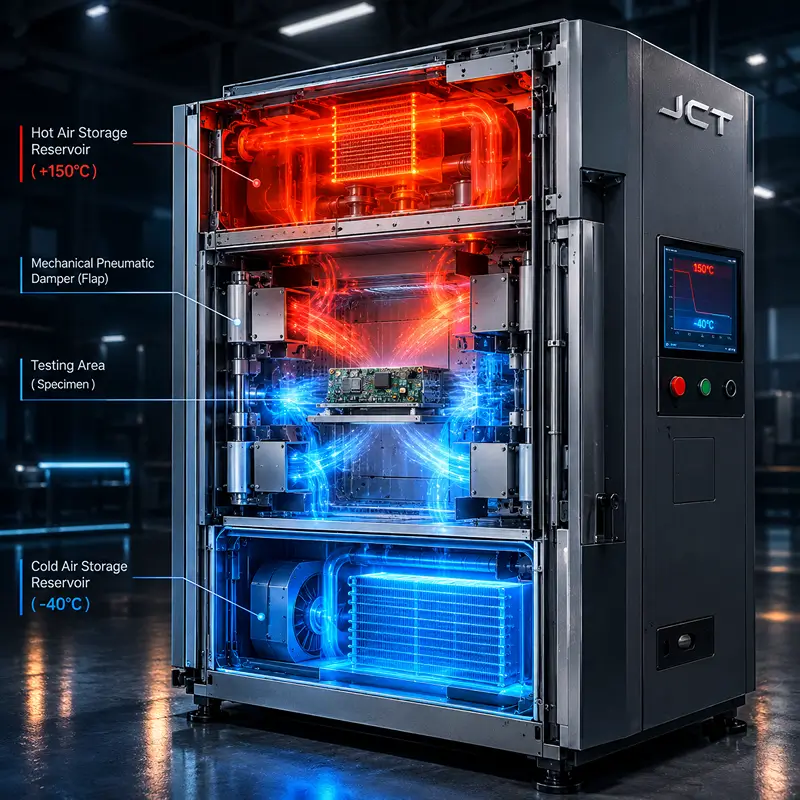
Thermal Shock VS Rapid Rate Temperature Change System
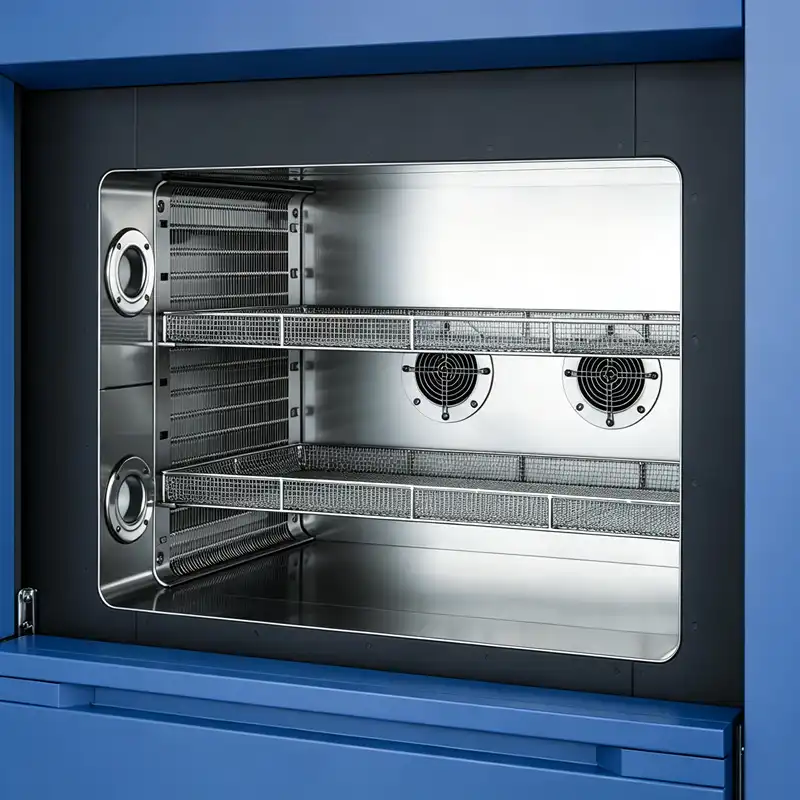
When testing solder joint fatigue or ceramic microchips under aggressive shocks, Thermal Shock Test Chambers utilize multi-zone damper mechanisms to slam samples between extreme hot and cold zones within seconds. For controlled, linear thermal stress profiles mandated by aerospace standards, Rapid Rate Thermal Chambers deploy high-capacity compressors and optimized PID heating algorithms to achieve aggressive ramp velocities (5°C/min to 15°C/min).
4. Combat Environmental Decay:
Salt Spray Corrosion Testing Series
Atmospheric degradation in coastal or industrial regions destroys unprotected metallic coatings and fasteners prematurely.
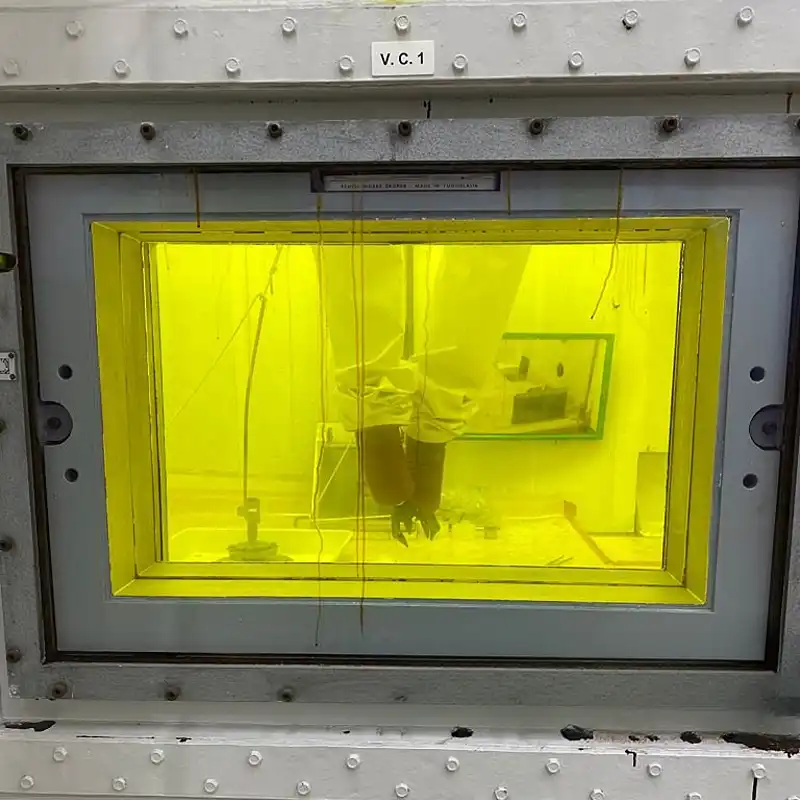
To evaluate anti-corrosion performance, plating integrity, and protective paint adhesion, Salt Spray Test Chambers atomize saline solutions into controlled fog cabinets, creating accelerated marine or acidic corrosive environments to uncover metallurgical weaknesses before field deployment.
5.Understanding Thermal-Humidity Cross-Coupling
A critical blind spot in chamber selection is ignoring cross-coupling effects during extreme high-humidity and high-temperature profiling. Engineering Argument: When operating at aggressive profiles (e.g., 85°C and 85% RH), substandard air distribution leads to inner-wall condensation and localized thermal gradients. Ensure your chosen chamber features balanced airflow fluid dynamics and robust insulation to prevent condensation dripping onto delicate specimens.
Conclusion
Selecting the ideal environmental test chamber requires a rigorous, multi-faceted engineering review covering pure temperature, humidity, thermal shock, and corrosion testing series.
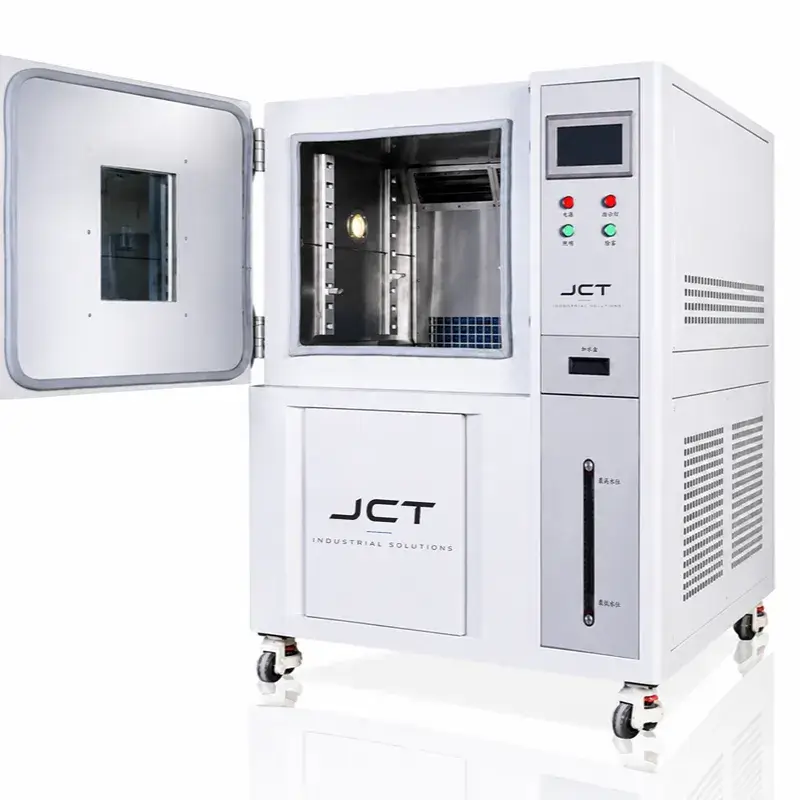
By systematically evaluating your testing standards and infrastructure, your laboratory ensures flawless data reliability and long-term capital efficiency. If you still don’t know how to choose the right model among high-temperature, constant humidity, thermal shock, or salt spray test chambers for your specific testing requirements, exploring direct-factory engineering solutions from specialized providers like JCT offers a transparent pathway to custom configuration, robust component selection, and direct wholesale reliability.